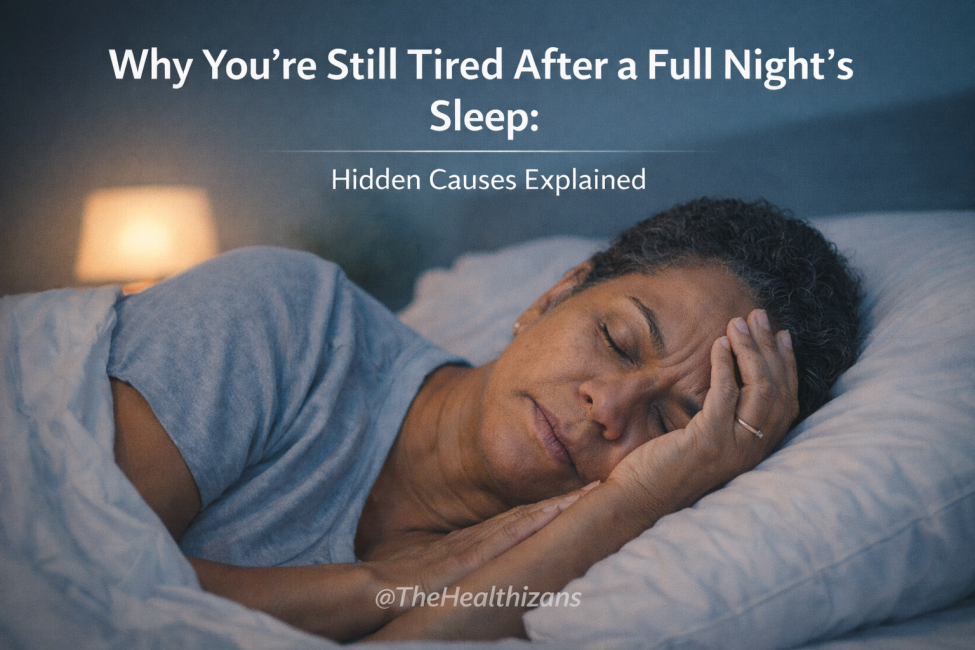
Waking up exhausted after what should have been a “good” night’s sleep can be deeply frustrating. You went to bed on time, slept for seven or eight hours, yet you still feel foggy, drained, or unmotivated the next day. For many people, this becomes so familiar that it starts to feel normal.
It isn’t.
Persistent tiredness despite adequate sleep is often a sign that something is disrupting sleep quality or underlying health, even if sleep duration looks fine on paper. Understanding the possible causes is the first step towards feeling genuinely rested again.
When Enough Sleep Still Isn’t Restorative
Sleep isn’t just about hours. It’s about quality, depth, and continuity. The body needs to cycle through different sleep stages—light sleep, deep sleep, and REM sleep—to support physical repair, memory, mood, and energy regulation.
If these stages are repeatedly interrupted, you may wake up technically “well slept,” but biologically under-rested.
Hidden Reasons You May Still Feel Tired
1. Sleep Apnoea and Night-Time Breathing Problems
One of the most common and underdiagnosed causes of unrefreshing sleep is sleep apnoea. This condition causes repeated pauses in breathing during sleep, briefly waking the brain each time.
You may not remember waking up, but your body does. Oxygen levels drop, stress hormones rise, and deep sleep is repeatedly interrupted.
👉 We explore this in detail in our article What Is Sleep Apnoea? Causes, Symptoms, and Treatment Options, including who is most at risk and how it’s diagnosed.
2. Poor Sleep Quality (Even Without a Disorder)
Not everyone with unrefreshing sleep has a medical diagnosis. Fragmented sleep caused by noise, light, irregular schedules, or frequent awakenings can significantly reduce sleep quality.
Late-night screen use, inconsistent bedtimes, or working shifts that disrupt the body clock can all prevent the brain from reaching deeper sleep stages—even if total sleep time seems adequate.
3. Stress, Anxiety, and an Overactive Mind
Mental load matters. Chronic stress and anxiety keep the nervous system in a heightened state of alertness, making it harder to achieve restorative sleep.
You may fall asleep quickly but spend the night in lighter sleep stages. This often leads to waking up tired, tense, or mentally drained rather than refreshed.
4. Low Iron, Vitamin Deficiencies, or Hormonal Changes
Fatigue that persists despite sleep can sometimes reflect underlying physical imbalances. Low iron levels, vitamin B12 deficiency, vitamin D deficiency, or thyroid dysfunction can all reduce energy levels regardless of sleep duration.
Hormonal transitions—such as perimenopause and menopause—can also affect sleep architecture, leading to lighter, less restorative sleep.
5. Blood Sugar Fluctuations at Night
Night-time blood sugar dips or spikes can trigger micro-awakenings that disrupt sleep without fully waking you. This is particularly relevant for people with insulin resistance, type 2 diabetes, or irregular eating patterns late in the evening.
Morning fatigue, headaches, or feeling shaky on waking can sometimes be subtle clues.
6. Depression and Low Mood
Depression doesn’t always present as sadness. In many cases, the most prominent symptom is persistent tiredness.
People with depression may sleep longer than usual but still wake feeling exhausted. Sleep may lack depth, and the normal restorative processes of sleep are often impaired.
Why This Matters for Long-Term Health
Chronic fatigue isn’t just inconvenient. When unrefreshing sleep becomes ongoing, it can affect concentration, emotional regulation, immune function, and metabolic health.
Health organisations such as the NHS and the World Health Organization recognise poor sleep quality as a significant contributor to cardiovascular disease, mental health conditions, and reduced quality of life.
When to Seek Help
Occasional tired mornings are normal. But it’s worth speaking to a healthcare professional if:
- You feel exhausted most days despite sleeping 7–8 hours
- Fatigue is affecting work, mood, or safety
- You snore loudly, wake gasping, or feel sleepy during the day
- Tiredness persists for weeks or months
Identifying the cause early can make a significant difference.
Small Steps That May Help (While You Investigate)
While underlying causes need proper assessment, some supportive steps can help improve sleep quality:
- Keep a consistent sleep and wake time
- Reduce alcohol close to bedtime
- Limit screens in the hour before sleep
- Get daylight exposure early in the day
- Avoid heavy meals late at night
These won’t fix everything—but they often reduce the background “noise” that worsens fatigue.
Final Thoughts
Feeling tired all the time is not something you should simply accept. When sleep doesn’t refresh you, it’s often your body’s way of signalling that something deeper needs attention.
Whether the cause is sleep apnoea, stress, hormonal change, or another hidden factor, understanding the reason puts you back in control.
💬 What’s Your Take?
Do you wake up tired even after a full night’s sleep? Or did one of these causes surprise you? Share your thoughts below—your experience might help someone else feel less alone.
📚 Sources
- NHS – Tiredness and fatigue overview
- NHS – Sleep and insomnia guidance
- World Health Organization – Sleep, health, and wellbeing
- American Academy of Sleep Medicine – Sleep disorders and daytime fatigue
About the Author