Waking up with a serious headache can instantly affect how your day starts. For some people, it fades after breakfast or a shower. For others, it becomes a recurring problem that affects concentration, mood, and overall quality of life.
Morning headaches are rarely random. In most cases, they are linked to what happens during sleep, how your body responds overnight, or subtle health issues that often go unnoticed. Understanding these triggers is key to preventing them.
What Makes Morning Headaches Different?
Morning headaches tend to have recognisable patterns. They usually:
- Begin immediately on waking
- Feel like pressure, tightness, or throbbing
- Occur repeatedly over several days or weeks
- Improve or worsen depending on hydration, movement, or caffeine intake
These patterns help distinguish them from headaches that develop later in the day.
The Most Common Causes of Morning Headaches
Poor Sleep Quality and Sleep Disorders
Restorative sleep is essential for brain recovery. When sleep is disrupted, headaches are more likely.
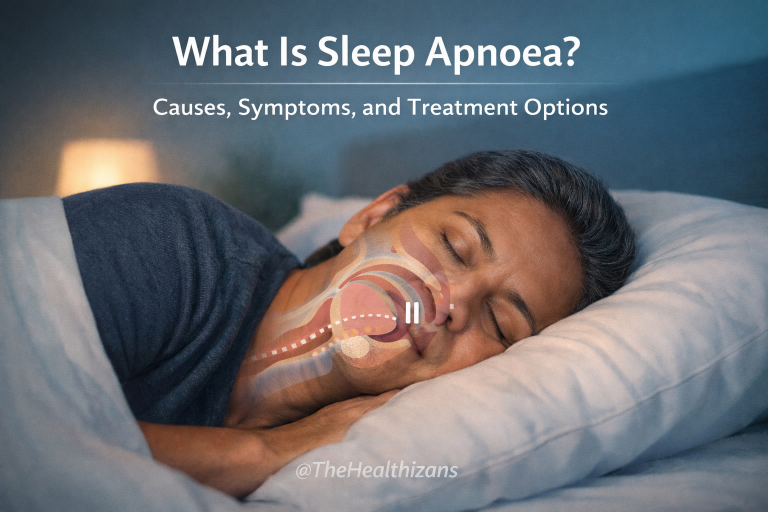
One of the most overlooked causes is sleep apnoea, a condition where breathing repeatedly stops and starts during sleep. Reduced oxygen levels and fragmented sleep can trigger headaches on waking, often alongside loud snoring, dry mouth, and persistent daytime tiredness.
👉 You may find it helpful to also read our article on What Is Sleep Apnoea? Causes, Symptoms, and Treatment Options, which explores this in more depth.
Teeth Grinding and Jaw Clenching (Bruxism)
Many people clench or grind their teeth at night without realising it.
Over time, this places strain on the jaw and temple muscles, leading to morning headaches that feel tight or pressure-like. Jaw stiffness, facial soreness, or tooth sensitivity on waking are common clues.
Dehydration Overnight
Going several hours without fluids can be enough to trigger a headache—especially if you slept in a warm room, consumed alcohol, or ate salty foods the night before.
Dehydration-related headaches are often dull or throbbing and tend to improve shortly after drinking water.
Stress and Tension Headaches
Stress does not disappear when you fall asleep. Ongoing mental strain, anxiety, or prolonged screen use can lead to muscle tension that builds overnight, particularly in the neck and shoulders.
Poor sleeping posture or inadequate pillow support can worsen this, resulting in a tight, band-like headache on waking.
Blood Pressure Changes in the Early Morning
Blood pressure naturally rises in the early hours of the morning. In some people—especially those with undiagnosed or poorly controlled high blood pressure—this rise can trigger morning headaches.
These headaches may feel heavy, pounding, or recur frequently, particularly at the back of the head.
Medication or Caffeine Withdrawal
If your body is used to certain substances, the overnight gap can cause withdrawal-related headaches.
This is commonly seen with:
- Regular use of painkillers (leading to rebound headaches)
- Daily caffeine intake that suddenly drops
These headaches often ease after the usual dose is taken, which can mask the underlying cause.
When Morning Headaches Need Medical Attention
While many causes are manageable, you should seek medical advice urgently if morning headaches are:
- Sudden and extremely severe
- Waking you from sleep repeatedly
- Associated with vomiting, vision problems, confusion, or weakness
- New, persistent, or worsening after the age of 50
These symptoms may indicate conditions that require prompt assessment.
Practical Steps to Reduce Morning Headaches
Small, consistent changes can make a noticeable difference:
- Stay well hydrated throughout the day
- Limit alcohol, especially in the evening
- Improve sleep posture and pillow support
- Manage stress before bedtime with calming routines
- Keep a simple diary to track sleep quality, snoring, and headache patterns
If headaches continue, a healthcare professional can help assess sleep disorders, blood pressure, jaw tension, or medication effects.
Key Takeaway
Waking up with a serious headache is often your body’s way of signalling that something overnight isn’t quite right. The encouraging news is that once the underlying trigger is identified, morning headaches are often preventable and treatable.
What’s Your Take?
Do your headaches ease soon after waking, or do they follow you through the day? Paying attention to patterns could be the first step towards relief.
Sources
- NHS – Headaches overview
- World Health Organization – Headache disorders
- American Headache Society – Morning headaches
- Sleep Foundation – Sleep apnoea and headaches
About the Author