A Simple Guide for Every Man
When it comes to men’s health, few body parts are talked about less—yet impact more—than the prostate. It’s often only mentioned when something goes wrong, yet understanding this small but mighty gland can make a big difference in how men approach their long-term health.
So, what exactly is the prostate? Why does it get larger with age? And what should you be doing now—no matter your age—to protect it?
Let’s break it down in simple, no-fluff terms. 👇
🧠 What Is the Prostate, and Where Is It?
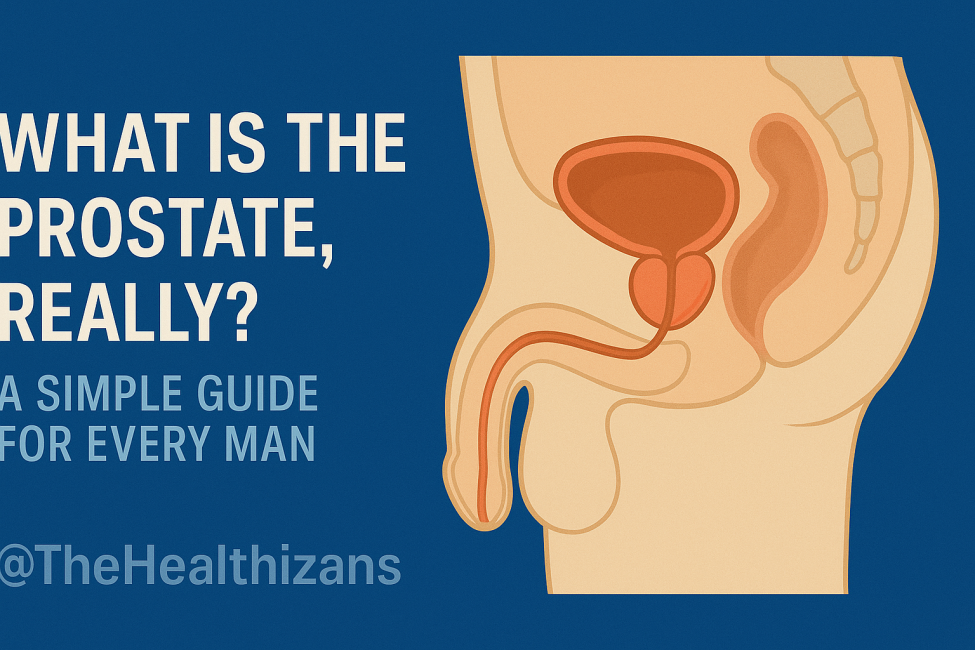
The prostate is a small, walnut-sized gland that sits just below the bladder and surrounds part of the urethra—the tube that carries urine out of the body.
It’s part of the male reproductive system and plays a key role in producing seminal fluid, which nourishes and transports sperm during ejaculation.
Though it’s hidden deep inside the body, it has big effects. A healthy prostate helps with fertility and urinary control. But when things go wrong, the impact is hard to ignore.
🔄 Why Does the Prostate Change With Age?
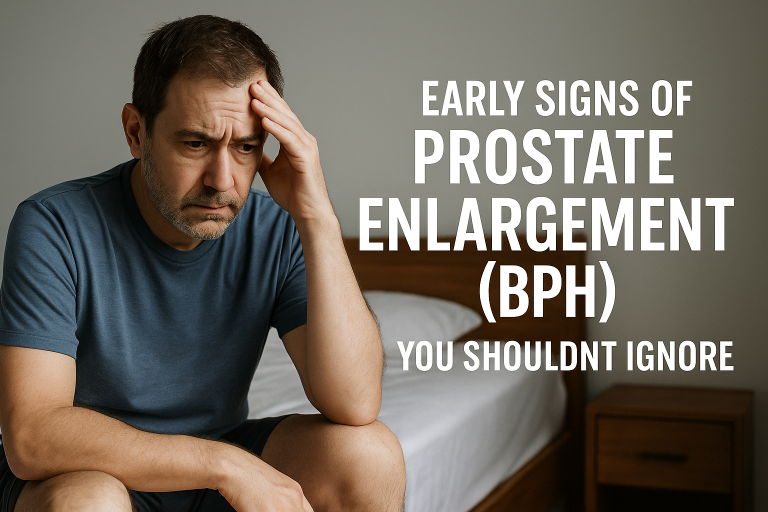
From around age 40 onward, the prostate gradually starts to enlarge—a natural condition known as Benign Prostatic Hyperplasia (BPH).
While BPH is not cancer, it can squeeze the urethra, leading to symptoms like:
- 🚽 Frequent or urgent need to urinate
- 😣 Difficulty starting urination
- 💧 Weak urine stream or dribbling
- 🌙 Waking up multiple times to pee at night (nocturia)
These symptoms can affect quality of life—but they’re also common and manageable when caught early.
⚠️ When to Be Concerned: Prostate Conditions to Know
There are three major prostate conditions men should be aware of:
- Benign Prostatic Hyperplasia (BPH): Non-cancerous enlargement of the prostate.
- Prostatitis: Inflammation of the prostate, often caused by infection. It can affect younger men too and may cause pain during urination or ejaculation.
- Prostate Cancer: One of the most common cancers in men worldwide, especially in men over 50. It’s often slow-growing, but early detection is crucial.
🔬 Should You Get Your Prostate Checked?
It depends on your age, risk factors, and symptoms.
🩺 Talk to your doctor if you:
- Are over 50 (or over 45 if you’re Black or have a family history of prostate cancer)
- Notice urinary issues
- Have pain in the pelvic or lower back area
- Feel fatigued or have unexplained weight loss
Your doctor might recommend a PSA (Prostate-Specific Antigen) blood test, and possibly a physical exam or imaging depending on findings.
🥦 Can Lifestyle Help?
Absolutely. While you can’t stop ageing, you can support your prostate health with smart habits:
✅ Eat more plant-based foods—like tomatoes, broccoli, soy, and green tea
✅ Stay active—regular exercise helps hormone balance
✅ Maintain a healthy weight—obesity is linked to higher prostate cancer risk
✅ Limit alcohol and processed meat
✅ Stay hydrated and urinate regularly
These small changes support not only your prostate but your overall wellbeing.
🧔 A Man’s Health Is More Than Muscles
It’s easy to focus on the visible signs of health—like fitness or strength—but internal organs like the prostate deserve just as much attention. Waiting until there’s a problem can make things harder to treat.
Learning about your prostate isn’t just “old man stuff.” It’s about taking control early, asking questions, and staying informed.
🗣️ What’s Your Take?
Have you ever had your prostate checked or considered doing so? What questions do you have about male health screenings?
💬 Drop a comment, share with a friend, or tag a loved one who needs this reminder. Let’s make talking about men’s health normal.
📚 Sources
- NHS. (2024). Prostate Problems. www.nhs.uk
- Prostate Cancer UK. (2023). Prostate information. www.prostatecanceruk.org
- American Cancer Society. (2024). Prostate Cancer Key Statistics.
- World Health Organization. (2022). Cancer Fact Sheet.
- Harvard Health Publishing. (2023). Keeping the Prostate Healthy: Tips for Men.
About the Author