Sleep apnoea is one of those conditions that often hides in plain sight. Many people live with it for years, brushing off the warning signs as stress, ageing, or simply being a “light sleeper.” Yet sleep apnoea is far more than a sleep inconvenience. It is a serious but highly treatable medical condition that affects breathing during sleep and can quietly increase the risk of heart disease, stroke, and metabolic problems if left unmanaged.
Understanding what sleep apnoea is—and recognising when something isn’t quite right—can be life-changing.
Understanding Sleep Apnoea
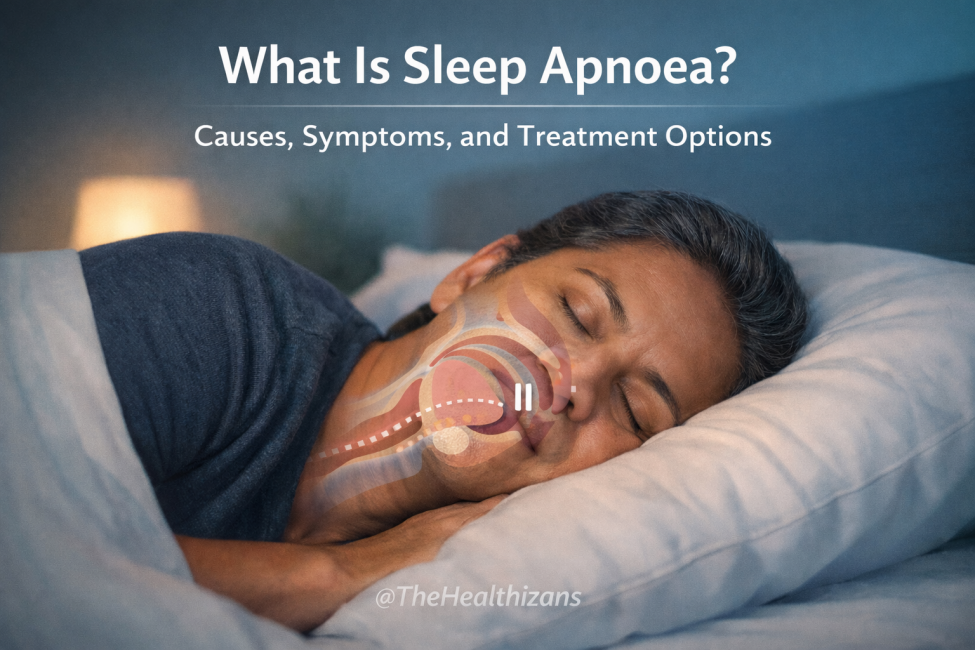
Sleep apnoea occurs when breathing repeatedly stops and starts during sleep. These pauses, known as apnoeas, can last several seconds and may happen many times each hour. Each pause causes oxygen levels in the blood to drop, prompting the brain to briefly wake the body enough to restart breathing.
Most people are completely unaware this is happening. However, these repeated disruptions prevent the body from reaching deep, restorative sleep. Over time, the strain on the heart, brain, and nervous system begins to show.
The Main Types of Sleep Apnoea
There is more than one form of sleep apnoea, although symptoms often overlap.
Obstructive sleep apnoea (OSA) is the most common type. It occurs when the muscles of the throat relax too much during sleep, allowing the airway to collapse or become blocked.
Central sleep apnoea is less common and happens when the brain does not send consistent signals to the muscles that control breathing.
Complex sleep apnoea is a combination of both.
Most diagnoses involve obstructive sleep apnoea, which is closely linked to physical and lifestyle factors.
Symptoms That Are Easy to Miss
Sleep apnoea is frequently overlooked because the most obvious signs happen at night. Often, it is a bed partner or family member who notices something is wrong.
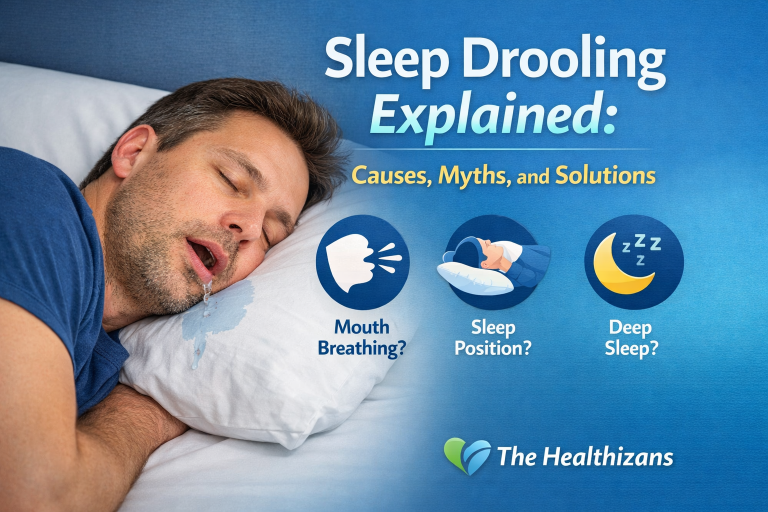
Common night-time signs include loud, persistent snoring, pauses in breathing, or gasping and choking sounds during sleep. Sleep may feel restless or fragmented, even if it lasts several hours.
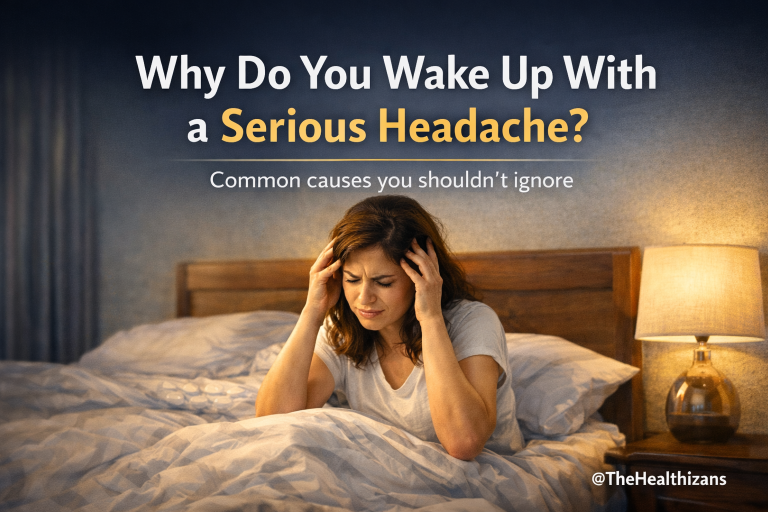
During the day, symptoms are more subtle but just as important. These often include ongoing fatigue, morning headaches, difficulty concentrating, memory problems, irritability, or excessive daytime sleepiness. Many people describe feeling “tired but wired,” never truly refreshed no matter how long they sleep.
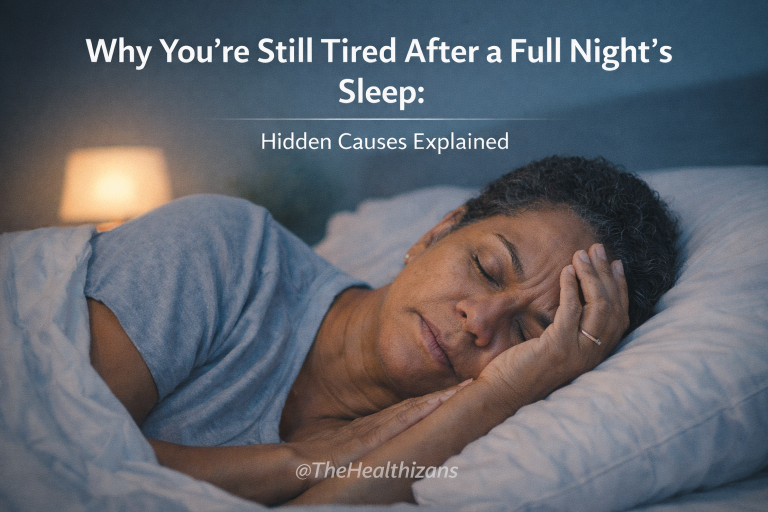
If this sounds familiar, it may be worth exploring further. Also, check out our article on why you’re still tired after a full night’s sleep, which looks at other hidden causes of persistent fatigue.
What Causes Sleep Apnoea?
Sleep apnoea rarely has a single cause. Instead, it usually develops from a combination of factors that affect airway size, muscle tone, or breathing control.
Excess weight—particularly around the neck—is a well-known risk factor, but it is not the only one. Natural jaw or airway shape, enlarged tonsils, smoking, alcohol use before bedtime, and certain medications can all contribute. Hormonal changes, including those during menopause, also play a role, which is why sleep apnoea is often under-recognised in women.
Although risk increases with age, sleep apnoea is not a normal part of getting older.
Why Sleep Apnoea Matters for Long-Term Health
Untreated sleep apnoea places the body under chronic stress. Repeated oxygen drops and sleep disruption trigger inflammatory and hormonal changes that affect multiple systems.
Strong evidence links sleep apnoea with high blood pressure, heart disease, stroke, type 2 diabetes, irregular heart rhythms, and impaired cognitive function. Daytime sleepiness also increases the risk of accidents at work and on the road.
Health organisations such as the NHS and the World Health Organization recognise sleep apnoea as a major but underdiagnosed contributor to chronic disease worldwide.
How Sleep Apnoea Is Diagnosed
Diagnosis usually involves a sleep assessment, often called a sleep study or polysomnography. This may be carried out in a sleep clinic or, in many cases, at home using validated monitoring equipment.
These tests measure breathing patterns, oxygen levels, heart rate, and sleep stages to determine whether apnoea is present and how severe it is. A clear diagnosis is essential, as treatment choices depend on severity and individual risk factors.
Treatment Options That Actually Help
The good news is that sleep apnoea is highly treatable, and most people notice meaningful improvements once therapy begins.
For moderate to severe cases, CPAP therapy (continuous positive airway pressure) is considered the most effective treatment. It works by gently keeping the airway open during sleep, preventing breathing pauses.
For milder cases, oral appliances—custom-fitted mouth guards—may help by repositioning the jaw and tongue. Lifestyle changes also play a crucial role. Even modest weight loss, reducing alcohol intake, stopping smoking, and changing sleep position can significantly reduce symptoms for some people.
In selected cases, surgical options or newer therapies such as nerve-stimulation devices may be considered under specialist care.
Living Well With Sleep Apnoea
With the right treatment and support, people with sleep apnoea often experience deeper sleep, improved energy, better concentration, and reduced cardiovascular risk. What once felt like constant exhaustion can gradually give way to a sense of balance and control.
Sleep apnoea is not a personal failing, and it is not something you simply have to “live with.” Recognising the signs is the first and most important step.
Final Thoughts
If loud snoring, unrefreshing sleep, or persistent fatigue has become part of your normal routine, it may be time to look a little deeper. Sleep apnoea is common, manageable, and too important to ignore.
💬 What’s Your Take?
Have you or someone close to you been diagnosed with sleep apnoea? Did treatment change how you felt day to day? Share your experience below.
📚 Sources
- NHS – Sleep apnoea
- World Health Organization (WHO) – Sleep, health, and noncommunicable disease risk
- American Academy of Sleep Medicine – Obstructive Sleep Apnea
- British Lung Foundation – Sleep apnoea
About the Author