Hepatitis is one of those conditions many people have heard of, yet few truly understand. Often described as a “silent disease,” hepatitis can quietly damage the liver for years before symptoms appear. In fact, millions of people worldwide are living with hepatitis without knowing it — putting them at risk of serious complications such as liver failure or cancer.
So, what is hepatitis, how does it affect the body, and why does early awareness matter so much? This article breaks it all down clearly and simply.
What Is Hepatitis?
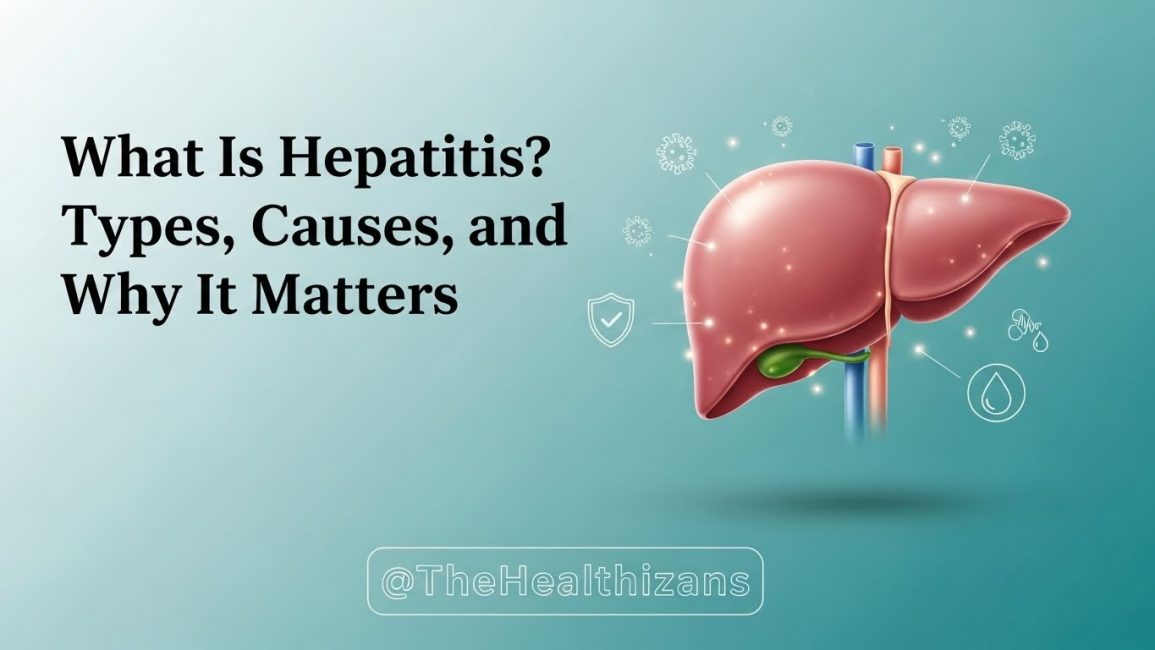
Hepatitis means inflammation of the liver. The liver plays a vital role in:
- Filtering toxins from the blood
- Helping digest food
- Regulating cholesterol and blood sugar
- Supporting immunity and hormone balance
When the liver becomes inflamed, these functions are disrupted. Over time, untreated hepatitis can lead to scarring (cirrhosis), liver failure, or liver cancer.
Hepatitis can be acute (short-term) or chronic (long-lasting), depending on the cause and how early it is detected.
The Main Types of Hepatitis Explained
1. Hepatitis A
- Usually spread through contaminated food or water
- Common in areas with poor sanitation
- Causes short-term illness and does not become chronic
- Preventable with vaccination
2. Hepatitis B
- Spread through blood, sexual contact, and from mother to baby
- Can become chronic, especially if infected at birth or in childhood
- Increases risk of cirrhosis and liver cancer
- Preventable with vaccination, manageable with treatment
3. Hepatitis C
- Mainly spread through blood-to-blood contact
- Often has no symptoms for years
- Frequently becomes chronic if untreated
- Now curable in most people with modern antiviral medicines
👉 We explore this further in “Hepatitis A, B, and C: What’s the Difference?” (internal link to be added).
4. Hepatitis D
- Only affects people who already have Hepatitis B
- Makes liver disease more severe
- Prevented indirectly by Hepatitis B vaccination
5. Hepatitis E
- Spread mainly through contaminated water
- Usually mild but can be dangerous in pregnancy
- More common in certain regions, but cases occur globally
Non-Viral Hepatitis: Not All Hepatitis Is Infectious
Hepatitis isn’t always caused by a virus. Other triggers include:
- Excessive alcohol use
- Certain medications or herbal supplements
- Autoimmune conditions
- Fatty liver disease linked to obesity and diabetes
These forms can be just as damaging if ignored.
Why Hepatitis Is Often Missed
One of the biggest dangers of hepatitis is that it may cause no symptoms at all, especially in the early stages. When symptoms do appear, they may include:
- Persistent tiredness
- Nausea or loss of appetite
- Dark urine or pale stools
- Yellowing of the skin or eyes (jaundice)
Because these signs are often vague, many people don’t seek help until liver damage has already occurred.
👉 This is why we’ve also covered Early Signs of Hepatitis You Shouldn’t Ignore.
Why Hepatitis Matters to Global Health
According to global health data:
- Viral hepatitis causes over a million deaths each year
- Many cases remain undiagnosed
- Early testing and vaccination could prevent most severe outcomes
The good news? Hepatitis is largely preventable, treatable, and in some cases curable — but only if people know their risk and get tested.
When Should You Consider Testing?
Testing is especially important if you:
- Have never been vaccinated against Hepatitis B
- Have had unprotected sex or blood exposure
- Received medical or cosmetic procedures in unregulated settings
- Were born in, or travelled to, high-risk regions
- Have abnormal liver blood tests
Routine screening saves lives.
Final Thoughts: Knowledge Protects Your Liver
Understanding what hepatitis is is the first step towards protecting your liver and long-term health. Whether caused by a virus, lifestyle factors, or medical conditions, hepatitis is not something to ignore — even when you feel well.
Early testing, vaccination, and healthy habits can make the difference between lifelong complications and a healthy future.
What’s Your Take? 💬
Have you ever had a liver function test or hepatitis screening?
Would you know the early warning signs if they appeared?
Share your thoughts in the comments — your experience could help someone else.
📚 Sources
- World Health Organization (WHO) Hepatitis – Key Facts & Global Burden
- World Health Organization (WHO) Global Hepatitis Programme
- NHS (UK) Hepatitis A, B, C, D and E
- Centers for Disease Control and Prevention (CDC) Viral Hepatitis – Overview
- British Liver Trust Understanding Hepatitis and Liver Disease
- National Institute of Diabetes and Digestive and Kidney Diseases (NIDDK) Hepatitis Overview
About the Author