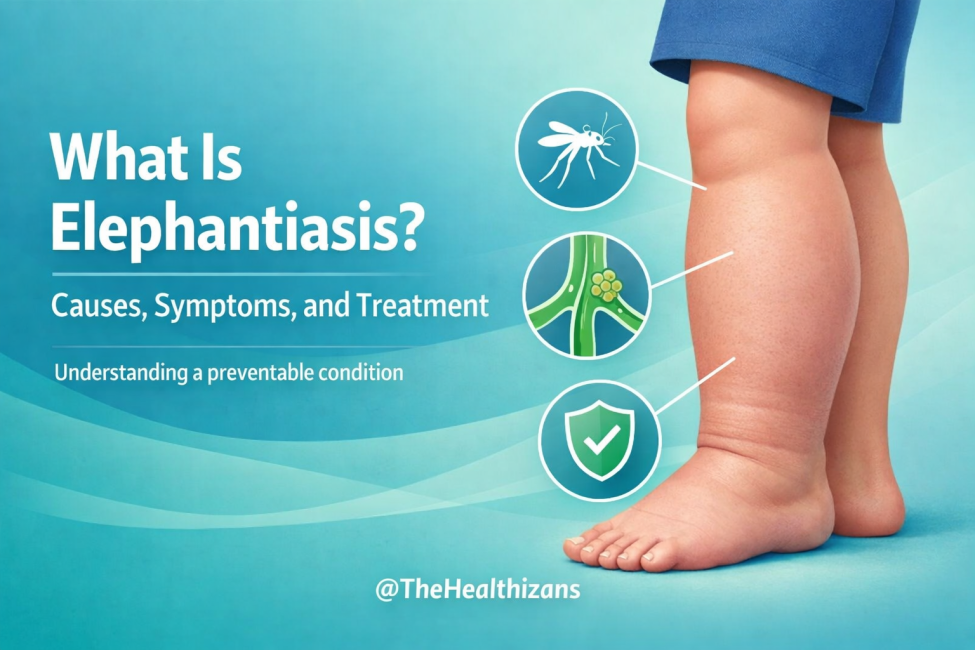
Elephantiasis is a serious and often misunderstood condition that leads to extreme swelling and thickening of the skin, most commonly affecting the legs, arms, or genitals. While it may look dramatic in advanced stages, elephantiasis does not develop overnight. In fact, it usually begins quietly, progressing over years when the underlying cause is not identified or treated early.
Understanding what elephantiasis is, how it develops, and what can be done to prevent or manage it is crucial — not just for people living with the condition, but also for reducing stigma and improving global health outcomes.
What Exactly Is Elephantiasis?
Elephantiasis is the end-stage result of long-term damage to the lymphatic system — a vital network responsible for fluid balance and immune defence. If you’re not familiar with how this system works, our How the Body Works: The Lymphatic System Explained article breaks it down in simple terms and shows why lymph flow is so essential to everyday health.
Medically, the most common cause worldwide is lymphatic filariasis, a parasitic infection transmitted by mosquitoes. Over time, the parasites damage lymph vessels, preventing normal fluid drainage. As fluid accumulates, tissues swell, the skin thickens, and repeated infections further worsen the condition.
It’s important to note that elephantiasis is not contagious through touch, sharing food, or close contact. The infection spreads only through mosquito bites, and many people exposed to the parasite never develop severe disease.
What Causes Elephantiasis?
1. Lymphatic Filariasis (Most Common Globally)
The leading cause of elephantiasis is infection with microscopic worms transmitted by mosquitoes. These parasites lodge in the lymphatic system, where they cause chronic inflammation and obstruction over many years.
Many infected individuals have no symptoms at first, which is why the disease often goes unnoticed until swelling becomes obvious.
2. Recurrent Infections and Inflammation
Repeated skin infections, especially in swollen limbs, further damage lymph vessels. This creates a vicious cycle: swelling increases infection risk, and infections worsen swelling.
3. Non-Parasitic Causes (Less Common)
In some cases, elephantiasis-like swelling may result from:
- Severe untreated lymphoedema
- Advanced obesity-related lymphatic damage
- Cancer treatments involving lymph node removal or radiation
This is why accurate diagnosis matters — not all elephantiasis has the same underlying cause.
Symptoms: From Early Changes to Advanced Disease
Elephantiasis develops gradually. Early symptoms are often subtle and easy to dismiss.
Early Signs
People may notice:
- Mild swelling that comes and goes
- A feeling of heaviness or tightness in a limb
- Recurrent fevers or chills linked to inflammation
- Thickening or dryness of the skin
At this stage, early treatment can prevent permanent damage — a point often missed in public awareness.
Advanced Symptoms
Without intervention, symptoms may progress to:
- Persistent, severe limb enlargement
- Hard, thickened, folded skin
- Deep skin creases prone to infection
- Reduced mobility and chronic pain
Beyond physical effects, advanced elephantiasis can have serious emotional and social consequences, including isolation, stigma, and depression.
How Is Elephantiasis Diagnosed?
Diagnosis usually involves a combination of:
- Clinical examination of swelling patterns
- Blood tests to detect parasitic infection
- Ultrasound or imaging to assess lymphatic damage
Identifying the cause early helps guide the right treatment approach and prevents unnecessary progression.
Treatment: Can Elephantiasis Be Cured?
Treating the Infection
When lymphatic filariasis is diagnosed early, antiparasitic medications can:
- Kill the parasites
- Prevent further lymphatic damage
- Reduce inflammation
However, once elephantiasis becomes advanced, treatment focuses on management rather than reversal.
Managing Long-Term Symptoms
Effective care can still significantly improve quality of life. This includes:
- Daily skin hygiene to prevent infections
- Treating wounds promptly
- Gentle movement and limb elevation
- Compression and physiotherapy where appropriate
These measures reduce swelling, lower infection risk, and help maintain mobility.
Can Elephantiasis Be Prevented?
Yes — and this is one of the most important messages to emphasise.
Prevention strategies include:
- Mosquito control measures
- Community-wide preventive medications in high-risk regions
- Early treatment of lymphatic infections
- Education on limb hygiene and skin care
Global public-health programmes have already prevented millions of cases, showing that elephantiasis is largely a preventable disease.
Why Awareness Still Matters
Despite being preventable, elephantiasis remains a major cause of disability in many parts of the world. Delayed diagnosis, limited access to healthcare, and persistent myths all contribute to its continued impact.
By improving awareness — especially around early symptoms and prevention — we can reduce suffering, challenge stigma, and support elimination efforts globally.
What’s Your Take? 💬
Were you aware that elephantiasis often starts silently and can be prevented?
What surprised you most about this condition? Share your thoughts in the comments — respectful conversations help break stigma.
Sources
- World Health Organization (WHO) – Lymphatic Filariasis Fact Sheet
- NHS – Lymphoedema Overview
- CDC – Lymphatic Filariasis
About the Author