Coronary artery disease (CAD) is the most common form of heart disease worldwide — yet it often develops silently over many years. Many people don’t realise they have it until they experience chest pain, a heart attack, or sudden shortness of breath.
Understanding what coronary artery disease is, how it develops, and what you can do to reduce your risk can make a life-saving difference.
What Exactly Is Coronary Artery Disease?
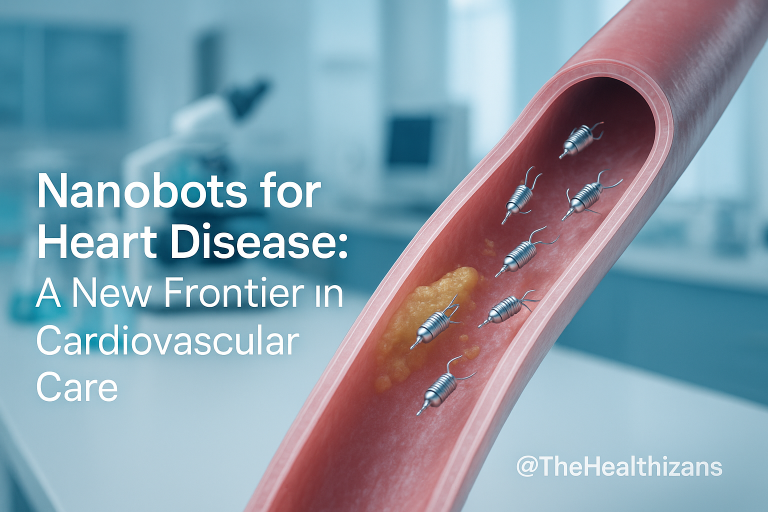
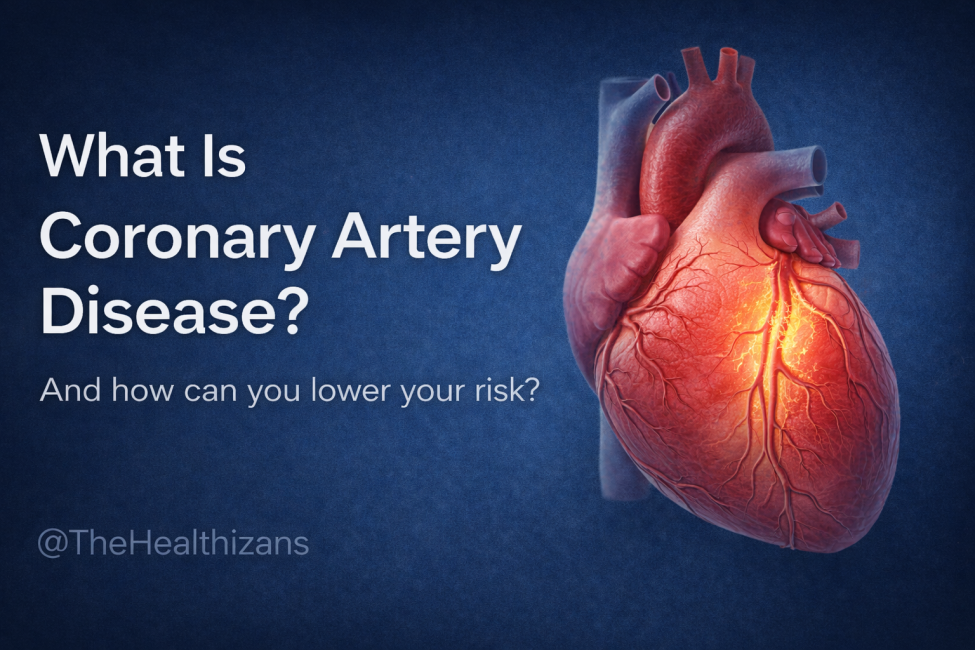
Coronary artery disease occurs when the arteries that supply blood to the heart muscle become narrowed or blocked. This usually happens because of a gradual build-up of fatty deposits, known as plaques, inside the artery walls.
Over time, these plaques reduce blood flow to the heart. As a result, the heart muscle receives less oxygen, especially during physical activity or emotional stress, when it needs it most.
Eventually, this reduced blood supply can lead to angina (chest pain), heart attacks, or heart failure.
How Coronary Artery Disease Develops Over Time
CAD doesn’t appear overnight. Instead, it develops slowly through a process called atherosclerosis.
Initially, high levels of LDL (“bad”) cholesterol begin to stick to damaged areas of the artery lining. Gradually, inflammation sets in, plaques grow larger, and the arteries become stiffer and narrower. At the same time, high blood pressure pushes blood forcefully through these narrowed vessels, increasing strain and further damage.
This dangerous combination explains why CAD is closely linked to conditions we’ve already explored, such as high blood pressure and high cholesterol. In fact, as discussed in our article How Are Blood Pressure, Cholesterol, and Heart Health Connected?, managing these risk factors together is far more effective than treating them separately.
Early Signs of Coronary Artery Disease
One of the challenges with CAD is that early symptoms are often subtle or easily dismissed.
You may notice:
- Chest discomfort or pressure during exertion
- Shortness of breath when climbing stairs or walking briskly
- Unusual fatigue that feels out of proportion to your activity level
Some people, particularly women and older adults, experience atypical symptoms, such as nausea, jaw pain, or back discomfort. Others may have no noticeable symptoms at all until a heart attack occurs.
Why Coronary Artery Disease Is So Dangerous
When a plaque inside a coronary artery ruptures, it can trigger a blood clot that suddenly blocks blood flow to the heart. This is what causes most heart attacks.
Additionally, reduced blood supply over time weakens the heart muscle, increasing the risk of heart failure and dangerous heart rhythm disturbances. CAD is also closely linked with stroke, as the same plaque-building process often affects blood vessels in the brain. This overlap is why stroke and heart disease prevention strategies are so closely aligned.
How to Lower Your Risk of Coronary Artery Disease
The good news is that CAD is largely preventable, even if you have a family history.
Lowering your risk starts with addressing the factors that damage arteries in the first place.
Manage blood pressure and cholesterol
Keeping both within healthy ranges reduces artery damage and plaque formation. Regular checks are essential, even if you feel well.
Adopt a heart-protective diet
Diets rich in vegetables, fruits, whole grains, legumes, oily fish, and healthy fats help reduce inflammation and improve cholesterol levels. Highly processed foods, excess salt, and trans fats do the opposite.
Stay physically active
Regular movement improves circulation, lowers blood pressure, and helps regulate cholesterol. Even moderate activity, such as brisk walking, can significantly reduce risk.
Stop smoking
Smoking directly damages the artery lining and accelerates plaque build-up. Quitting is one of the most powerful ways to protect your heart.
Manage stress and sleep well
Chronic stress and poor sleep increase blood pressure, inflammation, and unhealthy coping behaviours. Addressing these factors plays a real role in heart protection.
Global and NHS Perspective
The NHS identifies coronary artery disease as a leading cause of premature death in the UK, while the World Health Organization lists it among the top contributors to global mortality. Both emphasise that prevention — through lifestyle change and early medical management — is far more effective than treating advanced disease.
Final Thoughts
Coronary artery disease is not an inevitable part of ageing. It is the result of long-term processes that can be slowed, stopped, or even partially reversed when addressed early.
By understanding how CAD develops and taking steps to protect your arteries, you give your heart the best possible chance to stay strong — not just today, but for years to come.
💬 What’s Your Take?
Have you ever had your cholesterol or blood pressure checked?
Do you think heart disease is talked about early enough?
Share your thoughts — your experience could help someone else take action sooner.
📚 Sources
- NHS — Coronary heart disease
- World Health Organization — Cardiovascular diseases
- British Heart Foundation — Coronary heart disease
About the Author