When couples plan for a baby, much of the focus is often on the woman’s health. But here’s the truth — fertility is a team effort.
Your partner’s health can directly affect sperm quality, conception chances, and even your baby’s long-term wellbeing.
This guide explores the keyways your partner’s lifestyle and health influence your journey to pregnancy — and how you can work together for success.
1️⃣ Sperm Health Matters
Healthy sperm aren’t just about quantity — quality is equally important.
- Count: The number of sperm in each sample.
- Motility: How well they swim.
- Morphology: Shape and structure.
Poor sperm quality can slow down conception or increase miscarriage risk.
2️⃣ Nutrition for Better Fertility
Your partner’s diet can affect sperm production and function.
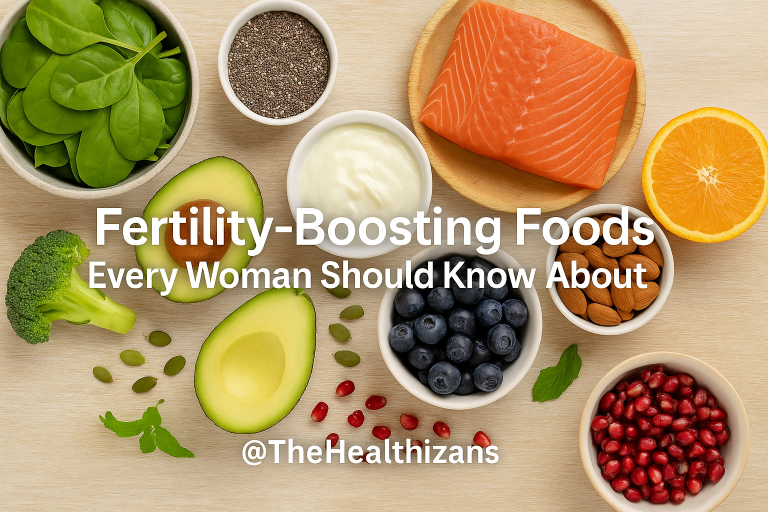
- Include antioxidant-rich foods (berries, leafy greens) to protect sperm from damage.
- Eat zinc-rich foods (pumpkin seeds, shellfish) for sperm production.
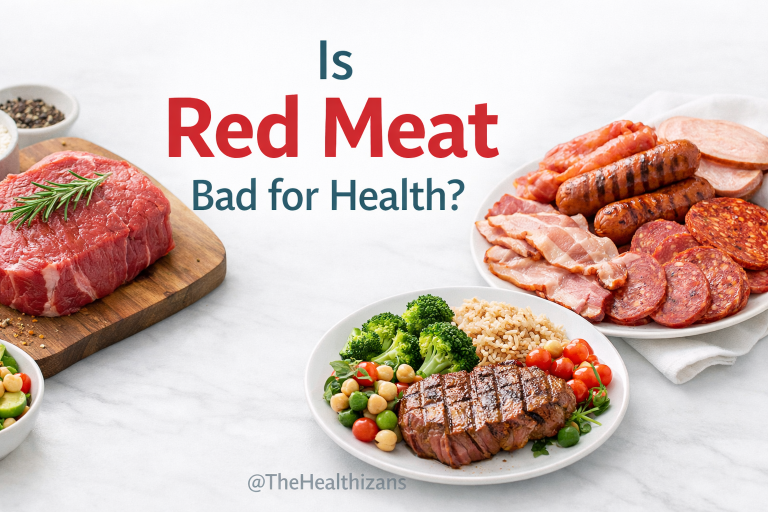
- Limit processed meats and excessive sugar.
3️⃣ Weight and Hormone Balance
Being overweight or underweight can affect testosterone and sperm quality.
- Aim for a healthy BMI (18.5–24.9) through balanced eating and regular exercise.
4️⃣ Alcohol, Smoking, and Drug Use
These can reduce sperm count, damage sperm DNA, and impact hormone balance. 🚭
- Quitting or cutting back can improve fertility in just a few months.
5️⃣ Managing Stress
Chronic stress can reduce testosterone levels and lower sperm production.
- Activities like mindfulness, walking, and shared hobbies can help reduce stress as a couple.
6️⃣ Medical Check-ups for Men
Encourage your partner to see a GP before trying for a baby.
- Screen for conditions like diabetes or infections that can affect fertility.
- Review any medicines that may reduce sperm quality.
🌟 Key Takeaway
Your partner’s health plays a vital role in your fertility journey. Working together on nutrition, exercise, and lifestyle changes can boost your chances of conceiving — and set the foundation for a healthy pregnancy.
💬 What’s Your Take?
Have you and your partner started making fertility-friendly changes together? Share your experience in the comments — your story could inspire other couples.
📚 Sources
- NHS. Male Infertility. https://www.nhs.uk
- World Health Organization. WHO Laboratory Manual for the Examination and Processing of Human Semen.
- Public Health England. Men’s Health and Reproductive Wellbeing.
About the Author