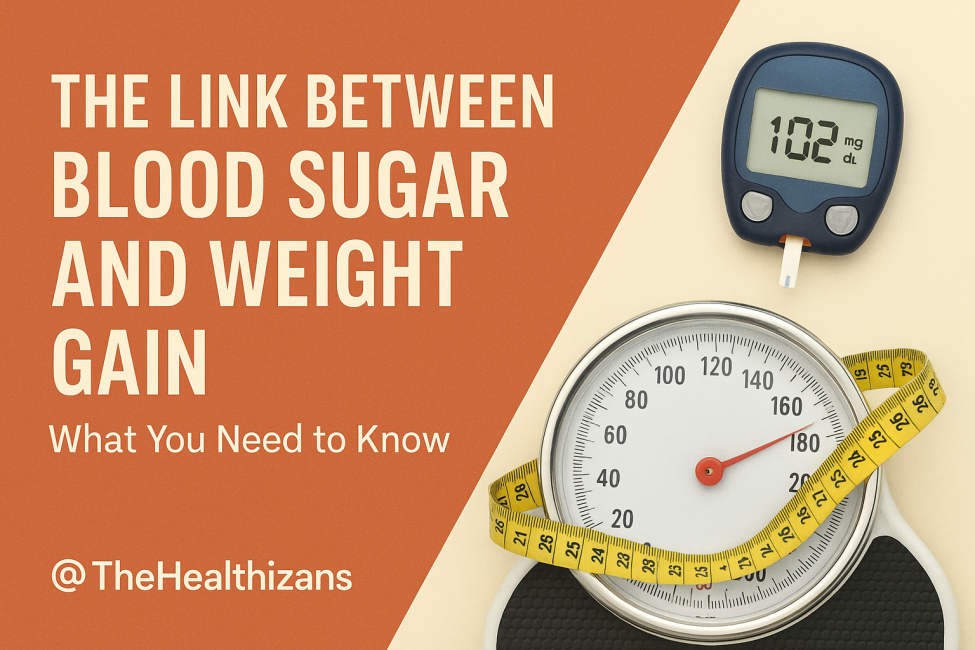
Have you ever felt like you’re gaining weight even though you’re “not eating that much”? Or perhaps you’ve been exercising regularly but the scale refuses to budge? The missing piece of the puzzle may be in your blood sugar levels.
Understanding the link between blood sugar and weight gain can help you make smarter food choices, stabilise your energy, and finally break the frustrating cycle of cravings and fatigue.
This isn’t just a diabetes issue — your blood sugar influences your hunger, metabolism, fat storage, and energy balance every single day.
🔁 How Blood Sugar Affects Weight
When you eat carbohydrates — especially refined ones — your body converts them into glucose, a form of sugar that fuels your cells. This triggers the release of insulin, the hormone responsible for moving glucose out of your bloodstream and into your tissues.
But here’s the key point: insulin doesn’t just manage blood sugar — it also controls fat storage.
- Frequent blood sugar spikes cause higher insulin levels.
- High insulin levels tell your body to store more fat (especially around your belly).
- Over time, this makes it harder to burn fat and easier to gain weight.
So, even if you’re eating “healthy,” repeated glucose surges can keep your body in storage mode rather than fat-burning mode.
🍩 The Sugar–Fat Cycle
Let’s take a closer look at how this common pattern unfolds:
1️⃣ You eat something sugary or starchy.
2️⃣ Blood sugar spikes → insulin surges.
3️⃣ Excess glucose is stored as fat.
4️⃣ Blood sugar drops quickly → you feel tired or hungry again.
5️⃣ You crave more sugar or carbs → the cycle repeats.
This rollercoaster effect is especially common with processed foods, sweetened drinks, and large portions of refined carbs. Over time, your energy dips, your appetite increases, and your body keeps holding onto fat.
👉 For a deeper understanding of glucose balance, check out our related post: Understanding Blood Sugar: What It Is and Why It Matters.
📉 What Insulin Resistance Means for Your Waistline
If your cells stop responding efficiently to insulin — a condition known as insulin resistance — your body has to release even more insulin to get the same effect.
This can:
- Increase fat storage, particularly around your abdomen.
- Make it harder for your body to use stored fat for energy.
- Cause stronger hunger and sugar cravings.
Insulin resistance is a major factor behind both prediabetes and difficulty losing weight, even in people who eat relatively well. It’s one of the most overlooked contributors to weight management struggles.
🌍 A Global Health Perspective
The link between blood sugar and weight gain isn’t limited to one part of the world. Diets high in refined carbs and sugary beverages have become common everywhere — from city cafés in Europe to fast-food stalls in Africa and Asia.
According to the World Health Organization (WHO), rising global rates of overweight and obesity are directly tied to excessive sugar intake and poor blood glucose control. Studies from South Asia, West Africa, and Latin America also show that even populations once known for balanced, plant-based diets are now seeing surges in insulin resistance due to dietary shifts and urban lifestyles.
This is a global challenge — but also a global opportunity for awareness and prevention.
✅ How to Break the Cycle
You can regain control of both your blood sugar and your weight with simple, consistent habits. The goal is to flatten those spikes and keep your energy steady throughout the day.
🥗 Eat Balanced Meals
Include protein, fibre, and healthy fats in every meal — they slow digestion and prevent sugar surges.
🏃 Move Regularly
Physical activity helps your muscles use glucose efficiently, lowering both blood sugar and insulin levels.
🛌 Prioritise Sleep
Sleep deprivation increases hunger hormones and makes your body more insulin-resistant. Aim for 7–9 hours each night.
🧘 Manage Stress
Chronic stress raises cortisol, which interferes with insulin and encourages fat storage. Try mindfulness, deep breathing, or light exercise.
💧 Stay Hydrated
Water supports metabolism and glucose regulation — skip sugary drinks, and drink plain or infused water instead.
Each of these actions may seem small, but together they create a steady, sustainable foundation for better energy, mood, and long-term weight control.
💡 Analyst’s Corner – Real-World Insight
Population health data consistently shows that individuals who maintain stable blood sugar levels through diet and exercise are less likely to develop obesity or metabolic syndrome.
In clinical settings, people who combine moderate physical activity, fibre-rich foods, and improved sleep see significant reductions in both fasting glucose and waist circumference — often within a few weeks.
🩺 The Bottom Line
If you’ve been struggling to lose weight, the issue may not just be about calories — it may be about how your body handles glucose.
Balancing blood sugar and insulin through healthy habits can reduce cravings, lower fat storage, and restore natural energy rhythms.
When you stabilise your blood sugar, your body begins to trust that energy is always available — and stops clinging to fat “just in case.”
Stay informed. Live balanced. And remember — every stable meal is a step toward a healthier metabolism.
💬 What’s Your Take?
Have you ever noticed changes in your energy or hunger after eating sugary foods? What strategies have helped you manage cravings or stabilise your blood sugar?
Share your tips with the @TheHealthizans community — your insight could help someone else make a life-changing shift!
📚 Sources
- World Health Organization – Diabetes and Obesity Factsheet
- Centers for Disease Control and Prevention – Insulin Resistance and Weight Gain
- Mayo Clinic – Metabolism and Blood Sugar
- International Journal of Public Health Nutrition (2023) – Blood Glucose and Obesity Trends in Urbanising Populations
About the Author