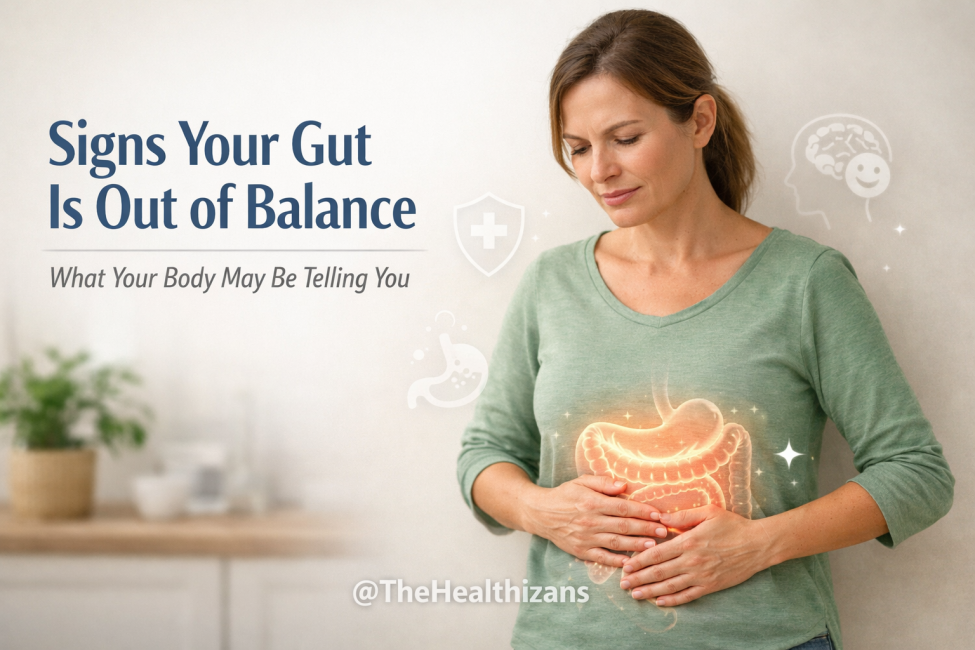
Your gut does far more than digest food. It plays a central role in immunity, hormone regulation, inflammation control, and even mental wellbeing. Inside your digestive system lives a complex community of trillions of bacteria — known as the gut microbiome — that helps keep your body in balance.
When this ecosystem is disrupted, a state known as gut imbalance or dysbiosis, the effects can show up in surprising ways — not just in your stomach, but throughout your body.
So how do you know if your gut is out of balance? Here are the key signs to pay attention to — and why they matter.
Digestive Symptoms That Shouldn’t Be Ignored
One of the clearest signs of gut imbalance is ongoing digestive discomfort. Occasional bloating or irregular bowel movements are normal, but persistent symptoms are not.
You may notice:
- frequent bloating or excess gas
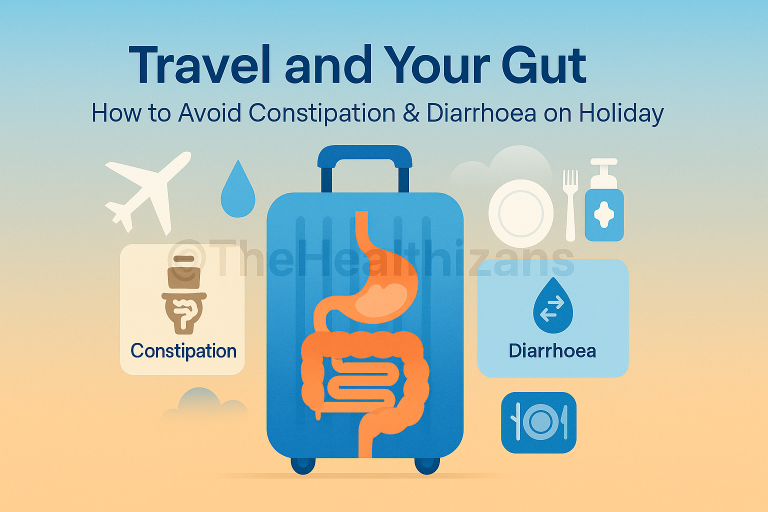
- constipation, diarrhoea, or alternating between both
- abdominal discomfort after meals
- feeling overly full even after small portions
These symptoms can signal that your gut bacteria are struggling to properly break down food or maintain normal gut movement.
Unexplained Fatigue and Low Energy
If you feel tired despite adequate sleep, your gut may be involved. A disrupted microbiome can interfere with nutrient absorption — including iron, magnesium, and B vitamins — all essential for energy production.
Inflammation driven by gut imbalance can also drain energy, leaving you feeling sluggish without an obvious cause.
Frequent Illness or Weakened Immunity
Around 70% of the immune system resides in the gut. When the microbiome is unhealthy, immune defences weaken, making you more prone to:
- frequent colds or infections
- slow recovery from illness
- heightened inflammation
A balanced gut helps the immune system distinguish between harmless substances and real threats.
Skin Issues That Seem Unrelated
The gut and skin are closely connected through the gut–skin axis. An imbalanced gut can contribute to inflammatory skin conditions such as:
- acne
- eczema
- rosacea
- unexplained rashes
These issues may persist even when topical treatments are used, because the underlying cause lies internally.
Mood Changes, Brain Fog, and Anxiety
Your gut produces many neurotransmitters, including serotonin, often called the “feel-good hormone.” When gut bacteria are disrupted, communication between the gut and brain can be affected.
People with gut imbalance may experience:
- anxiety or low mood
- irritability
- difficulty concentrating
- brain fog
This connection helps explain why digestive health and mental wellbeing are so closely linked.
Food Sensitivities and Increased Cravings
An unhealthy gut lining may become more permeable, allowing substances to pass into the bloodstream that shouldn’t be there. This can trigger food sensitivities or discomfort after eating foods you previously tolerated well.
You may also notice stronger cravings for sugar or ultra-processed foods — which can further feed harmful gut bacteria and worsen the imbalance.
This cycle is similar to what we explored in Can You Lose Weight Without Dieting? What Science Really Says, where gut health plays a quiet but powerful role in appetite regulation.
What Causes Gut Imbalance in the First Place?
Gut imbalance doesn’t happen overnight. Common contributors include:
- frequent antibiotic use
- diets low in fibre and high in ultra-processed foods
- chronic stress
- poor sleep
- lack of dietary diversity
Over time, these factors reduce beneficial bacteria and allow less helpful strains to dominate.
How to Support a Healthier Gut
The good news is that the gut is remarkably adaptable. Supporting balance doesn’t require extreme cleanses or supplements.
Helpful steps include:
- eating a wide variety of fibre-rich plant foods
- including fermented foods if tolerated
- managing stress and prioritising sleep
- staying physically active
- reducing reliance on ultra-processed foods
Small, consistent changes can lead to meaningful improvements.
Final Thoughts
Gut imbalance doesn’t always announce itself loudly. Often, it shows up as a collection of subtle symptoms — digestive discomfort, low energy, skin issues, or mood changes — that are easy to overlook or treat separately.
Listening to these signals and addressing gut health at the root can improve not just digestion, but overall wellbeing.
What’s Your Take?
Have you experienced any of these symptoms? Did improving your diet or stress levels make a difference? Share your experience — your insight may help someone else recognise the signs earlier.
Sources
- NHS — Gut Health and Digestion
- Harvard T.H. Chan School of Public Health — The Microbiome
- World Gastroenterology Organisation — Gut Microbiota
- Cleveland Clinic — Gut Health Explained
- National Institute of Diabetes and Digestive and Kidney Diseases (NIDDK)
About the Author