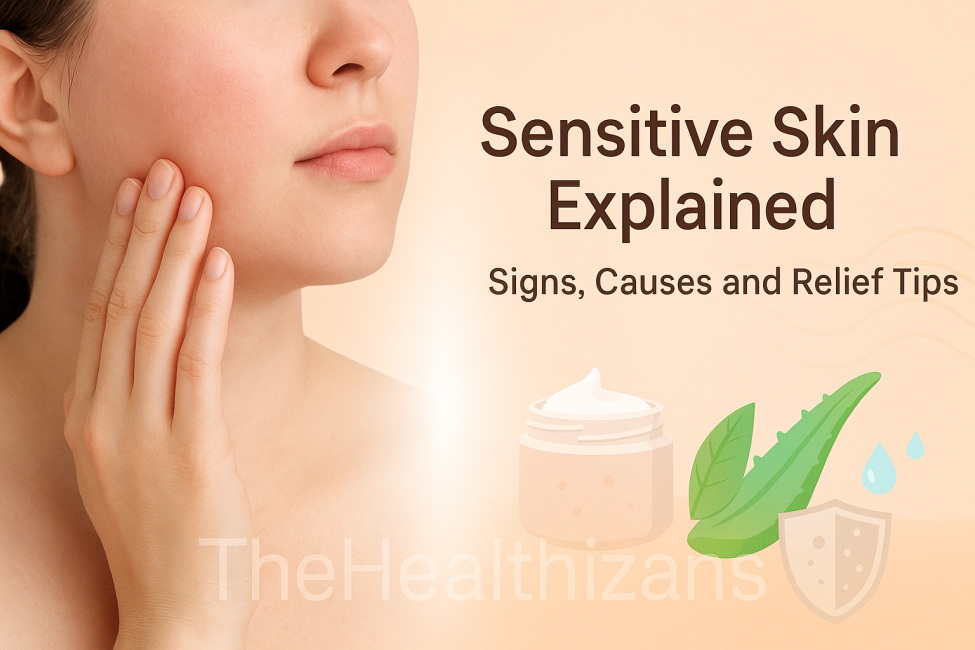
If your skin tingles, burns, or turns red even with products that others use comfortably, you might wonder why your skin reacts so easily. This experience is more common than many realise, and understanding sensitive skin is the first step toward managing it well. For some people, simple routines like washing their face or stepping out on a windy day can trigger discomfort. For others, sensitivity shows up gradually through dryness, irritation, or unpredictable reactions.
Although sensitive skin isn’t a medical diagnosis, it is a recognised pattern of skin responses that can be managed once you know what’s driving those reactions.
Understanding What Sensitive Skin Really Is
Sensitive skin describes a tendency to react to products, weather, stress, or environmental changes more intensely than expected. It usually happens because the skin barrier — the protective layer that keeps moisture in and irritants out — is weaker or compromised. When the barrier struggles, even gentle products may sting, and environmental changes can feel harsh.
People with sensitive skin often notice recurring signs such as redness, tightness after washing, or a stinging sensation when applying skincare. These symptoms vary widely, which is why sensitive skin can easily be confused with conditions like eczema, rosacea, and contact dermatitis.
What Causes the Skin to Become Sensitive?
Skin sensitivity has several possible triggers, and often it’s a combination rather than one single cause. A weakened skin barrier is one of the most common contributors. When the barrier becomes disrupted from over-washing, harsh exfoliants, or cold weather, the skin loses moisture and becomes vulnerable to irritants.
Ingredients also play a role. Fragrances, strong essential oils, alcohol-based toners, and certain acids can provoke irritation. Weather changes can influence sensitivity as well, particularly cold, dry air or hot, humid conditions that place extra stress on the skin.
Stress is another important but often overlooked trigger. When stress hormones rise, inflammation increases throughout the body — including the skin — which can intensify sensitivity. Hormonal shifts, such as those experienced during menstruation or menopause, may also temporarily heighten reactivity.
Underlying skin conditions can make the picture even more complex. Eczema, rosacea, and allergic dermatitis often coexist with sensitive skin, which is why persistent or severe symptoms may need medical assessment.
How to Care for Sensitive Skin Day to Day
Caring for sensitive skin doesn’t require a long list of products — rather, it calls for thoughtful choices and a gentle, consistent routine. Cleansing is a good place to start. Using a fragrance-free, non-foaming cleanser helps prevent further irritation, while avoiding scrubs or harsh exfoliants protects the skin barrier from unnecessary damage.
Moisturising regularly is essential. Look for moisturisers rich in soothing ingredients such as ceramides, glycerin, and hyaluronic acid. These help replenish the skin’s moisture barrier and reduce sensitivity over time. Patch-testing new products before applying them to your entire face is another crucial step. Testing on a small area — such as the jawline or wrist — can prevent widespread reactions.
Sunscreen is equally important, though choosing the right one matters. Mineral sunscreens containing zinc oxide or titanium dioxide tend to be gentler than chemical sunscreens because they sit on the skin’s surface rather than being absorbed. This makes them a better choice for many people with sensitive skin.
Although your skincare routine forms the foundation, lifestyle habits also reinforce skin resilience. Staying hydrated, managing stress, and using a humidifier in dry seasons all support healthier skin. Even small habits — such as using lukewarm water instead of hot water — can reduce irritation.
For more guidance on building skin-friendly habits, you may find our article on Daily Habits That Keep Your Skin Healthy All Year Round helpful.
When It’s Time to Seek Professional Advice
While many people manage sensitive skin successfully at home, some situations warrant medical support. If your skin becomes persistently red, inflamed, or painful, or if sensitivity appears suddenly without a clear trigger, a dermatologist can help identify underlying conditions. This is particularly important when symptoms point towards eczema, rosacea, or allergies, where targeted treatment makes a significant difference.
Key Takeaways
Sensitive skin is a common experience, often linked to a weakened skin barrier, environmental triggers, or underlying conditions. With a gentle skincare routine, thoughtful product choices, and supportive daily habits, most people can significantly reduce irritation and maintain healthier, more comfortable skin. Persistent or severe sensitivity deserves professional attention to rule out other conditions and ensure you receive appropriate care.
Sources
- NHS — Eczema Overview
- American Academy of Dermatology — Sensitive Skin Care Tips
- Dermatology and Therapy — Skin Barrier Function and Sensitivity (2022)
About the Author