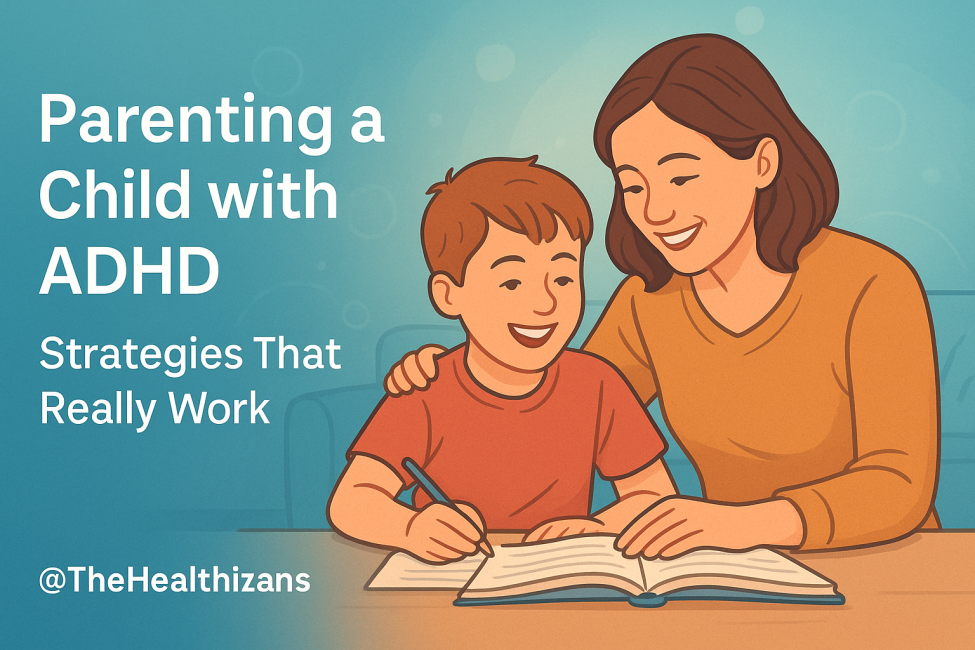
Parenting a child with ADHD can be both rewarding and challenging. The constant energy, curiosity, and creativity many children show can also come with impulsivity, emotional ups and downs, and difficulty staying focused. Understanding what’s really going on in your child’s brain can transform frustration into empathy — and help you find strategies that truly work.
Attention-Deficit/Hyperactivity Disorder (ADHD) affects around 1 in 10 children worldwide, according to the World Health Organization (WHO, 2024). The good news is that with early recognition, structure, and support, children with ADHD can thrive both at home and in school.
🧠 Understanding ADHD in Children
ADHD is not about laziness or poor discipline. It’s a neurodevelopmental condition linked to differences in how the brain regulates attention, emotion, and impulse control. These children often process information quickly, seek stimulation, and may struggle with transitions or delayed gratification.
Common symptoms include:
- Difficulty focusing on tasks, especially ones they find boring
- High levels of activity or restlessness
- Acting without thinking
- Emotional intensity or quick frustration
It’s essential to remember that ADHD looks different for every child — some are predominantly inattentive, others hyperactive, and many show a mix of both.
🏡 1. Create Predictable Routines
Children with ADHD thrive on structure and consistency. Daily routines help reduce anxiety and improve focus.
- Keep mornings, meals, and bedtime schedules consistent.
- Use visual planners, checklists, or colourful charts to make routines engaging.
- Build in short breaks for movement — it helps reset focus and mood.
🪄 Tip: You can download free ADHD-friendly routine templates and reward charts from trusted parenting websites like ADDitude Magazine.
💬 2. Use Clear, Positive Communication
Instead of long explanations, use short, calm, and direct instructions. Avoid negative phrasing (“Don’t run!”) and try positive cues (“Let’s walk slowly”).
- Maintain eye contact when speaking.
- Praise effort, not just results.
- Offer choices to encourage independence — for example, “Do you want to do homework before or after your snack?”
❤️ 3. Focus on Strengths, Not Just Symptoms
Children with ADHD often excel in creativity, curiosity, and problem-solving. Celebrate these strengths.
- Encourage hobbies like art, sports, or building projects.
- Recognise and praise small wins — it boosts motivation and self-esteem.
- Work with teachers to integrate your child’s interests into learning.
Also, check out our piece on Building Daily Routines That Stick — it offers practical ways to create habits your child can actually follow.
🧘♀️ 4. Teach Emotional Regulation
Helping your child recognise emotions early builds resilience.
- Use “feelings charts” or colour zones to identify moods.
- Model calmness yourself — children mirror adult behaviour.
- Try relaxation or breathing exercises together.
These techniques can reduce meltdowns and teach long-term coping skills.
🏫 5. Partner With Teachers and Schools
A strong home–school connection is key. Share your child’s strengths, triggers, and strategies that work at home.
- Request classroom accommodations (e.g., flexible seating, movement breaks).
- Ask about Individual Education Plans (IEPs) or SENCO support if in the UK.
- Regularly check in with teachers, not only when problems arise.
💊 6. Consider Professional Support
If symptoms cause major disruption, consult a paediatrician, psychologist, or ADHD specialist.
Treatment may involve behavioural therapy, parent training, or, in some cases, medication.
Support groups — both online and local — can also provide reassurance and practical advice.
🌈 Final Thoughts
Parenting a child with ADHD is a journey — one that requires patience, understanding, and flexibility. With structure, empathy, and evidence-based strategies, your child can flourish at home, in school, and beyond.
💬 What’s Your Take?
Do you parent a child with ADHD or support someone who does? What routines or strategies have helped in your home? Share your experiences with our community @TheHealthizans
📚 Sources
- National Institute for Health and Care Excellence (NICE). Attention deficit hyperactivity disorder: diagnosis and management (NG87).
- World Health Organization (WHO). Pharmacological and non-pharmacological interventions for children and ADHD.
- Centers for Disease Control and Prevention (CDC). ADHD Treatment: Parent Training in Behaviour Management.
- Child Mind Institute. Parents Guide to ADHD in Children.
- National Institute of Mental Health (NIMH). Attention – Deficit/Hyperactivity Disorder (ADHD).
About the Author