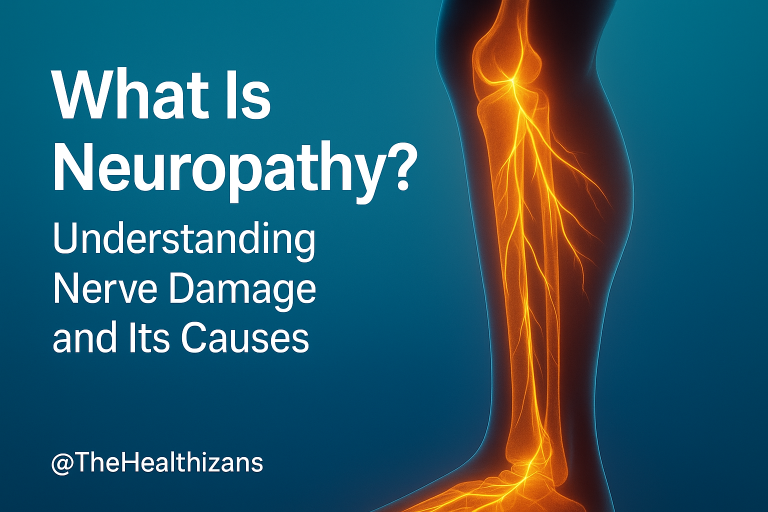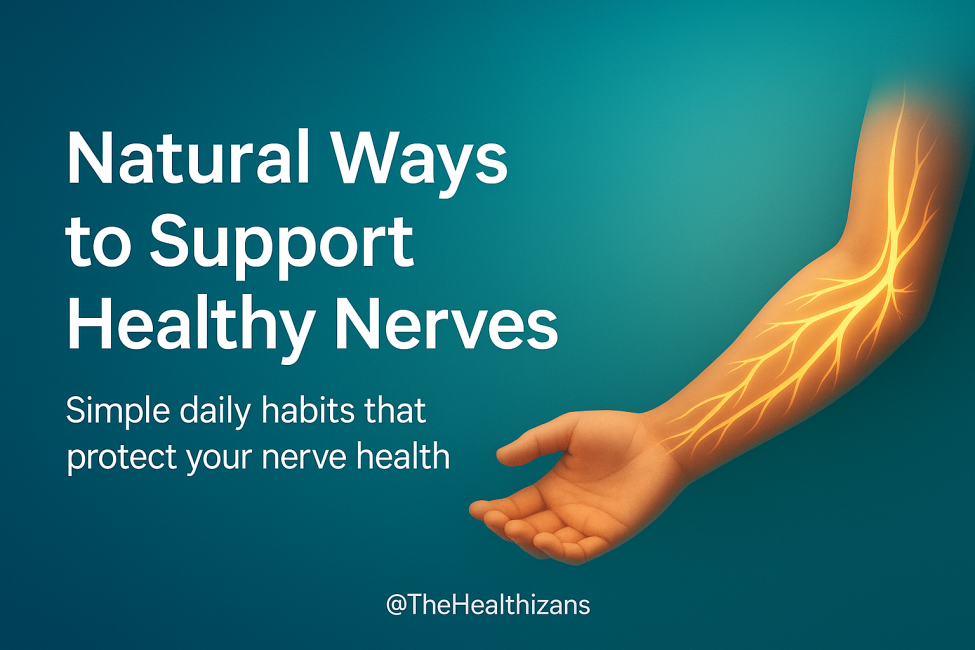
Your nerves are the body’s communication network — helping you move, feel, react, and stay balanced. Yet many people only start paying attention to nerve health when tingling, numbness, burning sensations, or sharp pain begin to appear.
The good news? You can support healthy nerves naturally with simple lifestyle habits that protect nerve fibres, reduce inflammation, and improve circulation. These changes won’t replace medical treatment when needed, but they can significantly improve comfort and long-term nerve function.
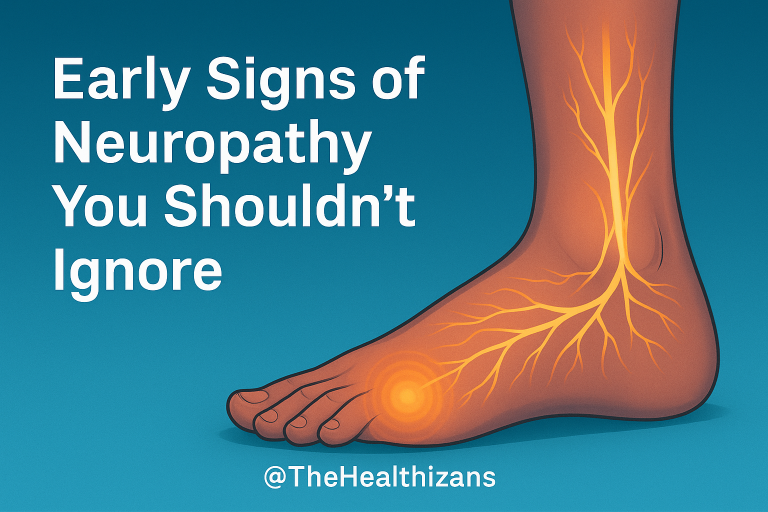
Before we begin, you may also find our piece on Early Signs of Neuropathy You Shouldn’t Ignore helpful, especially if you’re experiencing numbness or tingling.
🥗 1. Eat a Nerve-Friendly Diet
Nutrition plays a major role in nerve health, because nerves rely on vitamins, minerals, and antioxidants to function properly.
🔹 Key nutrients for strong nerves
Vitamin B1, B6 & B12
- Essential for nerve repair and signal transmission
- Found in eggs, fish, lean meat, beans, and fortified cereals
Omega-3 fatty acids
- Reduce inflammation and support nerve regeneration
- Found in salmon, mackerel, sardines, walnuts, chia seeds
Vitamin E & antioxidants
- Protect nerves from oxidative damage
- Found in berries, almonds, spinach, avocados
Magnesium
- Helps calm overactive nerves and relax muscles
- Found in leafy greens, pumpkin seeds, whole grains
💡 Tip: A colourful plate is a nerve-protective plate.
🚶♂️ 2. Stay Active to Improve Circulation
Good blood flow is essential for nerve health, because nerves need oxygen and nutrients to function well.
Great movement options
- Brisk walking
- Swimming
- Cycling
- Gentle strength training
- Stretching or yoga
Exercise also reduces inflammation and helps prevent chronic conditions like diabetes, which is a leading cause of nerve damage.
😌 3. Reduce Stress to Calm Overactive Nerves
Chronic stress keeps the nervous system in “fight-or-flight” mode, making pain feel more intense.
Try these calming practices
- Deep breathing exercises
- Mindfulness meditation
- Nature walks
- Limiting screen time before bed
- Journaling
These habits help the brain release fewer stress hormones like cortisol, which can irritate nerve pathways.
💤 4. Prioritise Quality Sleep
During sleep, the body repairs nerve tissues and resets pain pathways. Poor sleep = more nerve irritation.
Boost your sleep quality by:
- Keeping a regular sleep schedule
- Avoiding heavy meals late at night
- Reducing caffeine in the afternoon
- Maintaining a cool, dark bedroom environment
You can also read our article on How to Boost Your Memory and Focus Naturally, as sleep plays a major role in both memory and nerve function.
🍷 5. Limit Alcohol and Toxins
Alcohol, smoking, and certain chemicals can cause or worsen nerve damage.
- Alcohol affects vitamin absorption, especially B-vitamins
- Smoking narrows blood vessels, reducing nerve oxygenation
Cutting back significantly improves long-term nerve health and reduces symptoms like tingling or burning.
🦶 6. Protect Your Feet (Especially if You Have Diabetes)
Healthy nerves rely on healthy circulation. People with diabetes or prediabetes must take extra care of their feet.
Foot care tips
- Check for cuts, blisters, or colour changes
- Wear comfortable shoes
- Keep feet moisturised
- Avoid barefoot walking
This simple routine prevents infections and nerve irritation.
🌸 Conclusion
Supporting nerve health naturally is absolutely possible — and often easier than people think. With nutrient-rich foods, regular movement, better sleep, stress reduction, and simple lifestyle adjustments, your nerves can stay stronger, calmer, and more resilient.
💬 What’s Your Take?
Have you experienced tingling, burning, or nerve discomfort? What natural habits helped you feel better? Share below — your experience could help someone else.
📚 Sources
- National Institute of Neurological Disorders and Stroke (NINDS). “Peripheral Neuropathy Fact Sheet.”
https://www.ninds.nih.gov/health-information/disorders/peripheral-neuropathy - Harvard Health Publishing. “The Nutrition Connection to Neuropathy.”
- Mayo Clinic. “Peripheral Neuropathy: Symptoms & Causes.”
- American Diabetes Association. “Foot Care.”
About the Author