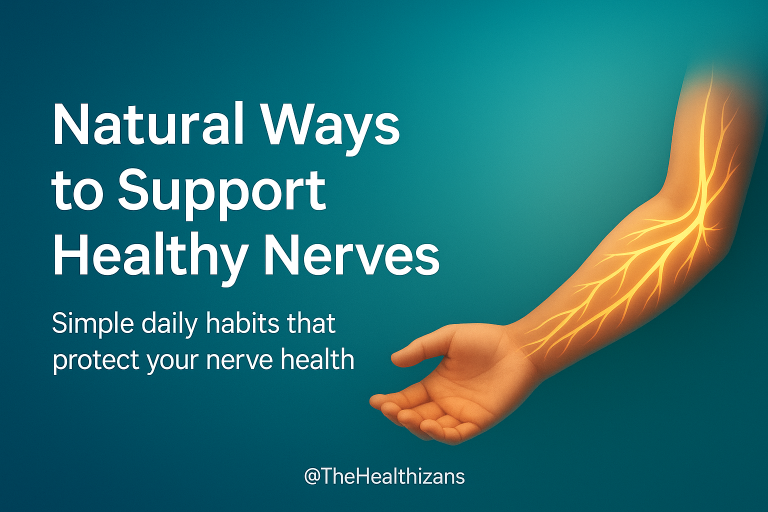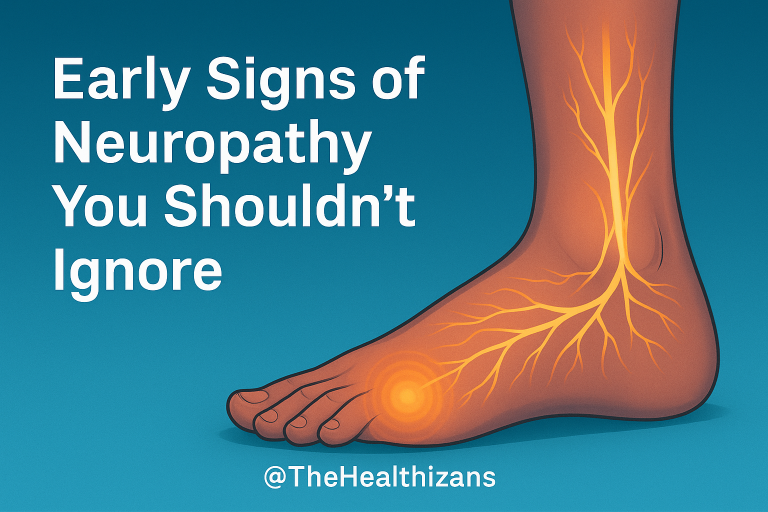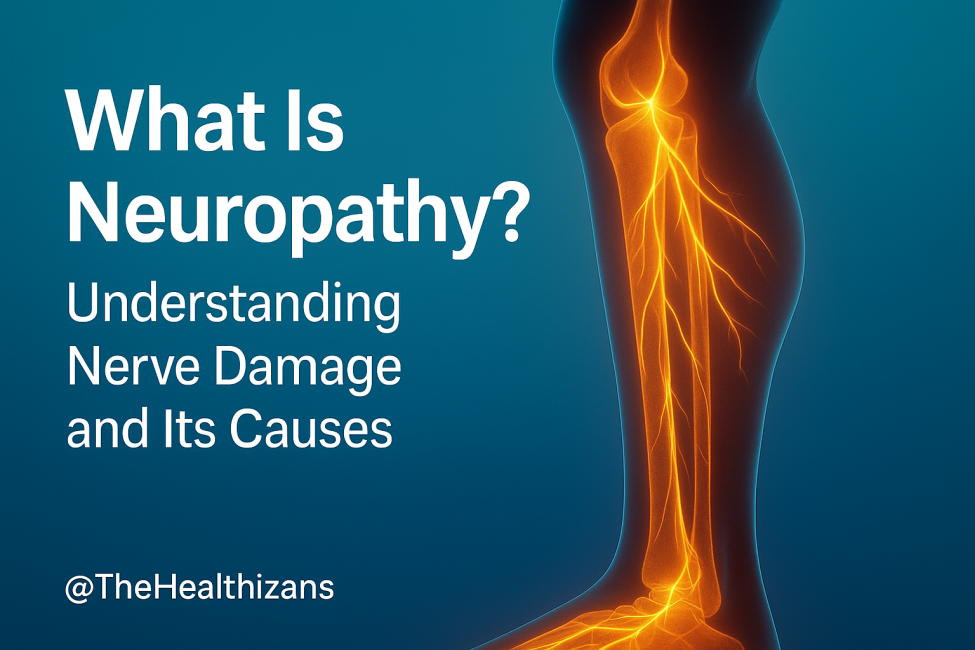
Ever felt a strange tingling, burning, or “pins-and-needles” sensation in your hands or feet? You’re not alone. These may be early signs of neuropathy — nerve damage that affects how signals travel between your brain, spinal cord, and the rest of your body.
Neuropathy isn’t one single disease but rather a broad group of conditions that can disrupt sensation, movement, or organ function. According to the World Health Organization (WHO), millions worldwide experience some form of peripheral neuropathy, most often linked to diabetes, infections, or vitamin deficiencies.
⚡ How Your Nerves Work
Your nervous system has three main parts:
- Sensory nerves – carry messages like touch, temperature, and pain.
- Motor nerves – control your muscles and movement.
- Autonomic nerves – manage automatic functions like heartbeat, digestion, and sweating.
When these nerves are damaged, the messages they send become distorted or blocked, leading to tingling, numbness, burning pain, weakness, or even balance problems.
🩸 Types of Neuropathy
There are several types, depending on which nerves are involved:
- Peripheral neuropathy – affects hands, feet, arms, and legs; the most common form.
- Autonomic neuropathy – impacts internal organs (heart, digestion, bladder).
- Focal neuropathy – targets a single nerve, often suddenly (for example, in the wrist or face).
🔍 Common Causes of Neuropathy
- Diabetes mellitus – the leading cause worldwide. Long-term high blood sugar levels damage nerve endings and blood vessels. (Also, check out our piece on 👉 How to Prevent Blood Sugar Spikes After Meals for more on this link.)
- Vitamin deficiencies – especially B1, B6, B12, E, and niacin.
- Alcohol use – can cause toxic nerve damage and nutrient loss.
- Infections – such as shingles (herpes zoster), HIV, and Lyme disease.
- Medications and toxins – including some chemotherapy drugs and heavy metals.
- Autoimmune conditions – like lupus or Guillain-Barré syndrome.
- Physical injury or pressure on nerves – for example, carpal tunnel syndrome or spinal damage.
Sometimes, the cause remains idiopathic – meaning unknown – but lifestyle factors and underlying diseases often play a key role.
🧩 Recognising the Symptoms
Typical signs include:
- Numbness or reduced ability to feel pain or temperature
- Burning, tingling, or electric-shock sensations
- Muscle weakness or cramps
- Poor balance or coordination
- Digestive, bladder, or heart-rate problems (in autonomic neuropathy)
If symptoms persist or worsen, it’s vital to see a GP or neurologist for assessment. Early detection can slow or even reverse some forms of nerve damage.
🌿 Can It Be Prevented or Managed?
Yes — in many cases. Healthy lifestyle habits support nerve health:
- Keep blood sugar levels steady if you have diabetes.
- Eat a balanced diet rich in B-vitamins and omega-3 fatty acids.
- Limit alcohol and avoid smoking.
- Stay physically active to boost circulation and nerve repair.
- Manage chronic conditions and get regular check-ups.
For some, medical treatments – like B-vitamin supplements, pain-relief medications, or physiotherapy – can greatly improve comfort and mobility.
💬 What’s Next?
In our next article, we’ll explore “Early Signs of Neuropathy You Shouldn’t Ignore” — so you can spot the red flags before they progress.
🗨️ What’s Your Take?
Have you or someone you know experienced tingling or numbness in your hands or feet? What helped most with relief or prevention? Share your experience in the comments — your story might help someone else.
📚 Sources
- World Health Organization (WHO) – Neurological Disorders and Public Health Priorities
- NHS UK – Peripheral Neuropathy: Causes, Symptoms and Treatment
- American Diabetes Association (ADA) – Diabetic Neuropathy Overview
- Mayo Clinic – Peripheral Neuropathy: Symptoms and Causes
- Cleveland Clinic – Neuropathy: Causes, Symptoms, and Treatments
About the Author