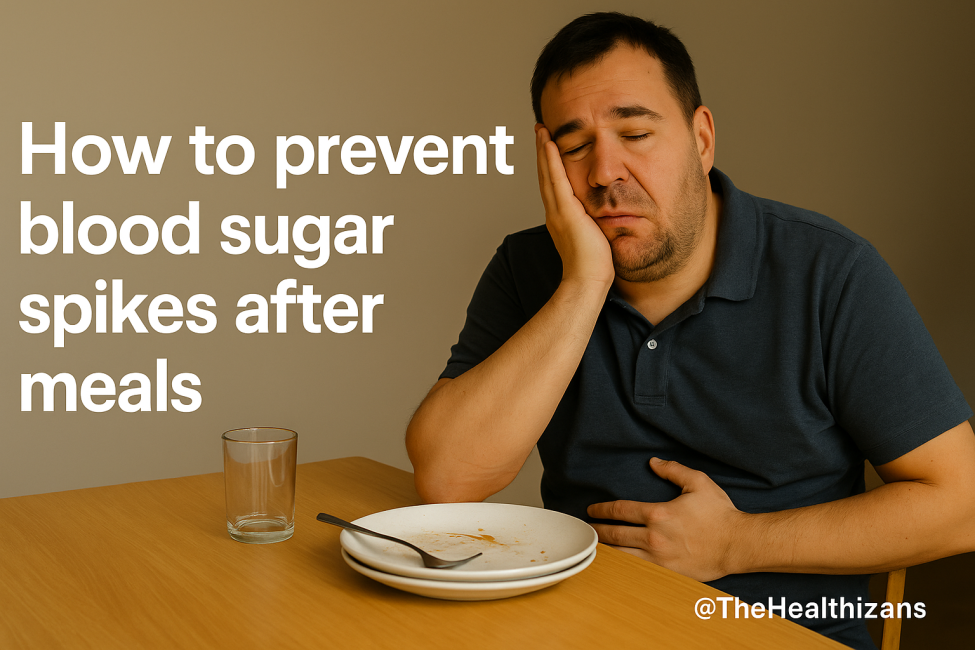
Ever feel sleepy or sluggish after eating? That mid-afternoon crash or post-lunch fog isn’t just in your head — it could be a sign of a blood sugar spike, followed by a rapid dip. While it’s normal for glucose to rise after meals, repeated or extreme spikes can leave you tired, craving sweets, and, over time, increase your risk of type 2 diabetes, heart disease, and weight gain.
Understanding how to prevent blood sugar spikes after meals can help you stay energised, control cravings, and protect your long-term health.
🧠 Why Do Blood Sugar Spikes Happen?
After eating, especially carbohydrate-rich foods, your body breaks those carbs into glucose. That glucose enters your bloodstream, prompting your pancreas to release insulin, the hormone that helps cells absorb and use that sugar.
But when too much glucose floods your blood at once, insulin can’t keep up. The result? A quick blood sugar spike, followed by a sudden drop — leaving you tired, hungry, or moody.
⚡ Common Triggers of Post-Meal Spikes
- Meals high in refined carbs (white rice, white bread, pastries)
- Sugary drinks with meals (sodas, sweetened teas)
- Overeating after skipping meals
- Low-fibre or low-protein meals
- Sitting still right after eating
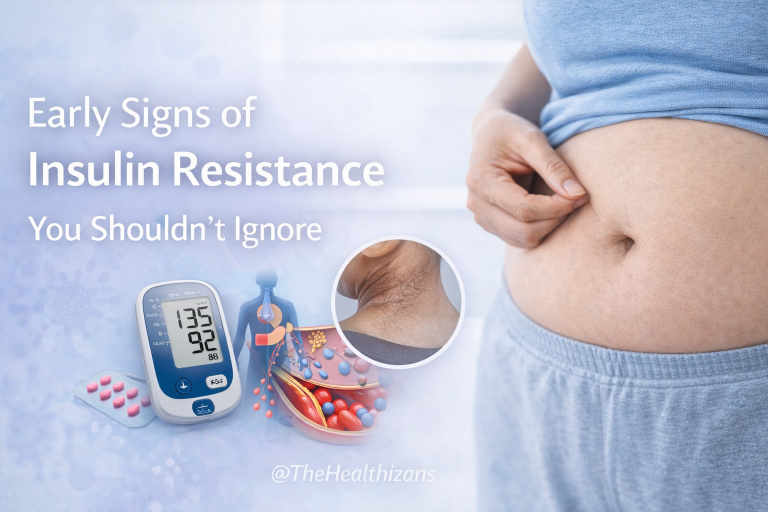
Repeated spikes like these can contribute to insulin resistance, where your cells stop responding effectively to insulin — a key driver of diabetes and weight gain.
👉 To understand why maintaining balanced glucose matters, see our article Understanding Blood Sugar: What It Is and Why It Matters.
⚠️ Signs You’re Experiencing a Blood Sugar Spike (and Crash)
You may notice:
- Sudden sleepiness or fatigue after eating
- Brain fog or poor concentration
- Intense hunger soon after a meal
- Irritability or mood swings
- Cravings for sweets or extra carbs
If these symptoms sound familiar, your post-meal glucose could be fluctuating more than you realise.
✅ How to Prevent Blood Sugar Spikes After Meals
The goal isn’t to fear food — it’s to balance your meals and timing so your blood sugar rises gradually and stays stable.
🌿 1. Start with Fibre or Vegetables
Eating vegetables first slows digestion and reduces the glucose surge from carbs. Many traditional cuisines already follow this pattern — think:
- 🥢 Miso soup or pickled veggies before rice in Japan
- 🥬 Ugu or okra soup before eba in Nigeria
- 🥗 Salads or raw chutneys before rice in India
🍽️ 2. Pair Carbs with Protein or Healthy Fats
Adding protein or healthy fats slows glucose absorption and keeps you full longer. Try:
- Rice + beans or lentils
- Bread + avocado or eggs
- Fruit + Greek yogurt or nuts
📏 3. Watch Your Portions
Even whole grains can raise blood sugar if eaten in large amounts. Aim for:
- ½ plate vegetables
- ¼ plate protein
- ¼ plate complex carbs
🍠 4. Go Whole, Not Refined
Choose whole grains, legumes, and minimally processed carbs to promote slow energy release:
- Whole oats > instant oats
- Brown or wild rice > white rice
- Boiled sweet potatoes > fried chips
- Whole fruit > juice
🚶 5. Move After Meals
A 10–15 minute walk after eating helps muscles absorb glucose, reducing spikes. A 2022 study in Diabetes Care Journal found this simple habit improves post-meal glucose control globally.
🥛 6. Limit Sugary Drinks with Meals
Sugary beverages rapidly spike blood sugar without satisfying hunger. Choose water, lemon-infused water, or unsweetened herbal tea instead.
⏰ 7. Don’t Skip Meals
Skipping meals leads to over-eating later, creating large glucose surges. Eat balanced meals or snacks every 4–5 hours to maintain steady energy.
🌍 Universal Habits, Local Foods
Whether you’re eating nasi lemak in Malaysia, injera in Ethiopia, or pasta in Italy, these habits work everywhere. You don’t need to abandon cultural favourites — just adjust the order, portion, and pairings.
Examples:
- In India – Start with dal and vegetables before rice.
- In Kenya – Begin with sukuma wiki (kale) before ugali and protein.
- In Nigeria – Have more of okra or vegetable soup, lean meat or fish with eba.
🧠 Final Thought: It’s About the Long Game
Balancing your blood sugar isn’t about restriction — it’s about rhythm.
A few mindful tweaks in how and what you eat can dramatically improve your energy, focus, and long-term health. Start with one small change at each meal.
💬 Share this with a friend or loved one who might be struggling with sugar swings.
📲 And follow @TheHealthizans for more evidence-based tips to nourish your body and mind.
📚 Sources
- World Health Organization (2023). Healthy Diets: Reducing Chronic Disease Risk – Global guidance on balanced diets and reducing diet-related diseases.
- Harvard Health Publishing (2022). Carbohydrates and Blood Sugar – Explains how different carbs affect glucose response.
- Centers for Disease Control and Prevention (2022). Preventing Glucose Spikes After Meals – Practical guidance on diet and post-meal glucose management.
- Diabetes Care Journal (2022). Postprandial Glucose Control in Global Contexts – Research confirming benefits of light physical activity after meals.
About the Author