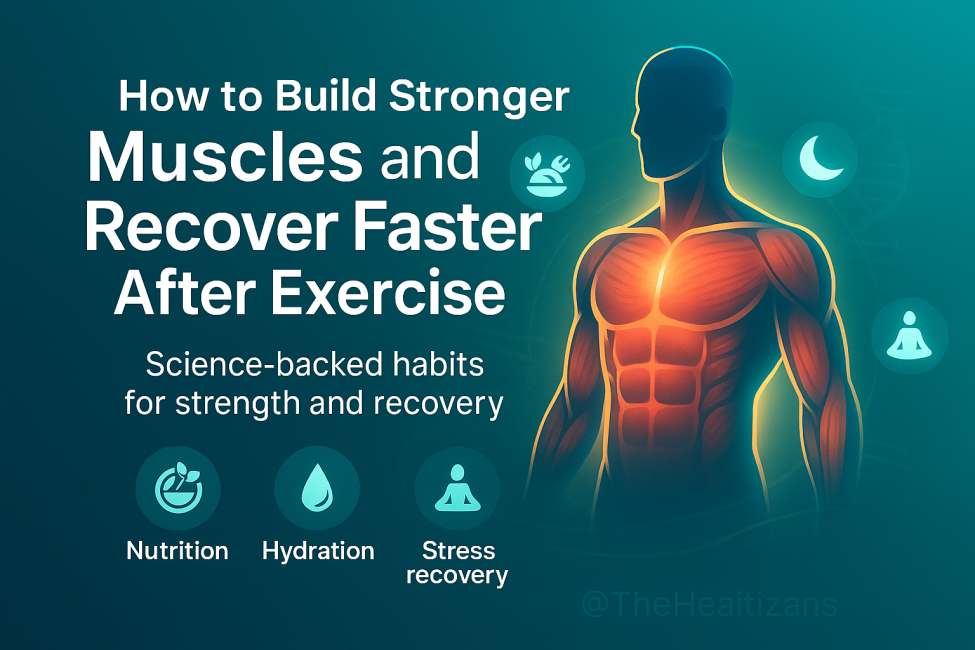
Muscles don’t just make you look fit — they protect your joints, improve balance, and even help control blood sugar. But real progress happens after your workout, when your body repairs and strengthens tiny muscle fibres that were challenged during exercise.
Understanding how to build stronger muscles and recover faster is key to avoiding injury, boosting performance, and staying consistent. Let’s break down the science — and the smart habits that make all the difference.
🧬 The Science of Muscle Growth
When you lift, stretch, or move against resistance, microscopic tears form in your muscle fibres.
Your body immediately gets to work:
1️⃣ Inflammation kicks in to clear away damaged tissue.
2️⃣ Protein synthesis ramps up to rebuild fibres thicker and stronger.
3️⃣ Recovery systems restore energy stores like glycogen.
This process — called muscle hypertrophy — depends on three key factors:
- Progressive overload (challenging your muscles gradually)
- Proper nutrition
- Adequate recovery time
⚡ What You Can Do to Build Stronger Muscles
🏋️ 1. Challenge Your Muscles — But Don’t Overdo It
- Use weights or resistance bands that make the last 2–3 reps tough but safe.
- Alternate muscle groups (e.g., upper body one day, lower body the next) to allow recovery.
- Don’t skip rest days — muscles grow when you’re resting, not when you’re lifting.
💡 Tip: Overtraining can cause fatigue, sleep problems, and even suppress immunity — see our piece on “Simple Habits to Strengthen Your Immune System Naturally.”
🥗 2. Fuel Up with the Right Nutrition
Muscle growth is impossible without proper nutrition. Focus on:
- Protein: eggs, fish, chicken, beans, tofu. Aim for 1.2–2.0 g per kg of body weight daily.
- Carbohydrates: to replenish glycogen and keep energy steady.
- Healthy fats: for hormone balance (avocados, nuts, olive oil).
- Micronutrients: iron, magnesium, and vitamin D all aid repair.
🍽️ Post-workout tip: A protein-rich meal or shake within 60 minutes of exercise helps jump-start recovery.
💧 3. Stay Hydrated — Inside and Out
Water helps transport nutrients to your muscles and remove waste. Even mild dehydration can reduce endurance and slow recovery.
- Drink regularly throughout the day — not just at the gym.
- Include electrolyte-rich drinks after heavy sweating.
💤 4. Prioritise Sleep and Recovery
Growth hormone — your body’s natural repair signal — peaks during deep sleep.
- Aim for 7–9 hours nightly.
- Try gentle stretching, yoga, or a light walk on rest days to promote circulation.
- Schedule at least one full rest day per week.
🚭 5. Avoid Habits That Stall Progress
- Smoking limits oxygen delivery to muscles.
- Excessive alcohol disrupts protein synthesis.
- Skipping meals slows recovery.
Small daily changes compound into long-term results.
🧘 The Mind–Body Connection
Mental stress releases cortisol — a hormone that can break down muscle tissue. Incorporate relaxation routines such as breathing exercises or short meditations to keep stress in check.
💡 Quick Takeaway
Building muscle isn’t about intensity alone — it’s about balance: challenge, nourish, rest, and recover. When you treat recovery as part of training, you’ll see more strength, energy, and confidence in every movement.
💬 What’s Your Take?
Have you ever noticed faster progress when you focused on recovery instead of pushing harder? Share your thoughts — your tip could help someone train smarter!
📚 Sources
- NHS – Exercise Guidelines and Muscle Health
- National Institutes of Health – Protein and Muscle Synthesis Research
- American College of Sports Medicine – Recovery and Overtraining Guidelines
- World Health Organization – Physical Activity and Health Recommendations
About the Author