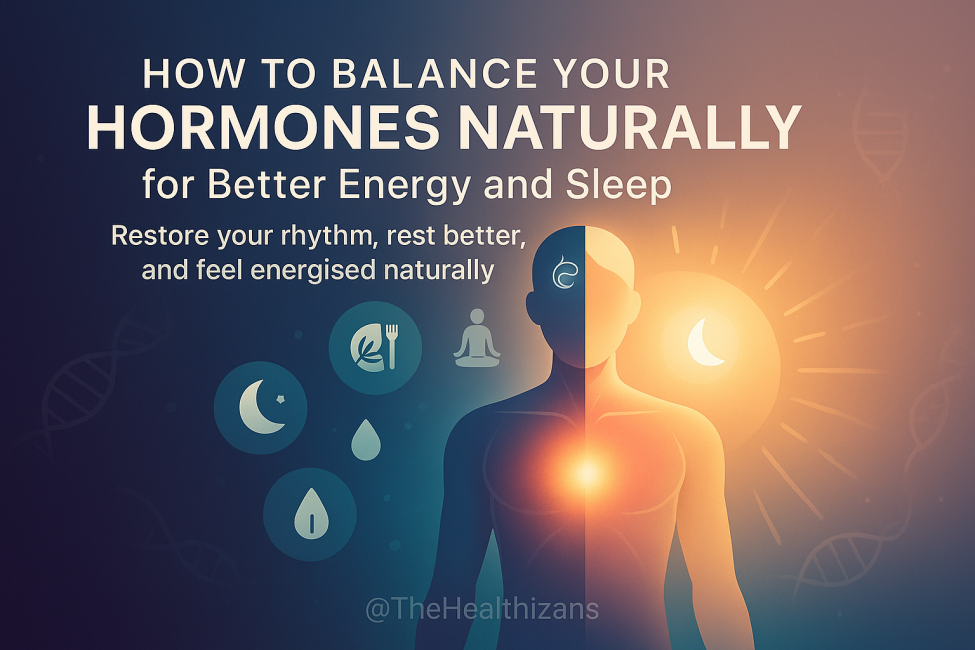
If you’ve ever felt tired all day but restless at night, your hormones might be whispering for attention. Hormones are your body’s chemical messengers — they regulate energy, sleep, mood, appetite, and stress. When they’re balanced, you feel steady and clear-headed. When they’re not, you might face fatigue, irritability, weight changes, or disrupted sleep.
The good news? You can learn how to balance your hormones naturally for better energy and sleep — no expensive treatments required, just consistent, mindful habits that work with your body’s rhythm.
🧠 1. Understand Your Hormonal Rhythm
Your hormones follow a 24-hour body clock — known as the circadian rhythm.
- Morning: Cortisol rises naturally to help you wake up.
- Afternoon: Insulin and thyroid hormones keep energy stable.
- Evening: Melatonin and growth hormone prepare your body for rest and repair.
When this rhythm gets disrupted — by poor sleep, late-night screen use, stress, or irregular meals — your hormones can lose sync.
🌞 Tip: Try waking up and going to bed at the same time daily. Your hormones thrive on routine.
🥗 2. Eat for Hormonal Harmony
Food is more than fuel — it’s information your body uses to make and regulate hormones.
Choose:
- Healthy fats (avocado, nuts, olive oil) to support oestrogen and progesterone balance.
- Fibre-rich foods (vegetables, oats, legumes) to stabilise blood sugar.
- Protein with every meal to support thyroid and cortisol balance.
- Cruciferous veggies (broccoli, kale) to help the liver detox excess hormones.
Limit:
- Processed sugars and refined carbs (spike insulin).
- Excess caffeine (raises cortisol).
- Alcohol (disrupts sleep and liver function).
🥦 See also: Simple Habits to Strengthen Your Immune System Naturally — many of the same foods boost both immunity and hormonal balance.
💤 3. Prioritise Quality Sleep
Your body releases melatonin at night to trigger deep rest — and growth hormone to repair muscles and cells. Too little sleep disrupts both, increasing fatigue and stress hormones the next day.
To reset your hormonal clock:
- Keep lights dim 1 hour before bed.
- Avoid phone screens — blue light suppresses melatonin.
- Keep your room cool, dark, and quiet.
- Aim for 7–9 hours nightly.
🌙 Rest isn’t lazy — it’s your body’s most powerful hormone regulator.
🧘 4. Manage Stress — Protect Your Cortisol
Cortisol is your “get up and go” hormone, but constant stress keeps it elevated. Over time, this can lead to adrenal fatigue, anxiety, or insomnia.
Try:
- Mindful breathing or guided meditation.
- Regular physical activity (even light walks).
- Saying “no” when needed — boundaries protect your energy.
😌 Balanced cortisol helps balance everything else — from thyroid to reproductive hormones.
🏋️ 5. Move Your Body (But Don’t Overdo It)
Exercise improves insulin sensitivity and reduces excess oestrogen — both crucial for hormone harmony.
- Choose moderate activity like brisk walking, yoga, or cycling.
- Include strength training 2–3 times weekly.
- Avoid overtraining — too much high-intensity exercise can raise cortisol and harm recovery.
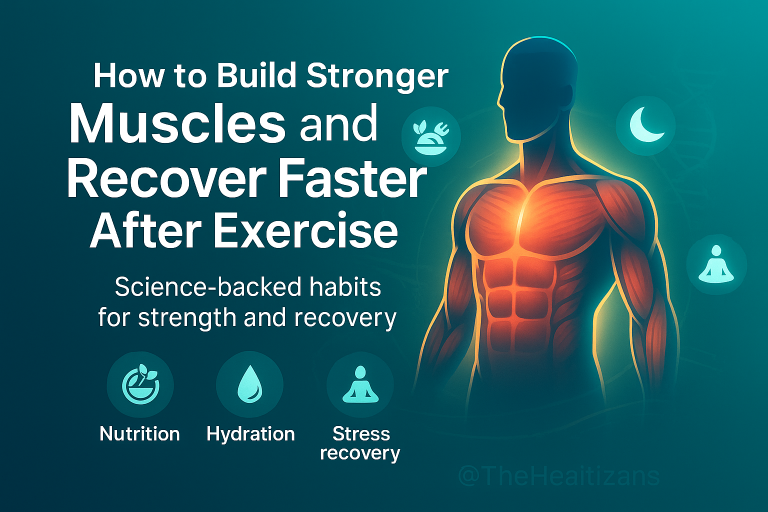
💪 See our guide on How to Build Stronger Muscles and Recover Faster After Exercise for balanced training tips.
💧 6. Stay Hydrated
Water helps regulate temperature, digestion, and hormone transport.
Dehydration can slow metabolism and make you feel sluggish or moody.
Aim for 6–8 glasses per day, more if you exercise or live in warm weather.
🌿 7. Support Your Liver and Gut
Your liver breaks down and eliminates old hormones, while your gut microbiome helps maintain balance.
Support both by:
- Eating high-fibre foods daily.
- Including fermented foods like yoghurt or kefir.
- Drinking plenty of water.
- Avoiding unnecessary medications or alcohol when possible.
💡 Quick Takeaway
Balancing your hormones naturally isn’t about perfection — it’s about consistency.
Eat real food, manage stress, rest deeply, move mindfully, and listen to your body’s signals.
When your hormones are balanced, your energy feels stable, your mind feels clear, and your sleep feels restorative.
💬 What’s Your Take?
Have you noticed a habit that helps your energy or sleep improve?
Share your experience below — your insight could help someone else rebalance their rhythm!
📚 Sources
- Harvard Health – How Sleep and Stress Affect Hormones
- NHS – Understanding Hormones and Health
- World Health Organization – Physical Activity and Wellbeing
- Cleveland Clinic – Natural Ways to Balance Hormones
About the Author