Water is often hailed as the ultimate health drink — but how much do we really need each day? Is it the classic “8 glasses”? Or does hydration depend on our body size, activity, and even climate?
In this article, we cut through the confusion and break down what your body truly needs to stay hydrated — based on science, not guesswork. 🌍🧪
🧠 Why Hydration Matters So Much
Water plays a vital role in every system of your body. It:
- Regulates body temperature 🌡️
- Cushions joints and organs 🦴
- Aids digestion and nutrient absorption 🍽️
- Flushes out toxins via kidneys 🧼
- Keeps skin supple and healthy ✨
- Supports cognitive performance and energy ⚡
Even mild dehydration (as little as 1–2% of body weight) can impair mood, concentration, and physical performance.
📊 The Real Numbers: How Much Water Do You Actually Need?
There’s no one-size-fits-all answer. But here’s a global guideline:
| Group | Daily Fluid Intake (from all sources incl. food) |
|---|---|
| Adult women | ~2.0–2.7 litres (about 8–11 cups) |
| Adult men | ~2.5–3.7 litres (about 10–15 cups) |
| Children | ~1.0–1.7 litres depending on age |
| Older adults | Same as adults, but monitor more closely due to reduced thirst signals |
| Pregnant/breastfeeding women | Add an extra 0.3–0.7 litres/day |
Note: About 20–30% of our fluid comes from food (especially fruits and vegetables), so not all must be from drinks alone.
🧾 Factors That Change Your Hydration Needs
🕶️ Hot or Humid Weather – You lose more water through sweat.
🏃 Physical Activity – Even light walking increases fluid loss.
🤒 Illness or Fever – Vomiting, diarrhoea, or infections increase fluid requirements.
🍵 Caffeine & Alcohol – These can have mild diuretic effects.
🍼 Pregnancy & Breastfeeding – Your body needs extra fluid to support your baby.
🚰 What Counts as Fluid?
It’s not just plain water!
✅ Water
✅ Herbal teas
✅ Low-fat milk
✅ Fruit-infused water
✅ Soups and broths
✅ Water-rich fruits (like watermelon, cucumber, oranges)
❌ Sugary drinks and energy drinks hydrate but come with health risks if overused. Moderation is key.
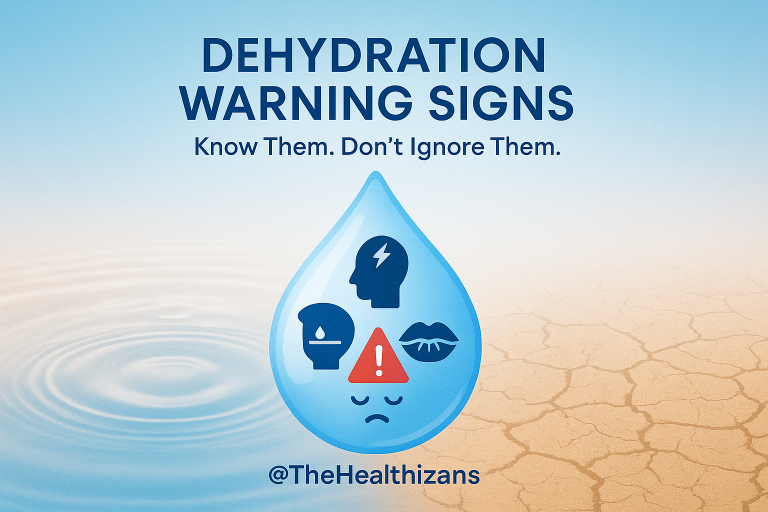
🛑 Signs You’re Not Drinking Enough
Watch out for:
- Dry mouth and lips
- Headaches or dizziness
- Dark yellow urine
- Fatigue or irritability
- Constipation
- Difficulty concentrating
If you wait until you’re thirsty, you may already be mildly dehydrated.
🧘♀️ Tips for Building a Hydration Habit
- Start your morning with a glass of water
- Carry a reusable bottle with you
- Use hydration reminder apps or water-tracking bottles
- Flavour your water with lemon, mint, or cucumber
- Sip throughout the day, not just at meals
- Drink more when exercising or in the heat
🌎 A Global Wellness Tip
Different cultures approach hydration differently — from sipping hot teas in East Asia to drinking buttermilk in India. The key lesson? Hydration can be simple, local, and sustainable. You don’t need to chase trends — just drink water that’s accessible and safe.
✅ Quick Recap
📌 Your water needs depend on age, size, activity, health, and climate
📌 Don’t rely on thirst alone — build a habit
📌 Mix it up with soups, fruits, herbal teas, and infused water
📌 Watch for signs of dehydration and adjust accordingly
💬 What’s Your Take?
Do you track your water intake or just go with the flow?
Have you found clever ways to stay hydrated throughout the day?
Share your hydration hacks with the community — let’s learn from each other! 🌱
📚 Sources
- National Academies of Sciences, Engineering, and Medicine. Dietary Reference Intakes for Water, Potassium, Sodium, Chloride, and Sulfate.
- NHS. How to Stay Hydrated – www.nhs.uk/live-well
- World Health Organization (WHO). Nutrition Advice for Adults During COVID-19.
About the Author