When it comes to exercise advice, cardio often comes with mixed messages. Some say you need to run every day. Others swear that short bursts are enough. Meanwhile, many people worry they’re either doing too little to protect their heart — or too much and risking burnout or injury.
So, how much cardio do you really need for heart health?
The answer is reassuringly achievable — and backed by strong global evidence.
Why Cardio Matters for Your Heart
Cardio exercise — also called aerobic activity — is any movement that raises your heart rate and keeps it elevated for a period of time. This includes walking, cycling, swimming, dancing, jogging and similar activities.
Regular cardio strengthens the heart muscle itself. Over time, the heart becomes more efficient at pumping blood, oxygen delivery improves, and blood vessels become more flexible. This leads to lower resting heart rate, improved circulation and reduced strain on the cardiovascular system.
Consistently active people have a lower risk of heart disease, stroke, high blood pressure and heart failure. Importantly, the benefits extend well beyond the heart — improving mood, sleep quality and metabolic health.
The Evidence-Based Answer: How Much Is Enough?
Global health bodies are remarkably consistent in their guidance.
Most adults need at least 150 minutes of moderate-intensity cardio per week
—or—
75 minutes of vigorous-intensity cardio per week
This can also be done as a combination of both.
Moderate-intensity cardio includes brisk walking, steady cycling or swimming at a comfortable pace where you can talk but not sing. Vigorous activity includes running, fast cycling or high-intensity sports where talking becomes difficult.
Crucially, this doesn’t need to happen all at once. You can spread activity across the week in short, manageable sessions.
What This Looks Like in Real Life
For many people, heart-healthy cardio can look surprisingly simple:
- 30 minutes of brisk walking, 5 days a week
- Three 10-minute walks spread across the day
- A mix of cycling, swimming and fast-paced housework
- Shorter sessions of higher-intensity exercise if preferred
Consistency matters more than perfection. The heart responds to regular movement, not occasional bursts of extreme effort.
Is More Cardio Better for Heart Health?
Up to a point, yes — but more is not always better.
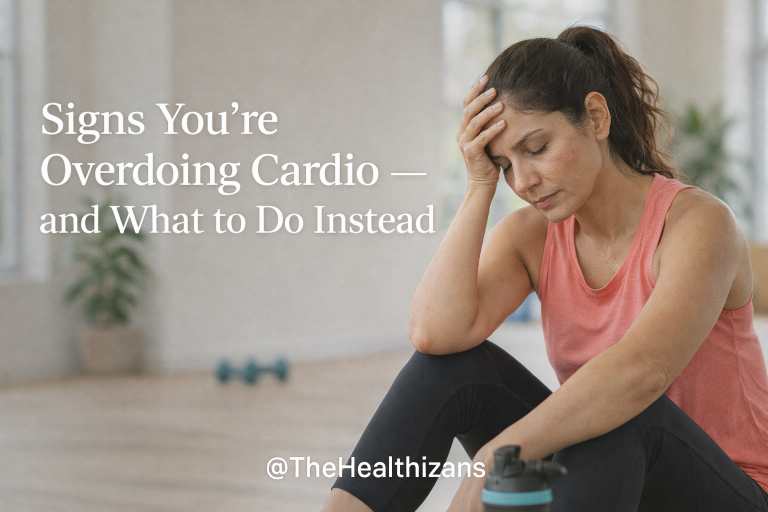
Doing more than the minimum recommendations can provide additional benefits, especially for fitness and weight management. However, excessive cardio without adequate recovery may increase injury risk, fatigue and stress — particularly if strength training and rest are neglected.
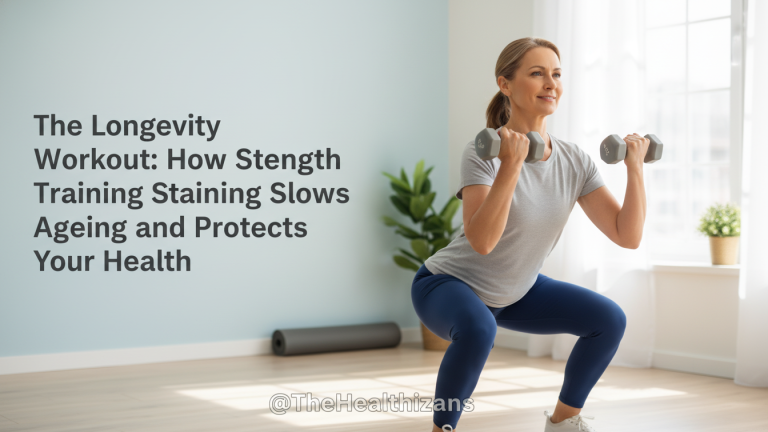
Balance is key. Research increasingly shows that combining cardio with resistance exercise produces the best overall heart and metabolic outcomes.
This is why strength-based movement — like resistance training — also plays a role in heart health by improving blood pressure control, glucose regulation and body composition.
What If You’re Over 40 or Just Starting Out?
If you’re new to exercise or returning after a long break, the goal isn’t to hit numbers immediately — it’s to build safely.
Start with what feels manageable. Even 10 minutes a day can begin improving cardiovascular function. Gradually increase duration or pace as fitness improves.
For people over 40, consistency and joint-friendly choices matter. Walking, cycling, swimming and low-impact aerobics are excellent options. Over time, small increases add up to meaningful heart protection.
How Cardio Fits with Other Healthy Habits
Cardio works best as part of a wider lifestyle approach. It complements:
- Strength training, which supports heart health indirectly by improving muscle and metabolic function
- Daily movement habits that reduce sedentary time
- Good sleep, which allows cardiovascular recovery
- Balanced nutrition that supports energy and circulation
If you’re interested in how lifestyle habits interact, you may also find our article on how blood pressure, cholesterol and heart health are connected useful for understanding the bigger picture.
Signs You’re Doing Enough Cardio
You may be meeting your heart-health needs if you notice:
- Improved stamina during daily activities
- Less breathlessness when walking or climbing stairs
- Better sleep and energy levels
- More stable mood and stress tolerance
You don’t need exhaustion or soreness for cardio to be effective. Feeling consistently better is often the strongest sign.
The Bottom Line
You don’t need extreme workouts to protect your heart. For most adults, 150 minutes of moderate cardio per week — broken into manageable sessions — is enough to significantly reduce cardiovascular risk.
The most heart-protective routine is one you can sustain. Regular movement, done consistently and paired with other healthy habits, remains one of the most powerful tools for lifelong heart health.
What’s Your Take?
What kind of cardio do you enjoy most — walking, cycling, swimming, or something else? Share your experience below and help inspire others to move for their heart.
Sources
- World Health Organization (WHO). Physical Activity Guidelines.
- NHS. Exercise for Heart Health.
- American Heart Association. How Much Physical Activity Do You Need?
- Harvard Health Publishing. How Much Exercise Is Enough?
About the Author