Most people have heard that high cholesterol is “bad for your heart” — but understanding why is often less clear. Cholesterol plays a quiet but powerful role in shaping your long-term cardiovascular health, influencing everything from blood flow to your risk of heart attack or stroke. Whether your diet leans traditional or modern, and whether you’re in your 20s or your 70s, knowing how cholesterol affects your heart and arteries can help you protect your health before problems arise.
Cholesterol: Essential, But Easily Misunderstood
Cholesterol itself isn’t harmful. Your body needs it to build cell membranes, produce hormones such as oestrogen and testosterone, create vitamin D, and digest fats. Your liver manufactures most of it, and food provides the rest.
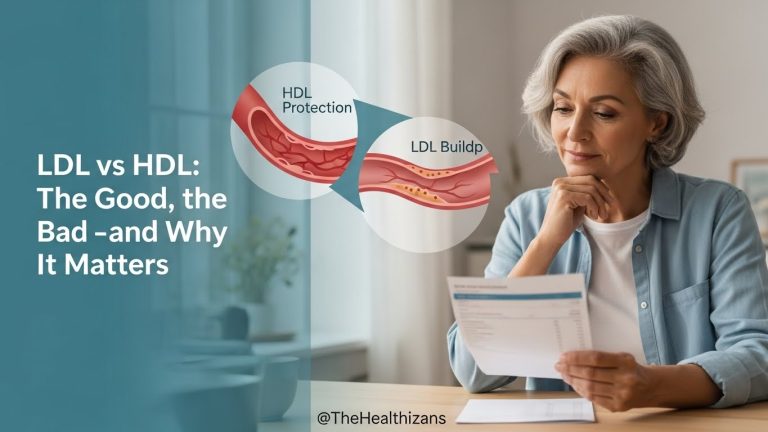
The challenge comes when the balance shifts. Too much LDL cholesterol — the type more likely to deposit in artery walls — starts a chain reaction that affects circulation throughout your body. Meanwhile, HDL cholesterol acts as the “clean-up crew,” carrying excess cholesterol away. When LDL rises and HDL drops, damage begins slowly and silently.
What Happens Inside Your Arteries
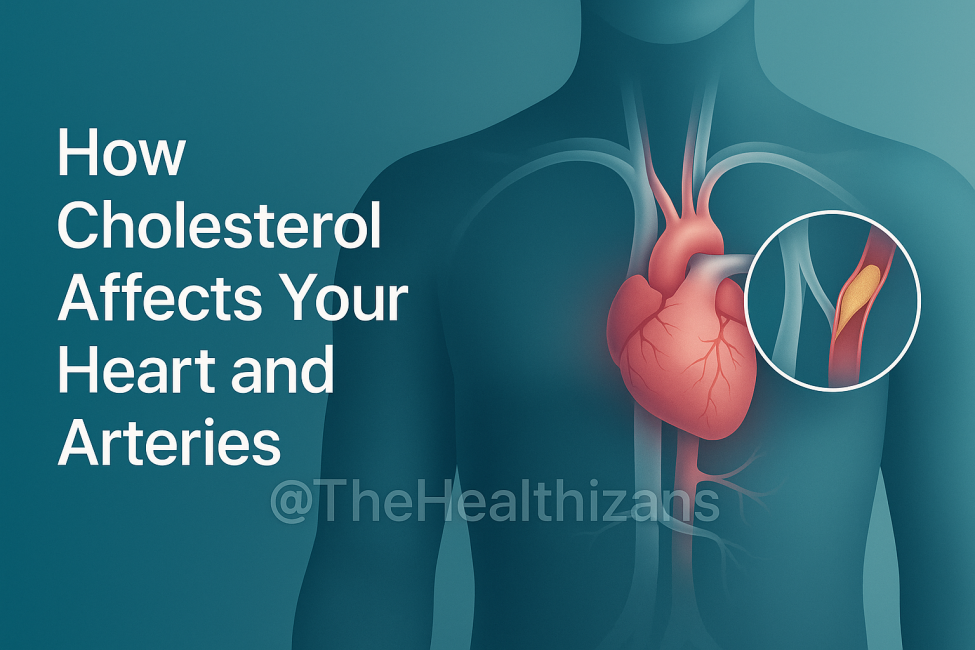
Your arteries are meant to function like wide, smooth highways, allowing blood to travel easily. When LDL cholesterol becomes too abundant, it can slip into tiny cracks in the artery lining. The body sees this as a threat and sends immune cells to respond. Inflammation develops, and over time, fatty deposits known as plaques begin to form.
As these plaques mature, they harden and narrow the artery. The once-smooth “highway” becomes a restricted path. Blood has less room to flow, and the heart must pump harder to circulate oxygen throughout the body. This process, called atherosclerosis, builds quietly over years, typically without symptoms.
How This Affects the Heart
When arteries supplying the heart become narrowed, the oxygen reaching the heart muscle decreases. You might feel this as chest discomfort, pressure, or tightness during activity — a condition known as angina. If a plaque ruptures, a clot can form suddenly and block a coronary artery. This is what causes a heart attack.
This slow progression explains why people may feel completely fine until the moment a life-threatening event occurs.
For a broader understanding of how heart risks develop, you can read our related article:
How Are Blood Pressure, Cholesterol, and Heart Health Connected?
How Cholesterol Affects the Brain
The same process can happen in arteries supplying the brain. If a clot blocks blood flow long enough, brain tissue becomes starved of oxygen, leading to a stroke. High cholesterol is a major contributor to this risk, particularly when combined with other factors such as high blood pressure, smoking, diabetes, or lack of physical activity.
The Global Reality
High cholesterol is not limited to any one country. The World Health Organization estimates that one-third of global ischaemic heart disease cases are linked to raised cholesterol. In the UK, around 60% of adults over 30 have levels above recommended limits. In Nigeria’s urban communities, one in five adults shows borderline or high cholesterol. Across South-East Asia, nearly 40% of adults have raised total cholesterol.
Urbanisation, processed foods, and increasingly sedentary lifestyles are accelerating the trend worldwide.
When the Risk Becomes Greater
Cholesterol rarely acts alone. Its impact becomes far more dangerous when paired with other factors such as smoking, high blood pressure, obesity, diabetes or insulin resistance, chronic stress, or long periods of inactivity. These conditions increase inflammation and make plaques more unstable, raising the chance of heart attack or stroke.
What You Can Do to Protect Your Arteries
The encouraging news is that cholesterol is highly manageable — and even small changes can improve artery health.
A heart-friendly diet is a powerful foundation. Meals rich in vegetables, whole grains, legumes, lean protein, and healthy fats help stabilise cholesterol levels. Regular exercise keeps arteries flexible and improves the balance between LDL and HDL. Avoiding smoking, maintaining a healthy weight, moderating alcohol intake, and getting cholesterol checked regularly all make a meaningful difference. And when medication such as statins is recommended, it can offer strong additional protection.
Managing cholesterol isn’t about strict rules or fear — it’s about giving your heart and arteries the conditions they need to stay healthy over a lifetime.
Final Thought
Cholesterol is constantly influencing how well your heart and arteries function. It doesn’t cause harm overnight; it shapes your cardiovascular future gradually and quietly. The more you understand how cholesterol affects your heart and arteries, the better prepared you are to make informed, preventive choices that safeguard your long-term health.
Sources
- World Health Organization (2023). Global Health Observatory: Cholesterol
- American Heart Association. Understanding Cholesterol’s Role in Atherosclerosis
- British Heart Foundation. Cholesterol and Cardiovascular Disease
- Nigerian Journal of Clinical Practice (2021). Urban Cholesterol Patterns in West Africa
- The Lancet Global Health (2022). Cholesterol Burden in Asia: Systematic Review
About the Author