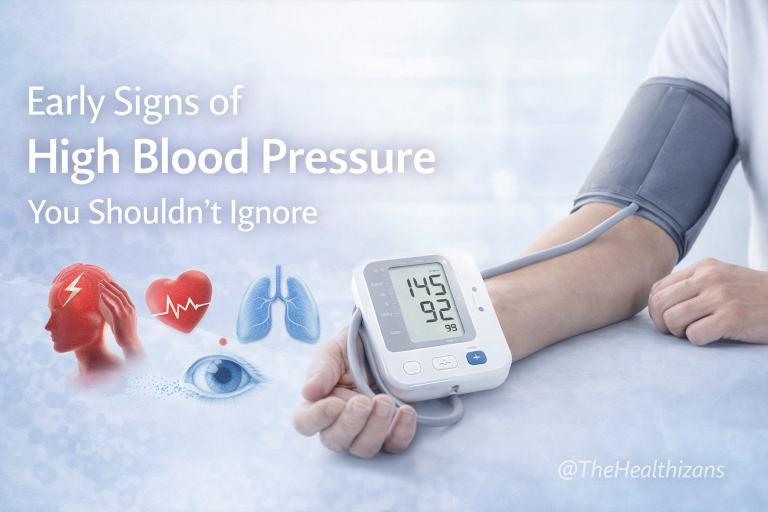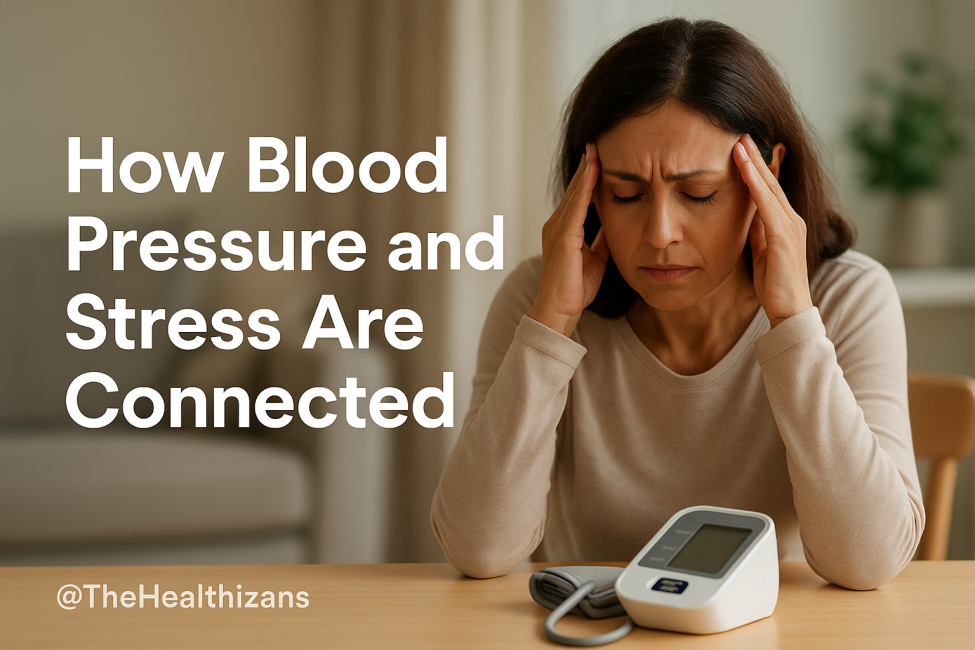
Stress and high blood pressure often show up together — but many people don’t realise just how closely linked they are. Whether you’re dealing with work pressure, family responsibilities, financial stress, or the fast pace of daily life, understanding how blood pressure and stress are connected can help you protect your heart long before problems arise.
The relationship isn’t just emotional; it’s deeply biological. Stress changes your hormones, blood vessels, and even your behaviours — all of which influence your blood pressure. Let’s break down what’s really happening inside your body, and more importantly, what you can do about it.
Why Stress Affects Your Blood Pressure in the First Place
When you feel stressed, your body activates the sympathetic nervous system — the system responsible for the “fight-or-flight” response. The moment your brain interprets a situation as stressful, it triggers a rapid release of adrenaline and cortisol.
These hormones:
- speed up your heart rate,
- tighten your blood vessels,
- increase the force of each heartbeat, and
- redirect energy away from digestion and toward muscle activity.
This creates a temporary surge in blood pressure — a useful reaction when you’re running from danger but less helpful during work emails, family arguments, or late-night deadlines.
If stress is short-lived, your blood pressure returns to normal quickly.
But if stress becomes part of your everyday life, your cardiovascular system stays activated far longer than it should. That’s when the real problems begin.
(For a deeper look at what happens in your body during stress, see our article The Science of Stress: What Really Happens in Your Body.)
The Hidden Path from Stress to Hypertension
The connection isn’t only hormonal — it’s also behavioural. Chronic stress often leads to habits that push blood pressure higher over time. Many people unconsciously start eating more salty, sugary, or fatty foods. Sleep becomes fragmented, physical activity drops, and some turn to alcohol or cigarettes for temporary relief.
All of these factors influence long-term blood pressure regulation.
In addition, stress affects your body’s ability to manage inflammation, constriction of blood vessels, and fluid balance — mechanisms closely tied to hypertension. Over time, the constant strain on your cardiovascular system increases your risk of heart disease, stroke, and kidney problems.
Stress may not “cause” hypertension on its own, but it creates the perfect environment for it to grow.
What Global Health Data Tells Us
The relationship between stress and high blood pressure is consistent across countries and cultures.
- WHO reports show stress as a major contributor to cardiovascular disease worldwide, especially in urban and high-pressure work environments.
- In Nigeria, studies highlight that intense job-related stress and economic pressures significantly influence rising hypertension rates.
- In the UK, more than 70% of adults report stress affecting their physical health, often with elevated blood pressure as one of the earliest signs.
- Across Asia, especially in high-density cities like Tokyo and Seoul, chronic overwork and long commutes have been linked to hypertension even in younger adults.
Despite different triggers, the biological response is universal.
How to Break the Stress–Blood Pressure Cycle
You cannot eliminate stress completely, but you can re-train your body to respond differently — and protect your blood vessels in the process.
1. Interrupt the stress response with deep breathing – Deep, slow breathing activates the parasympathetic nervous system — your body’s natural calming system. Even 1–2 minutes can lower heart rate and ease blood vessel tension.
2. Move your body daily – Exercise is one of the most effective ways to lower stress hormones and regulate blood pressure. Walking, stretching, dancing, or yoga all count.
3. Prioritise the quality of your sleep – Poor sleep increases cortisol, disrupts blood pressure regulation, and raises inflammation. Aim for consistent sleep-and-wake times and reduce screen-time at night.
4. Reduce stimulants – Caffeine, alcohol, and nicotine can intensify stress responses and keep your blood pressure elevated longer.
5. Create micro-breaks in your day – Short periods of stillness — even 10 minutes away from noise or screens — can reset your stress cycle.
6. Build strong social support – Talking to someone you trust, joining a support group, or seeking therapy can dramatically reduce stress-related spikes in blood pressure.
What Real-World Data Shows
Hospital data consistently shows that people with uncontrolled stress often present with higher blood pressure readings during clinic visits, particularly when experiencing burnout, financial strain, or poor sleep.
We also see that individuals who practise relaxation techniques — even simple breathing exercises — have more stable blood pressure trends over time. It’s a reminder that emotional load becomes cardiovascular load.
Final Word
Understanding how blood pressure and stress are connected empowers you to take prevention into your own hands. Stress doesn’t just live in your mind — it shows up in your arteries, your heart, and your long-term health outcomes.
Every small habit you build to manage stress is a step toward protecting your cardiovascular future.
Sources
- World Health Organization (2023). Mental Health and Noncommunicable Diseases.
- Mayo Clinic (2022). Stress and High Blood Pressure.
- American Heart Association (2023). How Stress Affects Your Heart.
- UK Mental Health Foundation (2023). Stress Statistics.
- Nigerian Journal of Psychology (2021). Workplace Stress in Urban Nigeria.
About the Author