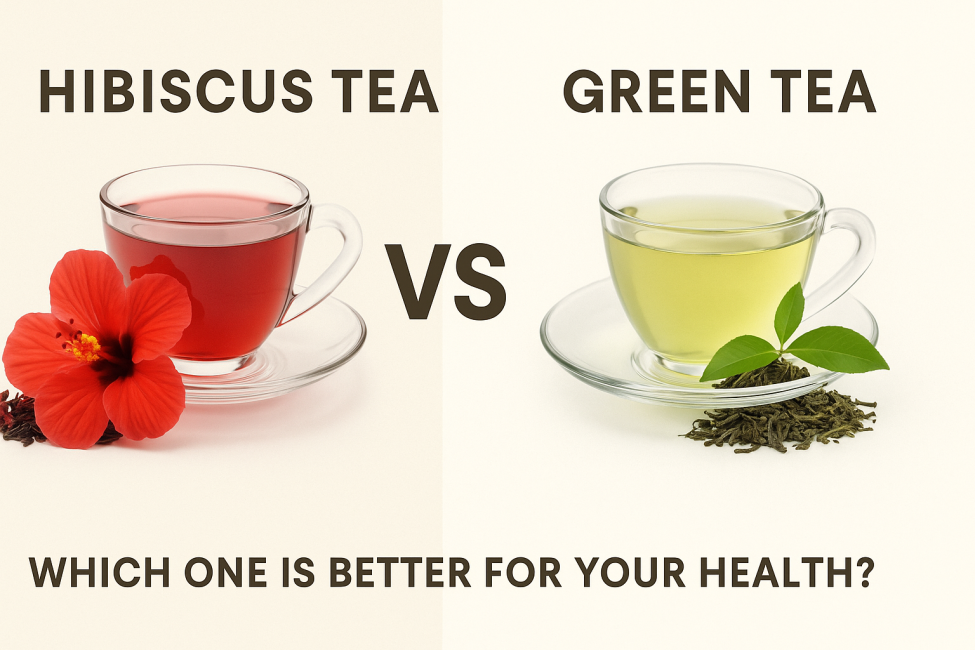
Herbal and traditional teas have become part of many people’s daily wellness routines, but two drinks stand out for their well-documented benefits: hibiscus tea and green tea. Both are rich in antioxidants and linked to reduced inflammation, improved heart health and better overall wellbeing. Yet they work differently in the body, and depending on your goals, one may suit you better than the other.
In this guide, we take a careful look at the evidence behind hibiscus tea vs green tea to help you understand what each offers and how to choose the one that aligns with your health needs.
If heart wellness is one of your priorities, you may also find our article on how blood pressure, cholesterol, and heart health are connected useful for putting these teas into context.
Antioxidants: Two Powerful Sources, Different Profiles
Both teas are celebrated for their antioxidant strength. Green tea is rich in catechins, especially EGCG, one of the most researched antioxidants for cellular protection and anti-inflammatory effects. These compounds have been linked to healthier ageing, improved brain function and reduced risk of chronic disease.
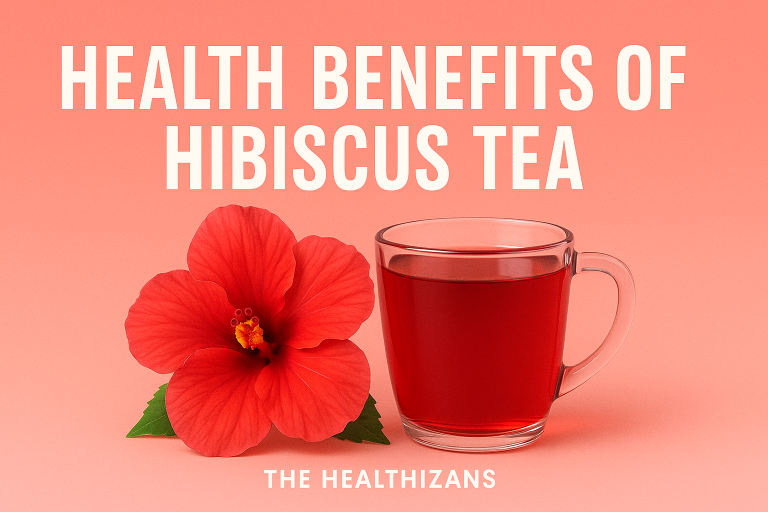
Hibiscus tea, meanwhile, contains anthocyanins and polyphenols, which also protect cells from oxidative stress. While the antioxidant types differ, both teas offer substantial benefits, making neither superior — simply different.
Heart Health: A Shared Strength
When comparing hibiscus tea vs green tea, heart health is a major point of overlap. Green tea’s catechins have been shown to reduce LDL cholesterol, protect blood vessels and support healthy blood pressure levels.
Hibiscus tea has similar cardiovascular benefits. Research suggests it can help lower systolic and diastolic blood pressure and may improve cholesterol profiles. Its impact appears strongest in those with mildly elevated blood pressure.
In short, both support heart health, but hibiscus may have a slightly stronger effect on blood pressure, while green tea may offer broader vascular protection.
Blood Pressure Effects: Hibiscus Takes the Lead
Hibiscus tea is particularly well known for its ability to lower blood pressure. Its natural diuretic effects and impact on vascular relaxation make it a strong choice for people monitoring their readings. Green tea can support healthy blood pressure too, but its effect is generally milder.
Anyone on blood pressure medication should be cautious with hibiscus, as it may enhance the effect of antihypertensive drugs.
Cholesterol Support: Both Are Beneficial
Green tea has been shown to help reduce LDL cholesterol while supporting HDL levels. Hibiscus tea offers similar benefits, though research findings vary depending on dosage and preparation.
For people concerned about cholesterol, both teas can be helpful additions to lifestyle changes such as a balanced diet, physical activity and reduced saturated fat intake.
Weight Management: Green Tea Has the Edge
The metabolism-boosting effect of green tea, largely due to its caffeine content and EGCG, makes it a common ingredient in weight-management strategies. It can gently increase calorie burn and support fat oxidation.
Hibiscus tea may offer mild benefits for weight management by influencing appetite and fat absorption, but its effect is generally less pronounced than green tea.
Energy and Focus: Green Tea’s Clear Advantage
Green tea contains moderate caffeine — enough to improve focus, alertness and mental clarity without causing the jitteriness some experience with coffee. Hibiscus tea contains no caffeine, making it better for evenings or for individuals sensitive to stimulants.
If you want a calming drink, hibiscus is ideal. If you prefer a mild energy lift, green tea is the better choice.
Blood Sugar and Metabolic Health
Emerging research shows that hibiscus tea may support better insulin sensitivity and help reduce inflammation linked to metabolic disorders. Green tea has stronger evidence in this area, with long-standing research connecting it to improved glucose control and reduced risk of type 2 diabetes.
Both are helpful, but green tea currently has more established findings.
Safety Considerations
Both teas are safe for most adults, but a few points are worth noting:
- Hibiscus tea should be used cautiously by people on blood pressure medication, those with low blood pressure, or individuals with kidney concerns.
- Pregnant women are often advised to avoid hibiscus due to potential hormonal effects.
- Green tea contains caffeine, so it may not be suitable for those with caffeine sensitivity, sleep issues or certain heart conditions.
Moderation works well with both — one to two cups a day is safe for most people.
So Which Tea Is “Better”?
The answer depends on what you need most from your drink:
- For blood pressure and a caffeine-free option: hibiscus tea
- For metabolism, energy and brain support: green tea
- For heart and vascular health: both are excellent
- For evening relaxation: hibiscus
- For daytime focus: green tea
Rather than choosing strictly between hibiscus tea vs green tea, many people enjoy both at different times of the day.
Conclusion
Hibiscus tea and green tea each offer unique strengths rooted in years of scientific study and traditional use. Whether you’re seeking cardiovascular support, improved focus, metabolic benefits or a calming ritual, both teas can fit into a healthy lifestyle. The key is understanding what your body needs and choosing the option that aligns with your goals.
Sources
- American Heart Association – Nutrition & Heart Health
- NIH – Hibiscus sabdariffa Research
- Journal of Nutrition – Catechins & Antioxidants
- WHO – Cardiovascular Disease Prevention
- Journal of Ethnopharmacology – Hibiscus & Blood Pressure
- Harvard School of Public Health – Green Tea & Weight Control
- Diabetes UK – Blood Sugar & Lifestyle
About the Author