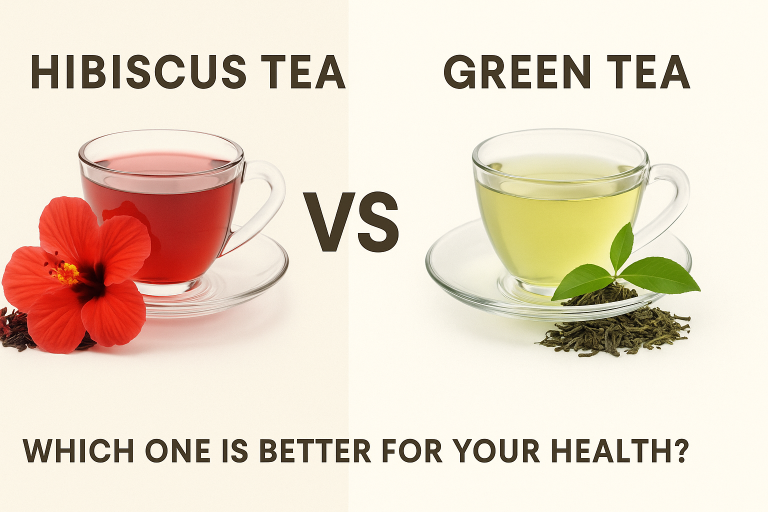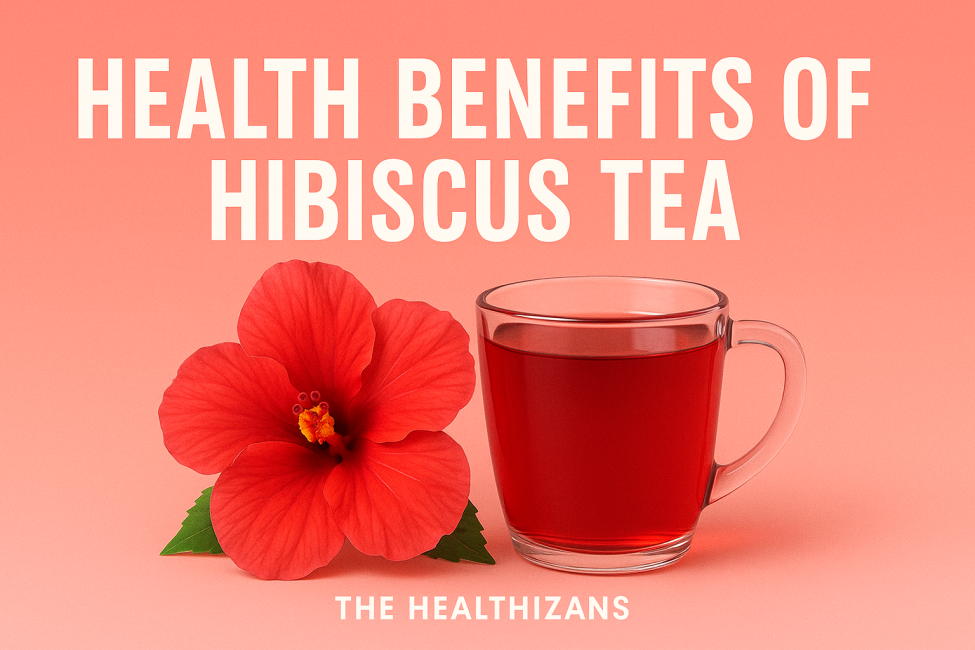
Hibiscus tea has earned a global reputation as one of the most beneficial herbal drinks — known for its deep red colour, refreshing tart flavour and impressive nutritional profile. Beyond its beauty, hibiscus tea offers a range of scientifically supported advantages, from heart health and cholesterol support to lowering blood pressure and reducing inflammation.
In exploring the health benefits of hibiscus tea, this article brings together what current research shows, how it works inside the body, and the safest way to enjoy it as part of your daily routine.
If you’re interested in other lifestyle changes that support long-term wellness, you may also find value in our piece on how blood pressure, cholesterol, and heart health are connected, which provides helpful insight into cardiovascular health overall.
A Powerful Source of Antioxidants
The vibrant colour of hibiscus tea isn’t just aesthetic — it reflects the presence of potent antioxidants, particularly polyphenols. These compounds help protect cells from oxidative stress, a process linked with ageing, inflammation and chronic disease. By reducing this cellular stress, hibiscus tea supports the body’s natural defence mechanisms and promotes healthier ageing over time.
Heart Health Support
Cardiovascular health is one of the most compelling reasons people turn to hibiscus tea. Research suggests that the plant compounds in hibiscus help maintain the health of blood vessels and combat oxidative damage, both of which play key roles in preventing heart disease.
Because hibiscus tea can influence blood pressure and cholesterol — two major markers of cardiovascular risk — it has become a popular addition to heart-friendly daily habits.
Natural Blood Pressure Control
Several well-designed studies have shown that hibiscus tea can help lower blood pressure, particularly in people with mildly elevated readings. It appears to work in a few different ways, such as relaxing blood vessels and reducing excess sodium and fluid retention.
However, it’s important to drink it thoughtfully. People on blood pressure medication should be cautious, as hibiscus may amplify the effects of these drugs. Moderation is essential.
Improving Cholesterol Levels
Among the many health benefits of hibiscus tea, one that stands out is its potential effect on cholesterol. Some research indicates it may help reduce LDL cholesterol — the type associated with plaque buildup — while possibly improving HDL cholesterol, which supports heart protection.
It isn’t a replacement for medication in those who need it, but it can be part of a balanced approach to maintaining healthy cholesterol levels.
Blood Sugar and Metabolic Effects
Emerging research suggests that hibiscus tea may support healthier blood sugar levels by improving insulin sensitivity and reducing inflammation linked to metabolic disorders. While it should not be considered a treatment for diabetes, it can complement other healthy habits.
For more on practical ways to support metabolic health, our guide on how to prevent blood sugar spikes after meals offers helpful context.
A Gentle Support for Weight Management
Hibiscus tea has been explored for its potential role in weight management. Some studies suggest it may influence how the body stores fat and regulate appetite. While the effect is usually modest, choosing hibiscus tea over sugary drinks is a simple, sustainable swap that supports overall wellbeing.
Reducing Inflammation
Chronic inflammation is at the root of many common conditions, including joint pain and cardiovascular disease. Hibiscus tea’s antioxidant content appears to have anti-inflammatory effects that can support the body’s healing processes.
A Caffeine-Free Way to Unwind
One of the reasons hibiscus tea is widely enjoyed is that it is naturally free from caffeine. This makes it a calming choice for afternoons and evenings, especially for those sensitive to stimulants. Its refreshing nature makes it a soothing alternative to caffeinated drinks.
Safety and Considerations
Most people can enjoy hibiscus tea safely, but there are a few situations where caution is advised.
- Individuals on blood pressure medication should monitor their intake and consult a healthcare professional if unsure.
- Pregnant women are often advised to avoid hibiscus due to potential hormonal effects.
- People with low blood pressure or kidney concerns should consume it sparingly.
In general, one to two cups a day is considered safe for most adults.
How to Enjoy Hibiscus Tea for Best Results
To experience the full health benefits of hibiscus tea, quality and preparation matter. Use whole dried hibiscus petals rather than sweetened mixes, and steep them in hot — not boiling — water for about five to ten minutes. This helps preserve the antioxidants while allowing the flavour to develop. Keeping added sugar to a minimum ensures the drink remains as healthy as possible.
Conclusion
Hibiscus tea is more than a pleasant herbal drink. Its antioxidant-rich profile and scientifically supported benefits make it a valuable addition to everyday wellness routines. Whether you’re interested in heart health, blood pressure control, metabolic support or simply a calming caffeine-free option, hibiscus tea has something to offer.
What’s Your Take?
Do you drink hibiscus tea? Have you noticed any changes since adding it to your routine? Your experience could help someone else make a more informed choice.
📚 Sources
- American Heart Association – Nutrition & Heart Health
- National Institutes of Health – Hibiscus sabdariffa Research
- Journal of Nutrition – Polyphenols and Antioxidant Effects
- World Health Organization – Cardiovascular Disease Prevention
- Journal of Ethnopharmacology – Hibiscus and Blood Pressure
- Diabetes UK – Blood Sugar and Lifestyle
About the Author