The festive season is meant to be joyful — shared meals, celebration foods, and long evenings with family and friends. Yet for many people, Christmas also brings bloating, indigestion, heartburn, or sluggish digestion.
If that sounds familiar, you’re not doing anything wrong. In fact, digestive discomfort during the holidays is very common, and the good news is that small, gentle adjustments can make a real difference.
This guide shares gentle digestive tips for the festive season — practical ways to support your gut without restriction, guilt, or missing out.
Why Digestion Often Feels “Off” at Christmas
Our digestive system thrives on rhythm. During the festive period, however, that rhythm often disappears. Meals are richer and larger, eating times shift, alcohol intake increases, sleep becomes irregular, and stress levels quietly rise.
Taken together, these changes can slow digestion and increase sensitivity in the gut. According to the NHS, temporary digestive symptoms such as bloating or indigestion commonly occur when eating patterns and routines change — particularly during holidays.
In other words, your gut is reacting to disruption, not failure.
Common Festive Digestive Complaints — Explained Simply
Digestive symptoms often show up in predictable ways at this time of year.
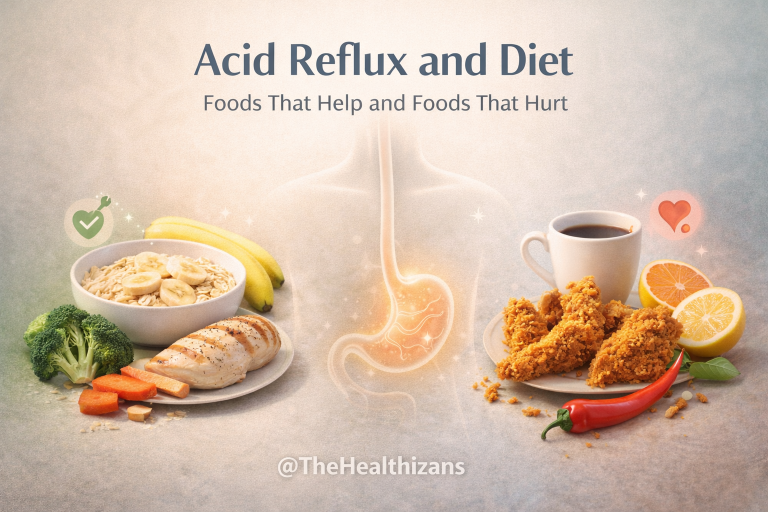
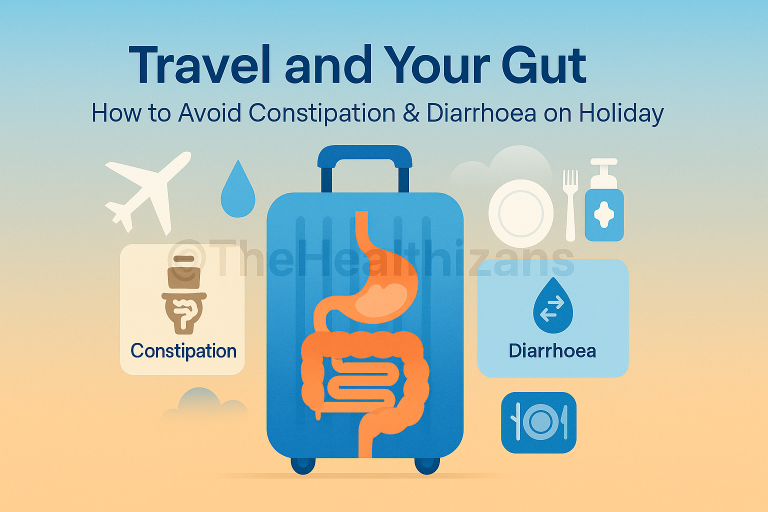
Bloating and gas may occur when rich or fatty foods slow stomach emptying, or when meals are eaten quickly. Heartburn and indigestion are more likely after alcohol, spicy foods, or lying down soon after eating. Constipation, meanwhile, is frequently linked to lower fibre intake, dehydration, and reduced movement.
These symptoms are uncomfortable — but usually temporary and manageable.
Gentle Digestive Tips for the Festive Season (That Actually Help)
Understanding why digestion feels off during the festive season is helpful — but what most people really want to know is what actually makes a difference in everyday life.
The good news is that supporting your digestion at Christmas doesn’t require strict rules or cutting out festive foods. Instead, a few gentle, realistic habits can help your gut cope better with richer meals, disrupted routines, and late nights.
Slow Down Your Eating — Even a Little
You don’t need to eat less to feel better — but eating more slowly can help significantly. Slowing down reduces swallowed air, improves enzyme release, and helps your brain recognise fullness before discomfort sets in.
A simple cue is to pause briefly between bites or put your cutlery down while chatting.
Balance Across the Day, Not Every Plate
One festive meal doesn’t need to be “fixed”. Instead of compensating or restricting, think in terms of balance across the day.
Including vegetables, fibre-rich foods, and protein at other meals supports digestion naturally — without turning Christmas into a nutritional maths exercise.
Walk After Meals to Support Gut Movement
A short, gentle walk after eating is one of the most effective — and overlooked — digestive supports.
Even 10–15 minutes of walking helps stimulate gut movement, reduce bloating, and lower the risk of reflux. It’s also a lovely way to unwind after a big meal.
Hydration Matters More Than You Think
Alcohol, rich foods, and salty snacks all increase your body’s need for fluids. Dehydration can worsen constipation and digestive discomfort.
Sipping water between drinks or choosing warm fluids such as herbal teas can be especially soothing for the gut.
Use Foods for Comfort, Not Cure
Certain foods don’t “fix” digestion — but they can help it feel calmer. Ginger, peppermint tea, and light soups are often well tolerated during periods of digestive strain.
Think of these as supportive companions, not treatments.
Respect Your Gut’s Timing
Late meals combined with late nights can increase reflux and indigestion. When possible, aim to finish eating at least two to three hours before lying down.
If heartburn is an issue, slightly elevating your upper body during sleep may help.
Stress and Digestion Are Closely Linked
The gut and brain are deeply connected. When stress levels rise, digestion often slows and sensitivity increases.
Even brief moments of calm — such as slow breathing or stepping outside for fresh air — can help your digestive system settle.
(We explore this gut–brain link further in our article on stress and sleep, which many readers find helpful during the holidays.)
When Digestive Symptoms Need Medical Advice
Festive digestive discomfort is usually short-lived. However, it’s important to seek medical advice if symptoms include persistent pain, difficulty swallowing, unexplained weight loss, blood in the stool, or continue well beyond the festive period.
The World Health Organization advises that ongoing digestive symptoms should always be assessed, even if they appear mild.
The Healthizans Takeaway
Christmas doesn’t require perfect digestion to be meaningful.
Your gut doesn’t need punishment, detoxes, or extreme rules. What it responds to best is gentle support, hydration, movement, rest, and kindness.
Enjoy the celebrations. Support your body between events. And remember — health is shaped by what you do most days, not just during one festive week.
What’s Your Take?
Do you notice bloating, reflux, or digestive discomfort during the festive season?
Which gentle tip tends to help you the most? Share your experience — it may help someone else feel less alone 💬
📚 Sources
- NHS – Indigestion, bloating and digestive health
- World Health Organization (WHO) – Diet, nutrition and health
- Harvard Health Publishing – The gut–brain connection
- British Dietetic Association (BDA) – Digestive health advice
About the Author