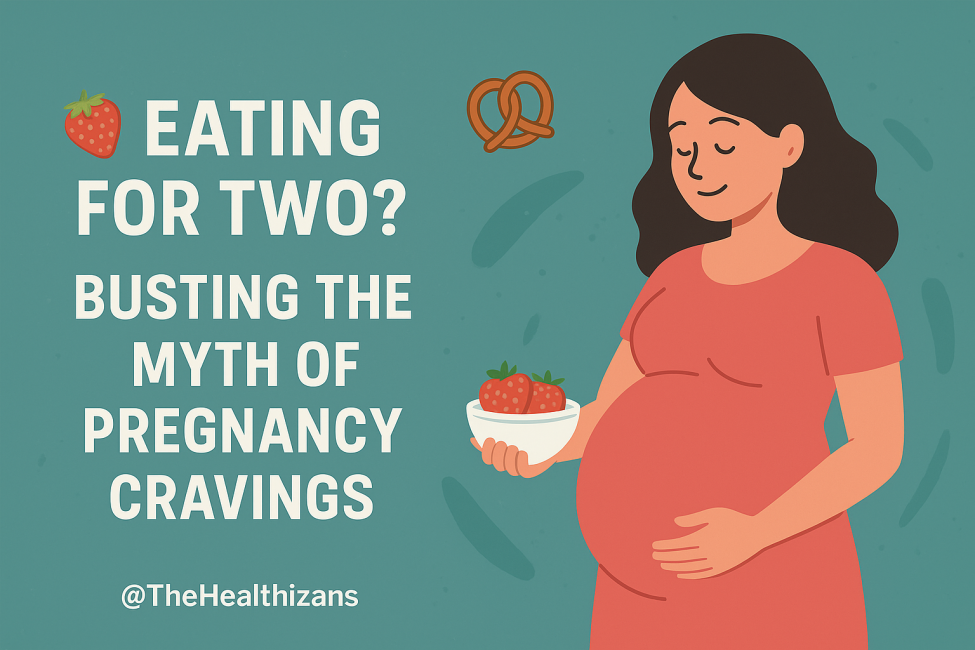
Pregnancy often comes with the well-meaning advice: “You’re eating for two now!” But does that really mean doubling your food portions and giving in to every craving? Not quite. Let’s break down the truth about prenatal nutrition, how to handle cravings, and what “eating for two” actually means.
🤰 The Reality Behind “Eating for Two”
The phrase is misleading. Yes, your body is supporting both you and your baby, but the extra energy needs are much smaller than people think.
- First trimester: No extra calories are required — focus instead on nutrient-rich foods.
- Second trimester: Around +340 kcal/day (roughly a healthy sandwich).
- Third trimester: Around +450 kcal/day (equivalent to a small smoothie with nuts and fruit).
👉 So rather than doubling your plate, think of adding one extra balanced snack per day.
🍫 Cravings: What’s Normal, What’s Not
Cravings are common and often harmless, but they don’t give you a free pass to live on chocolate or crisps.
- Common cravings: Sweet foods, salty snacks, dairy, or even unusual combinations.
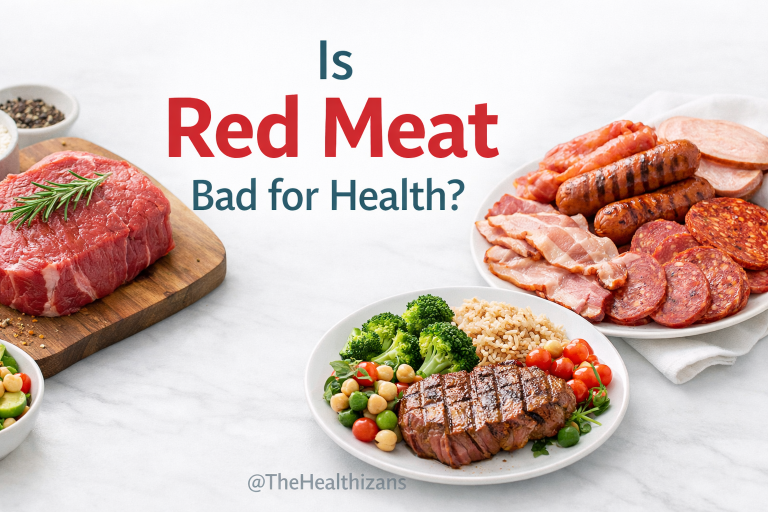
- Nutrient signals: Sometimes cravings may point to deficiencies (e.g., craving red meat = iron, ice = anaemia).
- When to worry: If you crave non-food items (clay, soil, chalk) — a condition called pica — seek medical advice immediately.
🥗 Smart Snacking During Pregnancy
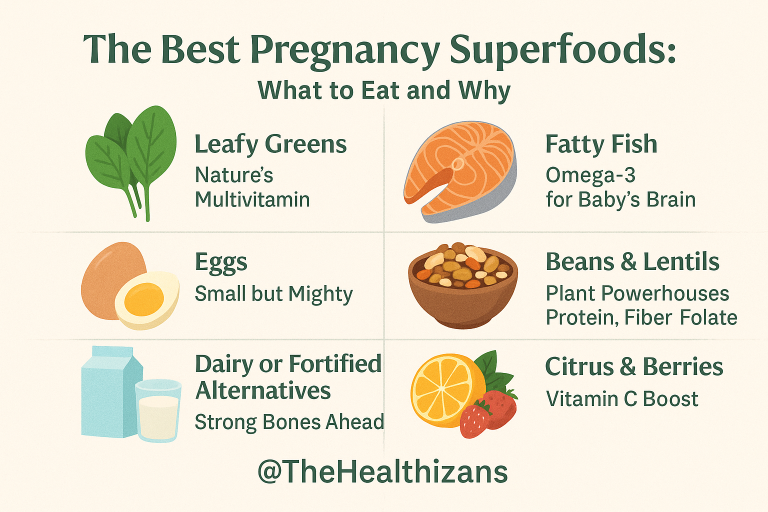
Instead of doubling meals, aim for quality over quantity. Try:
- A slice of wholegrain toast with avocado and boiled egg 🥑🥚
- Greek yoghurt with berries and chia seeds 🍓🥣
- A handful of nuts with dried fruit 🌰
- Veggie sticks with hummus 🥕
These choices balance fibre, protein, and healthy fats to support both mum and baby.
🏋️ Movement Helps Too
Moderate activity helps regulate appetite, digestion, and blood sugar — reducing the urge to overindulge. Safe prenatal exercises include:
- Walking
- Prenatal yoga
- Swimming
Always check with your healthcare provider before starting new exercise routines.
🌍 Global Guidelines
- NHS: Pregnant women should avoid “eating for two” and instead focus on nutrient-dense foods.
- WHO: Emphasises iron, folate, and calcium supplementation in pregnancy.
- ACOG (US): Recommends moderate exercise most days of the week for pregnant women.
💡 Key Takeaway
Pregnancy nutrition isn’t about doubling your food intake — it’s about doubling the quality of what you eat. Small, smart adjustments and mindful movement go a long way for both mum and baby.
❓ What’s Your Take?
Did you or someone you know get told to “eat for two” during pregnancy? How did it affect eating habits? Share your thoughts — your story might help another mum-to-be!
📚 Sources
- NHS. Pregnancy and diet: What to eat and what to avoid.
- World Health Organization. Nutritional care and support for pregnant women.
- American College of Obstetricians and Gynecologists. Exercise During Pregnancy.
About the Author