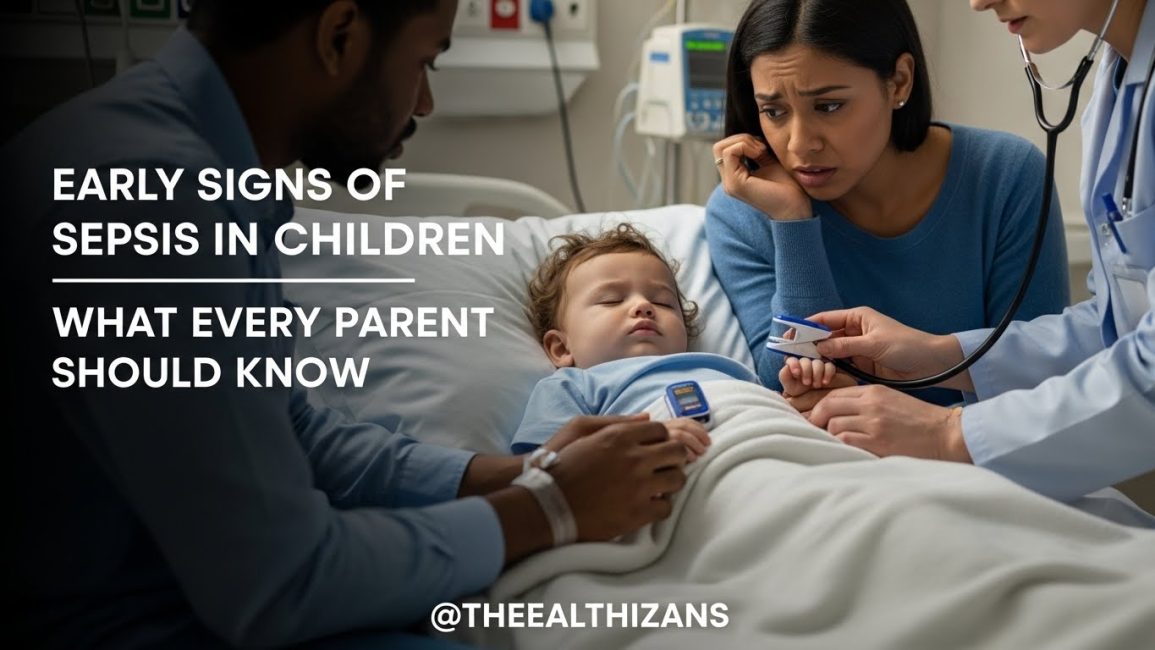
Sepsis in children is a medical emergency, and recognising the early signs can make all the difference. While sepsis can follow an illness as simple as a cold, a fever, or a skin infection, the body’s response can escalate rapidly. Knowing what sepsis looks like in its earliest stages helps parents, carers, and teachers act fast — and fast action saves lives.
Children can deteriorate more quickly than adults when sepsis develops. Because symptoms often resemble common childhood illnesses, they are easy to overlook or dismiss. That’s why understanding the early signs of sepsis in children is essential for any parent, whether your child is usually healthy or has ongoing medical conditions.
What Sepsis Is — and Why Children Are Vulnerable
Sepsis happens when the body reacts abnormally to an infection, triggering inflammation throughout the body. Instead of fighting the infection, the immune system becomes overwhelmed, damaging healthy tissues and organs. In children — especially babies and toddlers — their immune systems are less mature, so their bodies may struggle to contain infections.
Common infections that can lead to sepsis in children include:
- Chest infections
- Urinary tract infections
- Skin or wound infections
- Bloodstream infections
- Ear, throat or sinus infections
Even though most childhood infections settle with simple treatment, a small proportion can progress to sepsis — sometimes within hours.
Early Signs of Sepsis in Children
Recognising the early signs of sepsis in children can be challenging because they often mimic everyday illnesses. However, certain patterns should raise immediate concern.
A child may have sepsis if they:
- Become unusually sleepy, floppy, or difficult to wake
- Breathe very fast or struggle to catch their breath
- Have skin that looks mottled, pale, bluish, or unusually cold
- Have a fever or very low temperature
- Produce far fewer wet nappies than usual
- Refuse feeds, have repeated vomiting, or show signs of dehydration
- Complain of “feeling very unwell,” severe pain, or persistent shivering
- Are confused, irritable, or behaving abnormally
Symptoms progress quickly. If your instincts say something is very wrong, trust them — parents often notice subtle changes long before symptoms become dramatic.
When Sepsis Becomes Severe
Severe sepsis and septic shock occur when the infection affects organs such as the lungs, kidneys, or heart. Warning signs in children may include:
- Fast or laboured breathing
- Very low urine output
- Cold hands and feet
- A non-blanching rash (one that doesn’t fade when pressed)
- Extreme drowsiness or collapse
At this stage, emergency treatment is critical.
When to Seek Emergency Care
In the UK, the NHS advises seeking urgent medical help if a child shows signs of sepsis. Call 999 or go to A&E immediately if you notice:
- Your child is struggling to breathe
- They are not responding normally
- They have a mottled or bluish appearance
- They have a rash that doesn’t fade when pressed
- They are unusually cold, difficult to wake, or floppy
Never wait to see if symptoms improve — early treatment leads to significantly better outcomes.
If you want to understand how infections can affect adults too, see our article on What Is Sepsis? Symptoms, Causes, and When to Seek Emergency Care, which provides a broader overview for the whole family.
How to Reduce the Risk
You can lower a child’s risk of developing sepsis by:
- Treating infections promptly
- Keeping up to date with childhood vaccinations
- Practising good hygiene, handwashing, and wound care
- Monitoring symptoms carefully during illnesses
- Seeking help early when your child “just doesn’t seem right”
Prevention is important — but awareness is even more powerful.
What’s Your Take?
Have you ever faced a medical emergency with your child?
Share your experience or questions in the comments — your insight could help another parent recognise the signs early.
Sources
- NHS UK. Sepsis in Children — Symptoms and When to Get Help.
- World Health Organization. Maternal, Newborn, Child and Adolescent Health — Sepsis.
- CDC. Sepsis and Children — What Parents Should Know.
About the Author