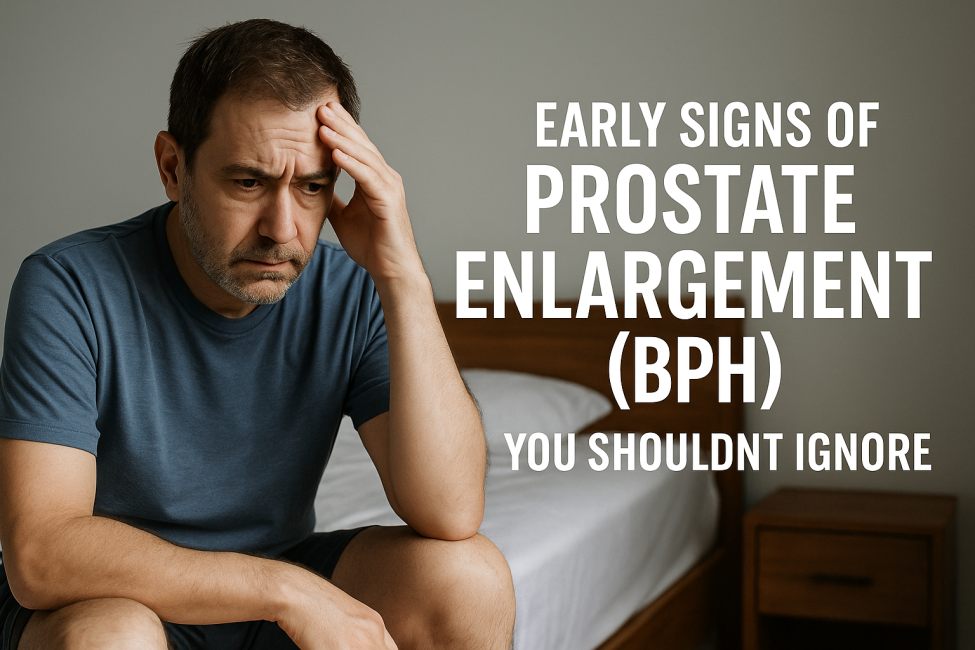
Prostate enlargement — medically known as benign prostatic hyperplasia (BPH) — is one of the most common health issues men face as they age. Yet despite how widespread it is, the early signs of prostate enlargement are often overlooked, normalised, or blamed on “getting older.” The truth is that even mild urinary changes can reveal how well the prostate is functioning and whether it may be starting to enlarge.
Recognising these early signs helps men seek help sooner, avoid complications, and protect long-term urinary and kidney health.
What Is Prostate Enlargement (BPH)?
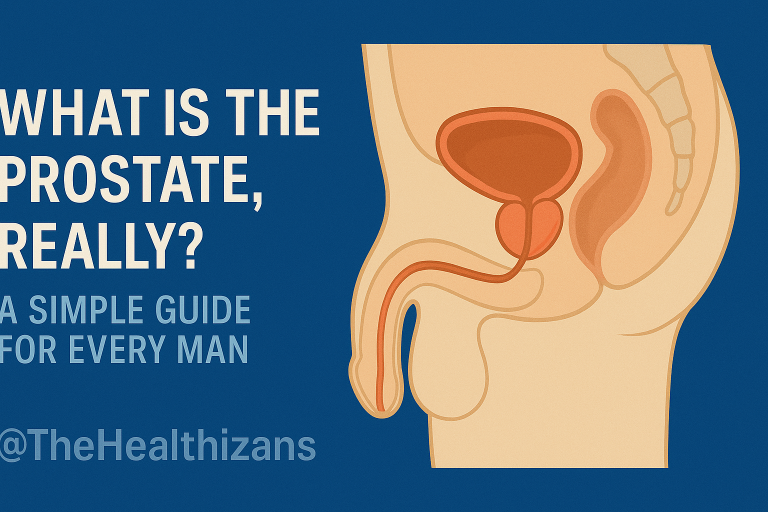
BPH is a non-cancerous growth of the prostate gland. As the prostate enlarges, it presses against the urethra — the tube that carries urine out of the body — making it harder for urine to flow freely. This leads to a variety of urinary symptoms that tend to develop gradually.
According to the NHS, BPH affects around one-third of men over 50, and the likelihood increases with age. But age alone shouldn’t make men ignore new symptoms.
The Early Signs You Shouldn’t Ignore
1. A Weaker or Slower Urine Stream – One of the most common early signs of prostate enlargement is noticing that the urine stream is no longer as strong as it used to be. Men may feel they have to wait longer for the flow to start or that it stops and starts unexpectedly.
2. Feeling That the Bladder Doesn’t Empty Completely – Many men report a lingering sensation after urinating — as though the bladder is still partly full. This can cause repeated trips to the toilet, especially in the mornings.
3. Frequent Urination, Particularly at Night (Nocturia) – Waking up once or twice during the night is common as men get older, but needing to urinate multiple times may signal prostate enlargement. This symptom is often the first one men notice and can affect sleep quality.
4. Urgent Need to Urinate – A sudden, powerful urge to urinate — sometimes difficult to hold — is another subtle early sign. This urgency may increase even if the bladder isn’t very full.
5. Difficulty Starting Urination (Hesitancy) – Some men experience a delay when trying to start the flow of urine. This happens because the enlarged prostate presses against the urethra and blocks the normal passage of urine.
6. Dribbling at the End of Urination – A slow dribble or leak after finishing can indicate that the bladder isn’t emptying fully or that the urethra is partially compressed.
7. Straining or Pushing to Urinate – Needing effort to start the stream or keep it going is a sign that the urinary pathway is being obstructed. This is an early indicator that should not be ignored, especially if it becomes frequent.
Why These Signs Matter
Although BPH itself is not cancer, the early signs of prostate enlargement can affect quality of life, sleep, sexual function, and long-term kidney health. Ignoring symptoms may lead to complications such as bladder damage, urinary retention, or infections.
Because urinary symptoms sometimes overlap with early prostate cancer, the NHS recommends evaluation for any persistent or worsening urinary changes — regardless of age.
For related content on cardiovascular-linked symptoms, you can also check out our article on How Blood Pressure and Cholesterol Affect Your Heart Health.
What Causes Prostate Enlargement?
BPH is largely linked to hormonal changes that occur as men age. Factors that increase the risk include:
- family history
- obesity
- reduced physical activity
- poor diet
- chronic inflammation
- metabolic syndrome
Even though BPH is common, every man’s experience is different, which is why early detection matters.
How Prostate Enlargement Is Diagnosed
Healthcare professionals may use:
- a symptom checklist
- urine flow tests
- blood tests
- prostate examination
- ultrasound or bladder scan
- PSA test (to rule out cancer-related changes)
An early assessment helps guide the right treatment plan.
Treatment Options
Treatment depends on the severity of symptoms and may include:
- lifestyle changes (hydration timing, reducing caffeine/alcohol)
- medications that relax the prostate or reduce its size
- treatment for underlying conditions
- minimally invasive procedures
- surgery for more severe cases
Early treatment often prevents the condition from progressing.
The Bottom Line
The early signs of prostate enlargement are easy to miss — but they shouldn’t be ignored. Paying attention to small urinary changes can protect a man’s bladder, prostate, and overall health. Seeking medical advice early is not only responsible but empowering.
Sources
- NHS — Benign Prostate Enlargement
- National Institute on Aging — Prostate Problems in Older Men
- Mayo Clinic — Enlarged Prostate (BPH) Overview
- American Urological Association — BPH Guidelines
About the Author