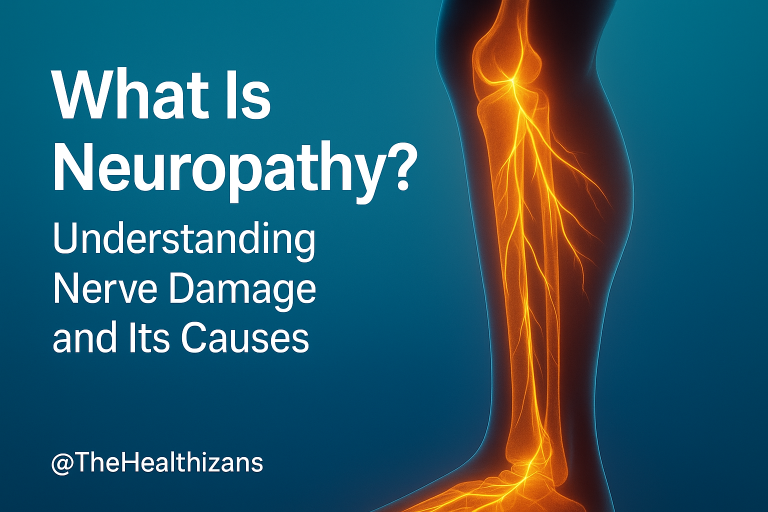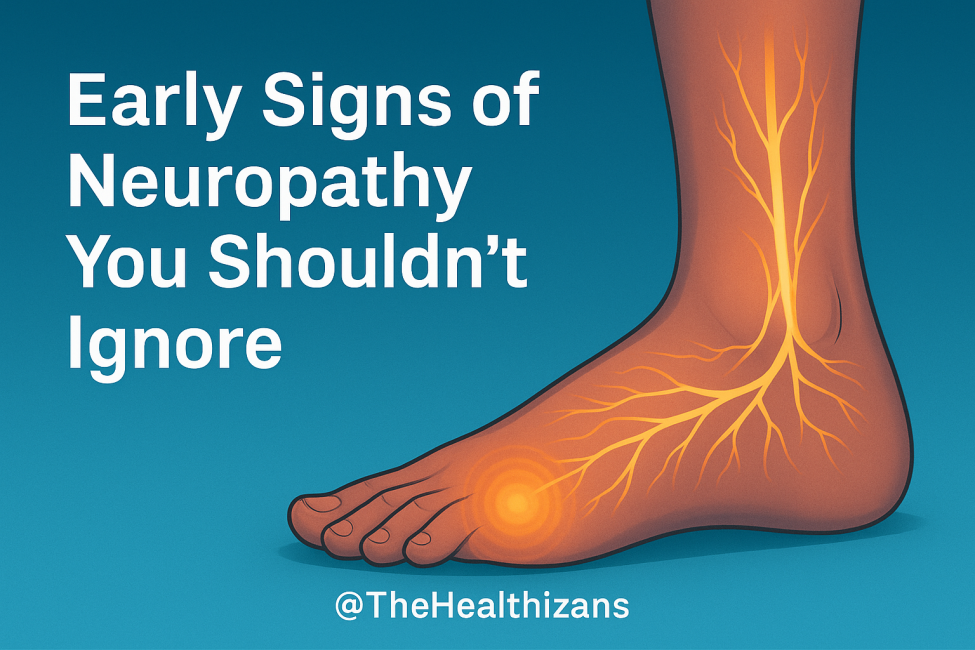
Have you ever noticed a tingling or burning sensation in your feet that just won’t go away? Or perhaps your hands feel numb, like they’ve “fallen asleep,” even when you haven’t been resting on them. These could be early warning signs of neuropathy — nerve damage that develops gradually and often goes unnoticed until it worsens.
Neuropathy affects millions of people worldwide and can be caused by diabetes, vitamin deficiencies, autoimmune conditions, infections, or injury. The earlier it’s detected, the better your chances of preventing long-term nerve damage.
🧠 Why Early Detection Matters
Your nerves act as the body’s electrical wiring — sending messages between your brain, spinal cord, and muscles. When they become damaged, signals may slow down, misfire, or stop completely, leading to numbness, weakness, or pain.
According to the NHS and World Health Organization (WHO), identifying symptoms early can significantly improve treatment outcomes, especially for those living with diabetes or chronic illnesses.
🚨 Common Early Symptoms to Watch Out For
- Tingling or “Pins and Needles”
That light buzzing or prickling in your toes or fingers — especially at night — can be one of the earliest signs of peripheral nerve damage. - Numbness or Reduced Sensation
You might not feel temperature changes, cuts, or pressure as well as before. This can increase the risk of unnoticed injuries, particularly in the feet. - Burning or Shooting Pain
Some people describe it as “walking on hot sand” or feeling electric shocks. This type of pain can become worse at rest or during the night. - Muscle Weakness or Loss of Balance
Nerve damage can weaken muscles, making it harder to grip objects or maintain stability when walking. - Unusual Sensitivity to Touch (Allodynia)
Even light fabric brushing against your skin may feel painful or irritating. - Foot or Hand Ulcers That Heal Slowly
Because of reduced sensation, small wounds can go unnoticed and lead to infections — especially in people with diabetes.
🩺 When to See a Doctor
If you experience persistent tingling, burning, or numbness, it’s best to book an appointment with your GP. They may recommend:
- Blood sugar testing
- Vitamin B12 level checks
- Nerve conduction studies
- Lifestyle and medication review
Early medical assessment can prevent irreversible damage and improve quality of life.
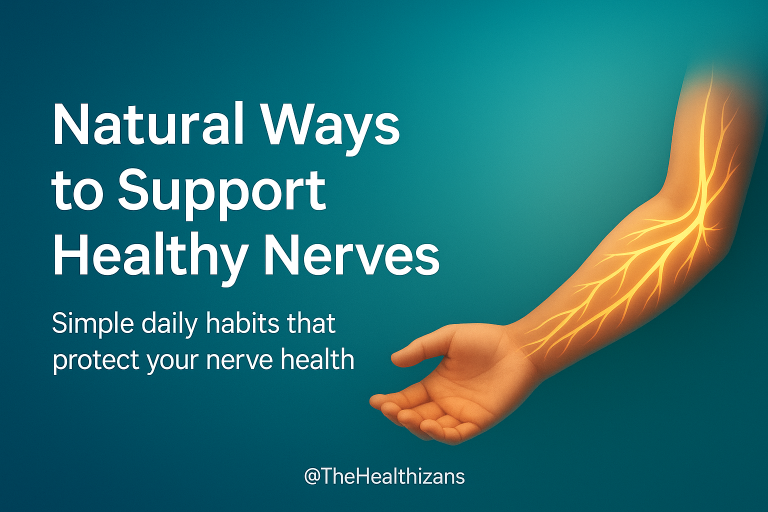
🌿 Supporting Your Nerve Health
Alongside medical treatment, lifestyle changes can help protect your nerves:
- Eat a balanced diet rich in B-vitamins, omega-3 fats, and antioxidants.
- Stay active — light exercise improves circulation and nerve function.
- Avoid smoking and limit alcohol, both of which impair blood flow and nerve repair.
- Monitor your blood sugar if you have diabetes or prediabetes.
(Also, check out our earlier article 👉 What Is Neuropathy? Understanding Nerve Damage and Its Causes for a deeper look at how nerve damage begins.)
💬 What’s Your Take?
Have you experienced any tingling or burning in your feet or hands? How did you first notice it? Share your story in the comments — your insight might help others recognise the signs early.
📚 Sources
- NHS UK. (2024). Peripheral Neuropathy – Symptoms and Treatment.
- World Health Organization (WHO). (2023). Neurological Disorders Fact Sheet.
- American Diabetes Association. (2024). Diabetic Neuropathy Overview.
- Cleveland Clinic. (2024). Peripheral Neuropathy: Symptoms, Causes, and Management.
About the Author