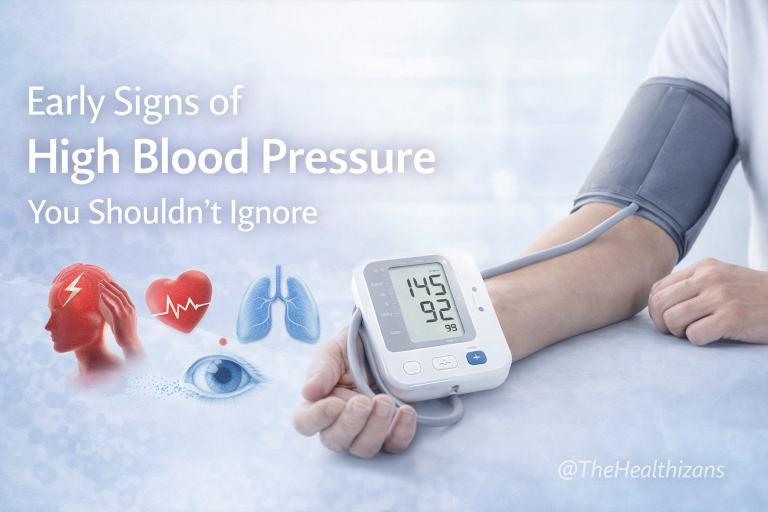
Metabolic syndrome doesn’t usually announce itself with obvious symptoms. Instead, it develops quietly — through subtle changes in weight, energy, blood sugar control, blood pressure, and cholesterol levels. Many people feel “mostly fine” while their risk of serious long-term conditions is steadily increasing.
Recognising the early signs of metabolic syndrome is important because this cluster of risk factors significantly raises the likelihood of developing heart disease, type 2 diabetes, and stroke. The earlier these changes are identified, the easier they are to reverse.
What Is Metabolic Syndrome?
Metabolic syndrome is not a single disease. It refers to a group of related metabolic changes that tend to occur together, including:
- increased abdominal (central) fat
- raised blood pressure
- high blood sugar or insulin resistance
- unhealthy cholesterol or triglyceride levels
You don’t need to have all of these for metabolic health to be declining. Early signs often appear long before a formal diagnosis is made.
Why Metabolic Syndrome Is Often Missed
Because metabolic syndrome develops gradually, many early changes are normalised. Weight gain is blamed on ageing, fatigue on stress, and raised blood pressure on a busy lifestyle.
This pattern is similar to how people overlook early signs of high blood pressure, where symptoms may be absent, or early signs of poor circulation, where changes are subtle but progressive.
The Early Signs You Shouldn’t Ignore
These signs may seem unrelated at first, but together they can signal underlying metabolic strain. Some of the early signs to look out for include:
1. Increasing Waist Size (Especially Around the Abdomen)
Gaining weight around the midsection — even without significant overall weight gain — is one of the earliest warning signs. Abdominal fat is metabolically active and strongly linked to insulin resistance and inflammation.
2. Persistent Fatigue After Meals
Feeling unusually tired or sluggish after eating, particularly after carbohydrate-heavy meals, can indicate poor blood sugar regulation. This is often an early sign of insulin resistance, even when blood sugar levels are still within “normal” ranges.
3. Difficulty Losing Weight Despite Effort
If weight loss becomes increasingly difficult despite similar eating and activity habits, metabolic efficiency may be declining. Hormonal and insulin changes can make the body resistant to fat loss.
4. Elevated Blood Pressure Readings
Slightly raised blood pressure — even if not yet classified as hypertension — can be an early metabolic warning sign. Many people are unaware of this unless they check regularly.
5. Changes in Blood Sugar or Cravings
Frequent cravings for sugary or refined foods, energy crashes, or feeling “shaky” when meals are delayed can point toward early blood sugar instability. Over time, this may progress toward early signs of insulin resistance.
6. Abnormal Cholesterol Results
Low HDL (“good” cholesterol) or raised triglycerides are common early markers. These changes often occur silently and are only picked up on routine blood tests.
7. Skin Changes
Darkened, velvety patches of skin — often around the neck, armpits, or groin (a condition called acanthosis nigricans) — can be an early physical sign of insulin resistance.
8. Increased Inflammation or Aches
Low-grade inflammation associated with metabolic syndrome can contribute to joint aches, stiffness, or frequent minor illnesses — symptoms often dismissed as ageing or overwork.
Who Is at Higher Risk?
Metabolic syndrome can affect anyone, but risk is higher in people who:
- carry weight around the abdomen
- are physically inactive
- have a family history of type 2 diabetes or heart disease
- experience long-term stress or poor sleep
- have previously been diagnosed with early signs of burnout or chronic fatigue
- have conditions such as PCOS or fatty liver disease
Importantly, you do not need to be obese to develop metabolic syndrome.
Why Early Recognition Matters
Left unaddressed, metabolic syndrome significantly increases the risk of:
- type 2 diabetes
- heart disease and stroke
- fatty liver disease
- chronic inflammation
- kidney disease
The encouraging news is that early metabolic changes are often reversible with lifestyle adjustments and medical support.
How Metabolic Syndrome Is Identified
Healthcare professionals may assess:
- waist circumference
- blood pressure
- fasting blood glucose or HbA1c
- cholesterol and triglyceride levels
No single test defines metabolic syndrome — it’s the pattern that matters.
What Helps in the Early Stages
Early intervention often focuses on:
- improving sleep and stress management
- increasing regular physical activity
- adjusting diet quality (not extreme restriction)
- reducing prolonged sitting
- managing blood pressure and blood sugar early
Small, consistent changes made early are far more effective than drastic measures later.
When to Seek Medical Advice
You should consider speaking with a healthcare professional if:
- your waist size has increased noticeably
- routine tests show rising blood pressure or blood sugar
- fatigue or post-meal crashes are persistent
- you have a family history of metabolic conditions
Early testing provides clarity and opens the door to prevention.
The Bottom Line
The early signs of metabolic syndrome are often quiet but meaningful. Increasing waist size, post-meal fatigue, blood sugar instability, and subtle blood pressure or cholesterol changes are signals worth paying attention to.
Metabolic syndrome is not a personal failure — it’s a health pattern shaped by modern lifestyles, biology, and environment. Recognising it early offers one of the strongest opportunities to protect long-term heart and metabolic health.
Sources
- NHS — Metabolic Syndrome
- World Health Organization — Noncommunicable Diseases
- American Heart Association — Metabolic Syndrome
- Mayo Clinic — Metabolic Syndrome
About the Author