Heart valve disease often begins quietly, with symptoms that seem unrelated or easy to dismiss. Yet these early signs matter. When the valves in the heart do not open or close properly, blood flow becomes disrupted, forcing the heart to work harder than it should. Over time, this extra strain can lead to fatigue, breathlessness, heart failure, or dangerous rhythm problems if the condition is left unrecognised.
Understanding these early signs gives you the chance to seek help sooner, protect your heart, and potentially prevent serious complications.
What Exactly Is Heart Valve Disease?
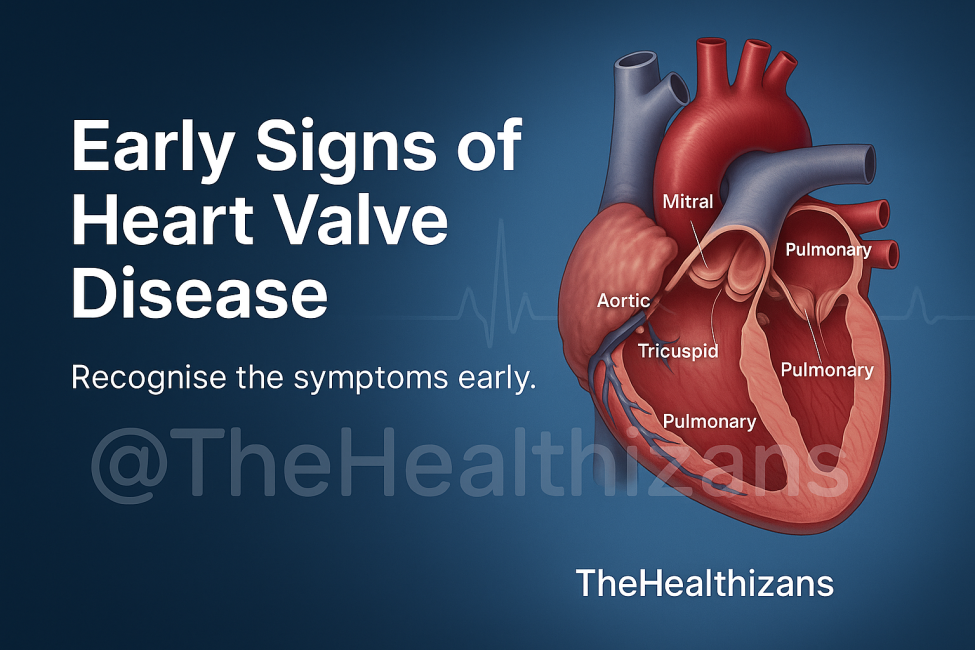
Your heart contains four valves — the mitral, tricuspid, aortic and pulmonary valves. These open and close with each heartbeat to ensure blood moves in the correct direction. However, these valves can become narrowed (stenosis), leaky (regurgitation), or stiff with age, infection, or underlying heart conditions.
When this happens, blood flow becomes turbulent. The heart compensates for a while, but eventually the strain begins to show. This is why early detection is so important: treatment is far more effective before the heart muscle becomes weakened.
Early Signs You Should Pay Attention To
Although symptoms may start subtly, they can offer valuable clues. Paying attention to how your body feels—especially during exertion—can help you recognise when something has changed.
Shortness of breath
One of the earliest signs is breathlessness, especially when climbing stairs, walking briskly, or performing activities that used to feel manageable. Because the heart struggles to move blood efficiently, the lungs feel pressured, making breathing harder.
Unusual fatigue
Many people notice they tire easily, even after light activity. This happens because the heart is working overtime while delivering less oxygen-rich blood to the body’s muscles and organs.
Heart palpitations or fluttering
Faulty valves can interrupt normal electrical activity, causing your heart to beat irregularly. You may feel fluttering, pounding or pauses in your chest, particularly during activity or when lying down.
Swelling in the ankles or feet
When blood backs up because the valves are not closing properly, fluid can collect in the legs, ankles and feet. This swelling (oedema) is a common early warning sign and often worsens as the day goes on.
Chest discomfort or pressure
Chest symptoms may appear during exertion, including pressure, tightness or a sensation of heaviness. Though often mild initially, chest discomfort should always prompt medical review.
For more insight into related cardiovascular symptoms, you may also find our article How Are Blood Pressure, Cholesterol, and Heart Health Connected? useful, as many early signs overlap across different heart conditions.
Dizziness or faint episodes
Because poor valve function can reduce blood flow to the brain, you may experience brief light-headedness, dizziness or even fainting spells — especially when active.
A new or unusual heart murmur
Most people are unaware of murmurs themselves, as they are usually detected during a routine health check. This is exactly why regular medical reviews matter: murmurs can be early markers of valve disease even before symptoms appear.
Why Early Detection Matters
According to NHS guidance, heart valve disease becomes significantly more manageable when diagnosed early. When treated promptly, many people maintain good long-term heart function and avoid major complications. Conversely, waiting until symptoms worsen often leads to reduced heart efficiency, hospital admissions, and more complex treatment.
Globally, the World Health Organization (WHO) stresses the importance of early evaluation because heart valve disease can progress silently for years before becoming dangerous.
How to Protect Your Heart Valves
Although some causes — such as age or congenital conditions — cannot be prevented, many risk factors can be managed. Regular check-ups, especially from midlife onwards, are one of the strongest protective steps you can take. Keeping blood pressure and cholesterol levels within healthy ranges, treating infections promptly, avoiding smoking, and staying physically active all support heart valve health. A balanced diet rich in whole foods, vegetables, oily fish and healthy fats further reduces strain on the heart.
Final Thoughts
Heart valve disease does not usually appear suddenly; instead, it evolves gradually, sending subtle signals along the way. By recognising these early signs and seeking medical advice promptly, you give your heart the best chance to stay strong and resilient for years to come.
If you’ve experienced unexplained breathlessness, fatigue or palpitations, consider speaking with your healthcare provider. Early awareness could make all the difference.
📚 Sources
- NHS — Heart Valve Disease
- World Health Organization — Cardiovascular Disease
- American Heart Association — Heart Valve Problems
About the Author