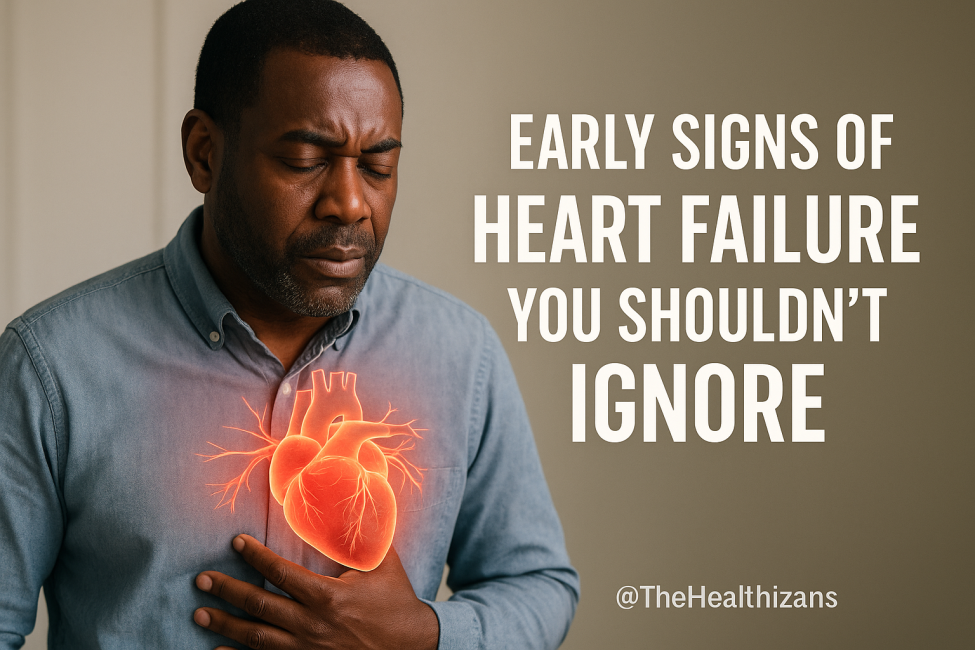
Heart failure sounds dramatic, but the early signs often start quietly. Many people assume they’re “just tired,” “getting older,” or “a bit out of shape.” But when the heart struggles to pump blood effectively, the body sends signals — subtle at first, then louder with time. Recognising the early signs of heart failure can help prevent complications, protect long-term heart health, and, in many cases, save lives.
Heart failure doesn’t mean the heart has stopped working. It means it isn’t pumping as efficiently as it should. Early detection allows for treatment that can dramatically improve quality of life and reduce the risk of serious events.
Why Heart Failure Is Often Missed Early
Heart failure is one of the world’s leading causes of hospital admissions, yet its earliest symptoms blend easily into everyday life. Fatigue, shortness of breath and swelling can be mistaken for stress, weight gain, or inactivity. That’s why paying attention to small changes matters — especially for people with high blood pressure, high cholesterol, diabetes, obesity, or a family history of heart disease.
If you’ve read our article on How Blood Pressure and Cholesterol Affect Your Heart Health, you’ll already know how closely circulation, oxygen delivery, and heart muscle strength are linked.
The Early Signs You Shouldn’t Ignore
1. Shortness of Breath — Even With Mild Activity
One of the earliest signs of heart failure is finding yourself breathless sooner than usual. Walking up stairs, carrying groceries, or doing light chores may leave you unusually winded. Breathlessness lying flat or waking up suddenly gasping for air also signals fluid buildup around the lungs.
2. Persistent Fatigue or Weakness
When the heart pumps less efficiently, muscles and tissues receive less oxygen. This leads to a heavy, sluggish feeling that doesn’t improve with rest. Many describe it as struggling to get through the day despite sleeping well.
3. Swelling in the Ankles, Feet or Legs
Fluid retention — especially around the ankles — is a major early warning sign. Shoes feeling tighter in the evening or noticing imprints from socks on the skin can indicate the heart is struggling to circulate fluid properly.
4. Rapid Weight Gain From Fluid Buildup
A sudden increase of more than 1–2kg over a few days may not be due to food. Heart failure can cause the body to hold onto excess fluid, which shows up on the scale before it becomes visible externally.
5. A Persistent Cough or Wheeze
Fluid backing up into the lungs can produce a long-lasting cough, wheeze, or a feeling of congestion. Some people notice coughing more when lying down at night.
6. Increased Heart Rate or Heart Palpitations
As the heart works harder to compensate for reduced pumping strength, the rate may increase. Fluttering sensations, irregular beats, or a racing heart during rest or light activity can be important early signs.
7. Difficulty Concentrating or Feeling Lightheaded
Reduced blood flow to the brain may cause dizziness, confusion, or trouble focusing — symptoms people often attribute to stress or fatigue, rather than a struggling heart.
8. Reduced Exercise Capacity
If you used to walk 20 minutes comfortably and now struggle after 5–10 minutes, this decline can be a useful early indicator, especially in people with existing heart risk factors.
Why Paying Attention Matters
Heart failure progresses gradually. The earlier it’s recognised, the more effective the treatment. Many people live long, active lives with heart failure when it’s identified and managed early.
The NHS and AHA both emphasise that persistent breathlessness, swelling, and unexplained fatigue should never be ignored — especially in people with high blood pressure or previous heart issues.
Who Is Most at Risk?
Anyone can develop heart failure, but the risk is higher if you have:
- high blood pressure
- high cholesterol
- diabetes
- a history of heart attack
- chronic kidney disease
- obesity
- sleep apnoea
- a strong family history of heart disease
Lifestyle factors — smoking, inactivity, and high-salt diets — also play a major role.
How Heart Failure Is Diagnosed
Diagnosis usually involves:
- physical examination
- ECG or heart rhythm test
- blood tests (including BNP)
- chest X-ray
- echocardiogram (heart ultrasound)
These tests help identify the severity and cause of symptoms.
Treatment Options
Treatment depends on the underlying cause but often includes:
- medications to help the heart pump more effectively
- reducing fluid buildup
- lowering blood pressure
- improving heart rhythm
- lifestyle changes (movement, diet, sleep, salt reduction)
Many people also benefit from cardiac rehabilitation programmes offered by health services worldwide.
The Bottom Line
The early signs of heart failure are quiet but important. Breathlessness, swelling, fatigue, and sudden weight changes aren’t just “ageing” — they’re signals that the heart may need support. Paying attention early can transform outcomes, improve daily energy, and protect your long-term heart health.
If something feels different or “off,” it’s always worth speaking to a healthcare professional.
Sources
- NHS — Heart Failure
- American Heart Association — Warning Signs & Symptoms
- Mayo Clinic — Heart Failure Overview
- National Heart, Lung, and Blood Institute — Heart Failure
About the Author