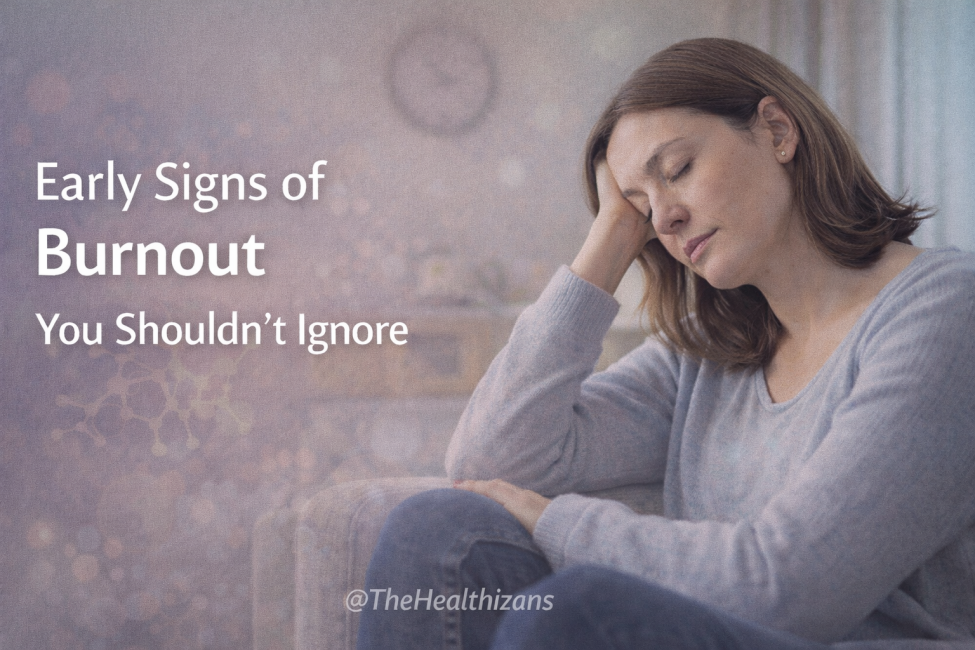
Burnout doesn’t happen overnight. It builds slowly, often in people who are highly committed, responsible, and used to pushing through pressure. By the time burnout is recognised, many people are already physically exhausted, emotionally drained, and mentally overwhelmed.
Understanding the early signs of burnout is essential — not as a label, but as a warning signal. When recognised early, burnout can often be reversed with rest, support, and changes to workload or expectations.
What Burnout Really Is
Burnout is a state of chronic physical and emotional exhaustion caused by prolonged stress, particularly when demands consistently outweigh recovery. It is commonly associated with work, but it can also arise from caregiving, long-term illness, financial strain, or sustained emotional pressure.
Burnout is not the same as ordinary stress, and it is not a personal failure. It reflects an imbalance between effort and recovery over time.
Why Burnout Is Often Missed
Early burnout often looks like dedication. People may still perform well, meet deadlines, and care for others — while feeling increasingly depleted inside. Because exhaustion becomes “normalised,” the early warning signs are frequently ignored or minimised.
Burnout can also overlap with early signs of depression and anxiety, making it harder to recognise without stepping back and looking at the bigger picture.
The Early Signs You Shouldn’t Ignore
These signs tend to develop gradually. When several appear together or persist over time, they’re worth paying attention to. Some of the early signs to look out for include:
1. Persistent Exhaustion That Rest Doesn’t Fix
Feeling tired all the time — even after sleep or time off — is one of the earliest indicators. This exhaustion is often deeper than normal tiredness and may feel both physical and mental.
2. Reduced Motivation or Engagement
Tasks that once felt manageable or meaningful may start to feel draining. You may find yourself procrastinating more, feeling detached from work or responsibilities, or struggling to care about outcomes.
3. Increased Irritability or Emotional Sensitivity
Early burnout often shows up as short temper, frustration, or feeling emotionally “thin-skinned.” Small issues may feel disproportionately overwhelming.
4. Difficulty Concentrating or Mental Fog
Burnout affects cognitive function. You may notice forgetfulness, slower thinking, or difficulty focusing — sometimes mistaken for ageing or lack of ability.
5. Physical Symptoms Without a Clear Cause
Headaches, muscle tension, digestive issues, chest tightness, or frequent minor illnesses can all appear early, as prolonged stress affects the nervous and immune systems.
6. Sleep Changes
Trouble falling asleep, waking frequently, or waking unrefreshed despite adequate sleep time are common early signs.
7. Emotional Detachment or Cynicism
Feeling emotionally distant, numb, or increasingly cynical — especially towards work, people, or responsibilities you once cared about — can be a key early signal.
8. Relying More on Stimulants or Coping Behaviours
Needing more caffeine to function, increased comfort eating, alcohol use, or scrolling to “switch off” can be subtle indicators that recovery isn’t happening naturally.
Burnout vs Stress vs Depression
It’s important to distinguish burnout from other conditions:
- Stress is often short-term and improves with rest.
- Burnout is longer-term and persists despite time off.
- Depression affects mood, self-worth, and interest across all areas of life.
Burnout can increase the risk of developing depression, which is why recognising it early matters.
Who Is Most at Risk?
Burnout can affect anyone, but risk is higher among:
- people in high-responsibility roles
- healthcare, education, and caregiving professionals
- people with little control over workload
- those who struggle to set boundaries
- individuals balancing work with caregiving or health challenges
Importantly, burnout often affects people who care deeply and try hard — not those who “can’t cope.”
Why Early Recognition Matters
Left unaddressed, burnout can lead to:
- chronic exhaustion
- anxiety or depression
- physical health problems
- reduced performance and satisfaction
- long recovery periods
Early recognition allows for adjustments before deeper harm occurs.
What Helps in the Early Stages
Early burnout often improves with:
- reducing sustained overload
- restoring rest and recovery time
- setting clearer boundaries
- supportive conversations at work or home
- professional support when needed
Small changes made early are far more effective than major interventions later.
When to Seek Support
You should consider seeking help if:
- exhaustion persists for weeks
- work or daily life feels unmanageable
- emotional numbness or detachment grows
- physical symptoms increase
- rest no longer helps
Support can include occupational health, GP support, counselling, or workplace adjustments.
The Bottom Line
The early signs of burnout are often quiet but meaningful. Persistent exhaustion, loss of motivation, irritability, brain fog, and physical symptoms are signals — not weaknesses.
Burnout is a health issue, not a personal failing. Paying attention early can protect your mental health, physical wellbeing, and long-term quality of life.
Sources
- World Health Organization — Burn-out (ICD-11)
- NHS — Stress and Burnout
- Mind UK — Burnout
- Harvard Business Review — Burnout Research
About the Author