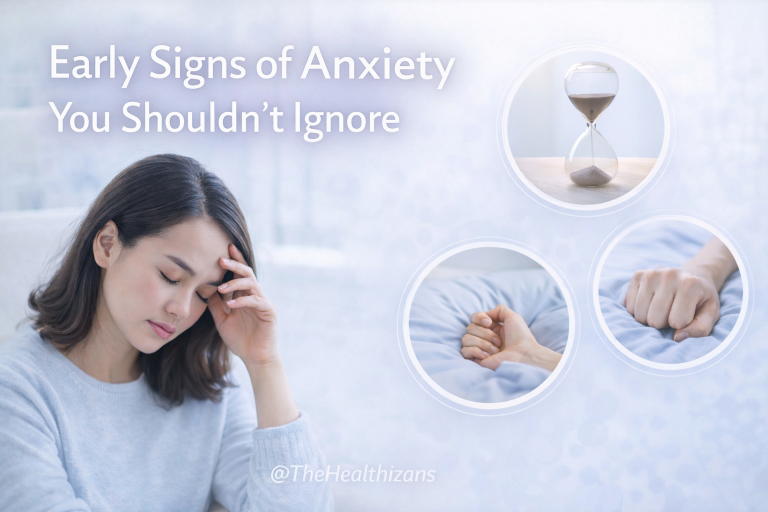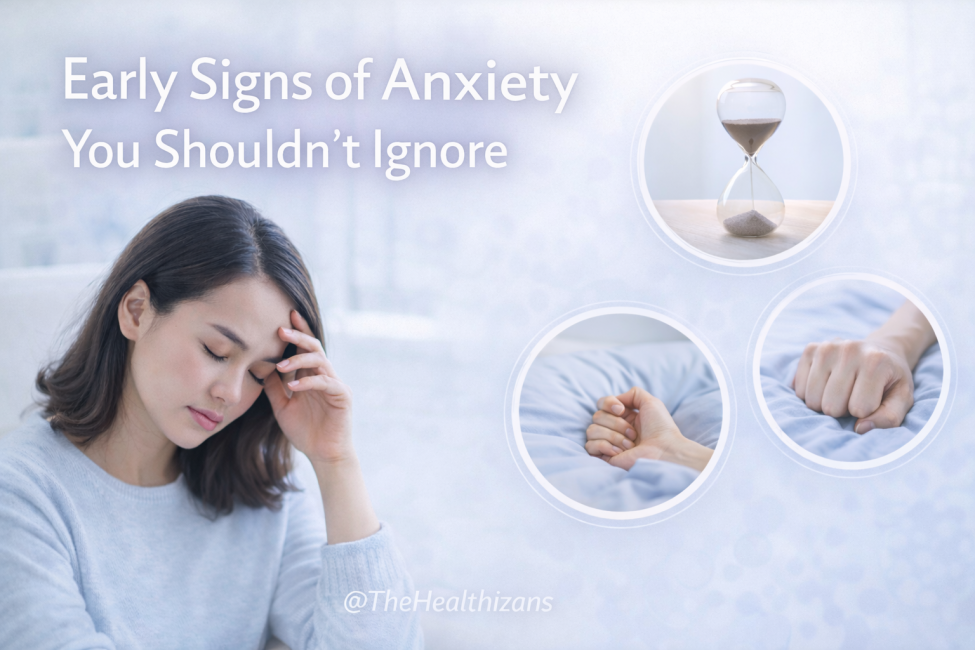
Anxiety doesn’t always arrive as panic attacks or overwhelming fear. For many people, it begins quietly — as persistent tension, overthinking, restlessness, or subtle physical symptoms that are easy to dismiss.
Because anxiety often develops gradually, early signs are frequently normalised or explained away as stress, personality traits, or a “busy phase of life.” Recognising these early signs matters, not because anxiety is dangerous in itself, but because early support can prevent it from becoming more disruptive to daily life and wellbeing.
Anxiety vs Normal Stress
Stress is a normal response to pressure and usually settles when the situation improves. Anxiety, on the other hand, tends to persist even when there’s no immediate threat — and can affect thoughts, emotions, sleep, and the body.
Many people live with low-level anxiety for months or years without realising that what they’re experiencing is treatable and common.
Why Early Signs of Anxiety Are Often Missed
Early anxiety often shows up in ways that don’t feel “mental” at all. Physical symptoms such as fatigue, stomach discomfort, muscle tension, or poor sleep may take centre stage.
This overlap means anxiety is frequently mistaken for physical conditions like early signs of anaemia, hormonal changes, or even early signs of insulin resistance, especially when tiredness and brain fog are involved.
The Early Signs You Shouldn’t Ignore
These signs can appear alone or together and often fluctuate in intensity. Some of the early signs to look out for include:
1. Constant Worry or Overthinking
Persistent worry about everyday situations — even when things are going well — is one of the most common early signs. You may find it hard to “switch off” your thoughts or feel stuck in worst-case scenarios.
2. Feeling Restless or On Edge
A sense of inner tension, irritability, or feeling unable to relax can be an early signal. Many people describe it as feeling constantly “wired,” even when physically tired.
3. Physical Tension or Aches
Anxiety often manifests physically. Tight shoulders, jaw clenching, headaches, or unexplained muscle aches can all be early signs of prolonged nervous system activation.
4. Changes in Sleep
Difficulty falling asleep, frequent waking, or waking unrefreshed are common early indicators. Poor sleep can then intensify anxiety, creating a cycle that’s easy to miss in the early stages.
Sleep disruption is also seen in early signs of burnout, which often overlaps closely with anxiety.
5. Digestive Discomfort
The gut and brain are closely connected. Early anxiety may show up as nausea, bloating, reduced appetite, or a “knotted” stomach — symptoms often mistaken for digestive problems.
6. Fatigue or Low Energy
Living in a constant state of alertness is exhausting. Many people with early anxiety report feeling drained, even without doing more physically — a symptom also seen in early signs of vitamin B12 deficiency and early signs of anaemia.
7. Avoidance Behaviours
You may start avoiding certain situations, conversations, or decisions — not because you don’t care, but because they feel mentally overwhelming.
Avoidance is an important early clue that anxiety may be shaping behaviour.
8. Heightened Sensitivity
Increased sensitivity to noise, light, criticism, or emotional situations can signal an overactive stress response. Small things may feel disproportionately intense.
Who Is More Likely to Experience Anxiety?
Anxiety can affect anyone, but it’s more common among people who:
- experience chronic stress
- have perfectionist or high-responsibility roles
- are managing health concerns or uncertainty
- have a personal or family history of anxiety
- are already experiencing early signs of burnout
Anxiety is not a weakness — it’s a human nervous system response.
Why Early Recognition Matters
Left unaddressed, anxiety can:
- worsen sleep and concentration
- increase the risk of depression
- affect physical health (including blood pressure and digestion)
- reduce quality of life and confidence
Early support can significantly reduce severity and prevent escalation.
What Helps in the Early Stages
Early anxiety often responds well to:
- improved sleep routines
- stress-reduction strategies
- gentle physical activity
- talking therapies or counselling
- addressing overlapping health issues
Small steps taken early are often far more effective than waiting until symptoms become overwhelming.
When to Seek Support
Consider speaking with a healthcare professional if:
- anxiety persists most days
- worry interferes with sleep or daily tasks
- physical symptoms increase without clear cause
- avoidance begins limiting your life
Support may include self-help strategies, talking therapies, or medical advice — tailored to your needs.
The Bottom Line
The early signs of anxiety are often subtle but meaningful. Persistent worry, restlessness, physical tension, sleep changes, and fatigue are signals worth listening to — not ignoring.
Anxiety is common, treatable, and nothing to be ashamed of. Recognising it early can protect both mental and physical wellbeing and make recovery smoother.
Sources
- NHS — Anxiety Disorders
- World Health Organization — Mental Health
- Mind UK — Anxiety
- National Institute of Mental Health — Anxiety Disorders
About the Author