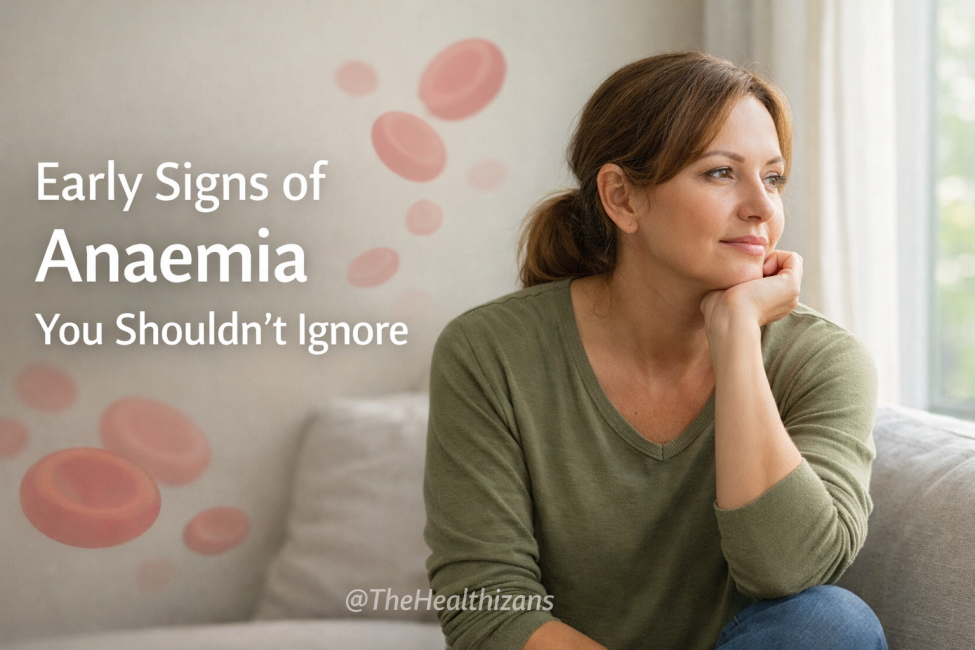
Anaemia is one of the most common blood conditions worldwide, yet its early signs are often subtle and easy to dismiss. Many people live with low iron or reduced red blood cells for months — sometimes years — before realising something isn’t right. Because the symptoms can develop gradually, they’re frequently mistaken for stress, poor sleep, or simply being “run down.”
Recognising the early signs of anaemia matters. When caught early, it’s usually straightforward to treat and can significantly improve energy levels, concentration, and overall wellbeing.
What Is Anaemia?
Anaemia occurs when the body doesn’t have enough healthy red blood cells or haemoglobin to carry oxygen efficiently around the body. Oxygen is essential for energy, brain function, muscle activity, and organ health — so when levels drop, the effects can be felt throughout the body.
There are several types of anaemia, but iron-deficiency anaemia is by far the most common.
Why Anaemia Is Often Missed Early
Anaemia rarely causes sudden or dramatic symptoms at first. Instead, the body adapts gradually to lower oxygen levels, masking early warning signs. Busy lifestyles, caring responsibilities, and cultural norms around “pushing through tiredness” also contribute to delays in diagnosis.
Women of reproductive age, people with restrictive diets, older adults, and those with chronic health conditions are particularly at risk.
The Early Signs You Shouldn’t Ignore
These signs often appear gradually, making them easy to dismiss as stress or everyday tiredness. But when they persist, they can be early signals that your body isn’t getting enough oxygen — something worth paying attention to sooner rather than later. Some of the early signs to look out for include:
1. Persistent Fatigue or Low Energy
Feeling tired most days — even after rest — is one of the earliest and most common signs. This fatigue often feels physical rather than mental, with a sense of heaviness or weakness. Ongoing fatigue and difficulty concentrating can also overlap with other deficiencies — for example, early signs of vitamin B12 deficiency, which affect the nervous system as well as energy levels.
2. Pale Skin or Pale Inner Eyelids
Reduced haemoglobin can cause the skin, gums, or inner eyelids to look paler than usual. This may be subtle at first and easier to notice when compared with past photos or in natural light.
3. Shortness of Breath With Mild Activity
Activities that once felt easy — such as climbing stairs or walking short distances — may suddenly feel more tiring. This happens because the body is working harder to deliver oxygen.
4. Dizziness or Lightheadedness
Low oxygen delivery to the brain can cause dizziness, especially when standing up quickly. Some people also report headaches or a “foggy” feeling.
5. Cold Hands and Feet
Poor oxygen transport affects circulation to the extremities, making hands and feet feel cold more often — even in warm environments. Cold hands and feet aren’t always caused by temperature alone — they can also appear alongside early signs of poor circulation, especially when oxygen delivery around the body is reduced.
6. Heart Palpitations
When oxygen levels are low, the heart may beat faster to compensate. This can feel like fluttering, pounding, or an unusually fast heartbeat.
7. Brittle Nails or Hair Thinning
Over time, anaemia can affect hair and nail health. Nails may become brittle, thin, or spoon-shaped, while hair may shed more than usual.
8. Difficulty Concentrating
Low iron levels affect brain function. Many people notice poor focus, forgetfulness, or difficulty processing information — often mistaken for stress or burnout.
9. Cravings for Non-Food Items
Some people develop cravings for ice, clay, chalk, or paper — a condition known as pica. This is a less common but notable early sign of iron-deficiency anaemia.
Who Is Most at Risk?
Anaemia can affect anyone, but risk is higher in:
- people with heavy menstrual bleeding
- pregnant or postpartum women
- people with low-iron diets (including some vegetarians and vegans)
- individuals with digestive conditions affecting absorption
- people with chronic kidney disease or inflammatory conditions
- older adults
- frequent blood donors
Why Early Recognition Matters
Untreated anaemia can lead to:
- worsening fatigue
- reduced immunity
- heart strain
- complications in pregnancy
- impaired cognitive function
- reduced quality of life
Early detection allows for simple interventions before these complications develop.
How Anaemia Is Diagnosed
Diagnosis usually involves a blood test, including:
- full blood count (FBC)
- haemoglobin levels
- ferritin (iron stores)
- vitamin B12 and folate levels (if needed)
These tests help identify the type and cause of anaemia.
How Anaemia Is Treated
Treatment depends on the cause but may include:
- iron supplementation
- dietary changes (iron-rich foods)
- treating underlying causes such as bleeding or absorption issues
- vitamin B12 or folate supplementation
- monitoring and follow-up blood tests
Most people notice improvements in energy within weeks of starting treatment.
The Bottom Line
The early signs of anaemia are often quiet but meaningful. Persistent fatigue, breathlessness, dizziness, pale skin, or difficulty concentrating are not things to ignore — especially if they persist or worsen.
Anaemia is common, treatable, and often reversible. Listening to your body early can restore energy, protect long-term health, and prevent unnecessary complications.
Sources
- NHS — Anaemia
- World Health Organization — Anaemia
- National Institutes of Health — Iron-Deficiency Anaemia
- Mayo Clinic — Anaemia
About the Author