You may not have heard of it, but diverticulitis is more common than many people realise — especially as we get older. In fact, it’s estimated that by age 60, nearly half of people will have diverticula (small bulges in the colon wall), and some of them will develop diverticulitis. While mild cases can be managed with simple lifestyle adjustments, severe flare-ups may lead to hospitalisation or even surgery. Understanding what triggers diverticulitis and how to prevent it can make a real difference for long-term gut health.
🩺 What Is Diverticulitis?
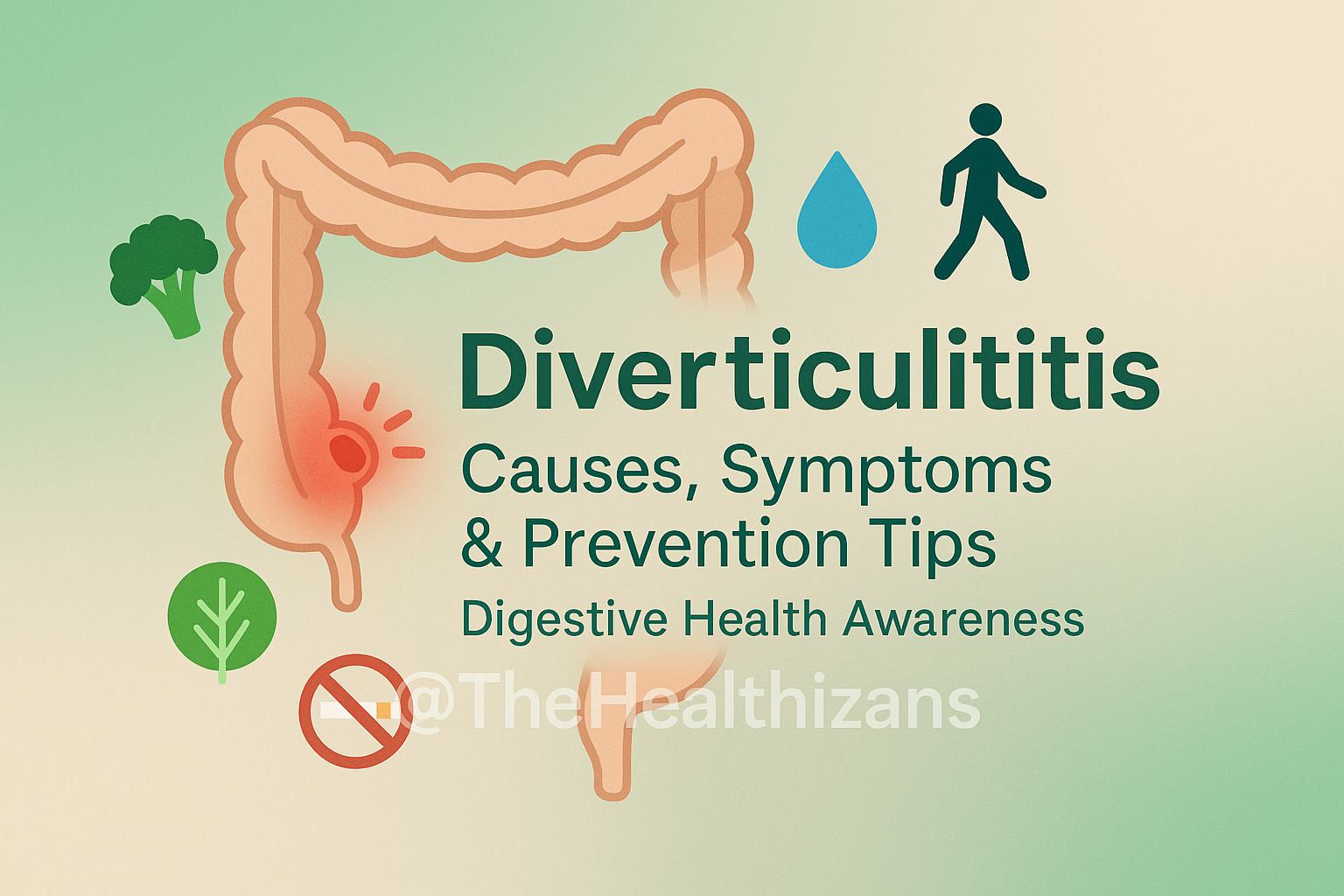
Diverticulitis occurs when tiny pouches called diverticula, which form in the lining of the colon, become inflamed or infected. These pouches themselves (a condition called diverticulosis) are usually harmless and often go unnoticed. The problem begins when they get blocked or irritated, leading to pain, infection, or even complications like abscesses.
🔎 What Causes It?
The exact cause isn’t fully understood, but several risk factors are clear:
- Low-fibre diets: Without enough fibre, stools become harder, and the colon has to strain, increasing pressure that leads to diverticula.
- Ageing: The risk increases with age, especially after 40.
- Sedentary lifestyle: Lack of movement can slow digestion and increase bowel pressure.
- Obesity and smoking: Both are linked with higher risk of diverticulitis flare-ups.
- Certain medications: Long-term use of steroids, opioids, or NSAIDs may raise the risk.
🤕 Symptoms to Watch For
Typical signs of diverticulitis include:
- Persistent pain (often in the lower left side of the abdomen)
- Fever and chills
- Nausea and vomiting
- Constipation or diarrhoea
- Bloating or tenderness in the belly
🚨 Severe cases can cause bleeding, abscesses, or even bowel obstruction — these require urgent medical attention.
🌿 How Is Diverticulitis Treated?
- Mild cases: Managed with rest, liquid diets, and antibiotics.
- Moderate to severe cases: May require hospital treatment, IV antibiotics, or in rare cases, surgery.
Early recognition and medical advice are essential — untreated diverticulitis can lead to serious complications.
🛡️ Prevention Tips
The good news? Lifestyle plays a huge role in prevention:
- Eat a high-fibre diet — wholegrains, fruit, vegetables, and legumes keep stools soft and reduce pressure on the colon.
- Stay hydrated — fluids help fibre do its job.
- Stay active — regular exercise supports healthy bowel movements.
- Quit smoking — reduces risk of flare-ups and complications.
- Maintain a healthy weight — lowers pressure in the colon.
Interestingly, old advice suggested avoiding nuts, seeds, or popcorn, but research shows these foods do not increase risk and are safe for most people.
🌍 A Global Perspective
Diverticulitis is far more common in Western countries, where low-fibre, high-processed diets are prevalent. In contrast, it is relatively rare in regions where people eat mostly plant-based, fibre-rich diets. As lifestyles change worldwide, the prevalence of diverticulitis is increasing in urban areas across Asia, Africa, and Latin America — highlighting the importance of diet and lifestyle in prevention.
✅ Key Takeaway
Diverticulitis may sound intimidating, but the foundations of prevention are simple: fibre, fluids, and movement. A healthy lifestyle not only reduces the risk of flare-ups but also supports overall gut health.
🤔 What’s Your Take?
Have you or someone you know experienced diverticulitis? Which lifestyle changes or remedies made the biggest difference? Share your story with @TheHealthizans community 👇
📚 Sources
- NHS. Diverticular Disease and Diverticulitis. Updated 2023.
- American College of Gastroenterology. Diverticulitis Clinical Guidelines. 2021.
- World Gastroenterology Organisation (WGO). Diverticular Disease: A Global View. 2020.
- British Nutrition Foundation. Fibre and Gut Health. 2022.
About the Author