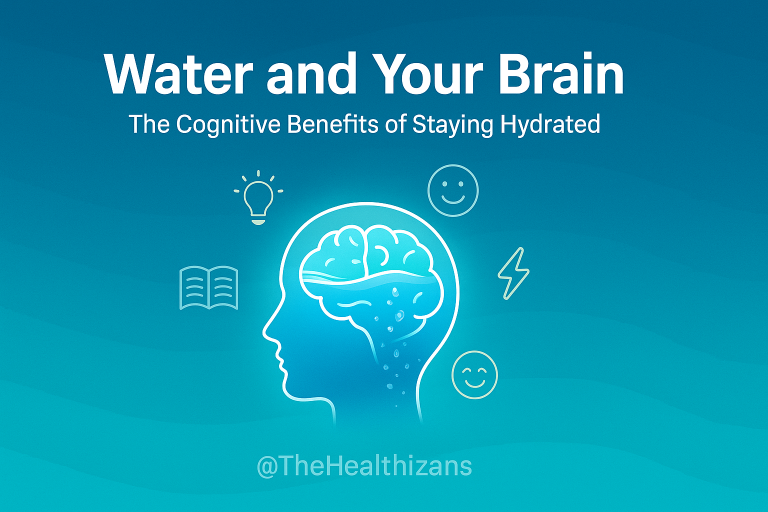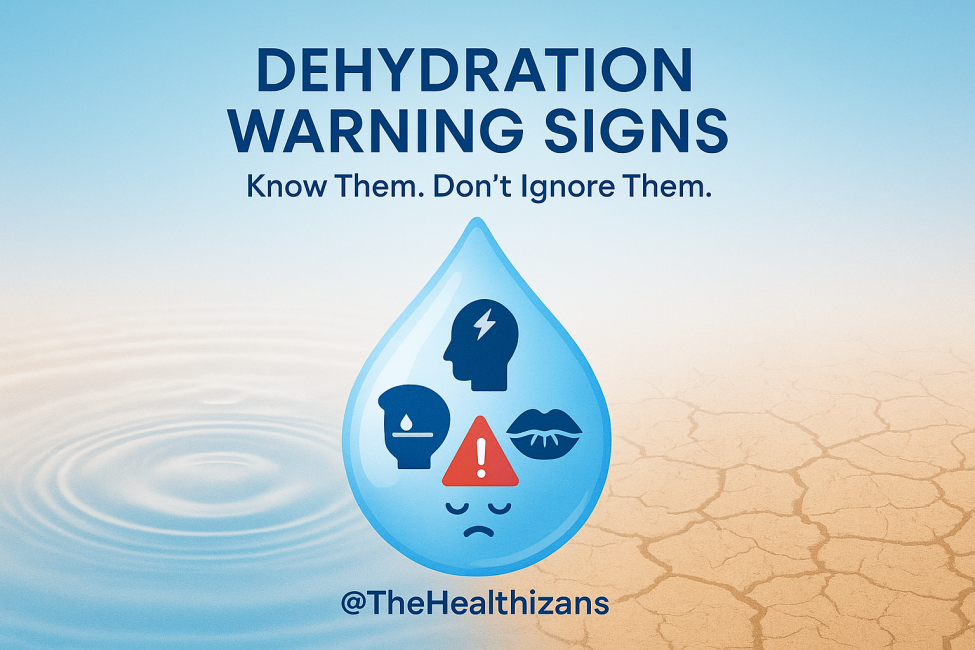
We often think dehydration only happens when it’s scorching hot outside or after a long run. But the truth? It can creep up on anyone, at any time. Even mild dehydration — losing just 1–2% of your body’s water — can affect your mood, energy, and focus. Curious how much water you should be drinking daily? Check out our full guide here.
In this article, we’ll explore the key warning signs, why they matter, and what you can do to stay ahead of dehydration. 🌍💧
🧠 Why Dehydration Is a Bigger Deal Than You Think
Water makes up 50–70% of your body. It:
- Helps your brain think clearly
- Supports digestion and nutrient absorption
- Keeps your joints cushioned
- Regulates body temperature
- Flushes waste through your kidneys
When you’re dehydrated, all these systems start to struggle — sometimes in ways you don’t immediately notice.
⚠️ Key Warning Signs to Watch For
🟤 1. Dark Yellow Urine
Urine colour is one of the easiest hydration checks. Pale straw = hydrated. Dark amber = drink up.
🤕 2. Headaches & Dizziness
Your brain needs water to function. Dehydration can shrink brain tissue slightly, triggering headaches and lightheadedness.
😴 3. Fatigue & Irritability
If you’re feeling sluggish or cranky, it might not be stress or lack of sleep — it could be dehydration.
👄 4. Dry Mouth, Lips & Skin
Dehydration reduces saliva production, causing dry mouth and cracked lips. Your skin may also lose elasticity and look dull.
🍽️ 5. Constipation
Without enough water, your intestines can’t move waste efficiently, leading to bloating and irregular bowel movements.
🧍 6. Muscle Cramps
Loss of fluids and electrolytes makes muscles more prone to spasms and cramps, especially during exercise.
🚑 When Dehydration Becomes Serious
Severe dehydration is a medical emergency. Call for help if you notice:
- Very little or no urine for many hours
- Rapid heartbeat or breathing
- Sunken eyes, confusion, or fainting
- In children: no tears when crying, dry nappies for 3+ hours
🥤 Simple Prevention Tips
- Carry a reusable bottle everywhere
- Drink water with every meal and snack
- Snack on water-rich foods (cucumber, melon, oranges)
- Set hydration reminders on your phone or smartwatch
- Increase fluid intake during heat, illness, or exercise
🌍 A Global Wellness Note
Cultures worldwide have long used hydration rituals to prevent dehydration — from sipping warm teas in East Asia to drinking light buttermilk in India. The lesson? Hydration isn’t just about quantity, it’s about building habits that fit your lifestyle.
✅ Quick Recap
📌 Mild dehydration already affects mood, focus, and digestion
📌 Dark urine, headaches, dry lips, and fatigue are red flags
📌 Severe dehydration is a medical emergency — act quickly
📌 Prevention is simple: drink regularly, eat hydrating foods, and listen to your body
💬 What’s Your Take?
Have you ever mistaken dehydration for hunger, tiredness, or stress?
What hydration tricks help you avoid it? Share your experience and tag @TheHealthizans so others can learn too!
📚 Sources
- NHS – How to Tell if You’re Dehydrated
- Mayo Clinic – Dehydration: Symptoms and Causes
- World Health Organization – Safe Hydration and Health Guidance
About the Author