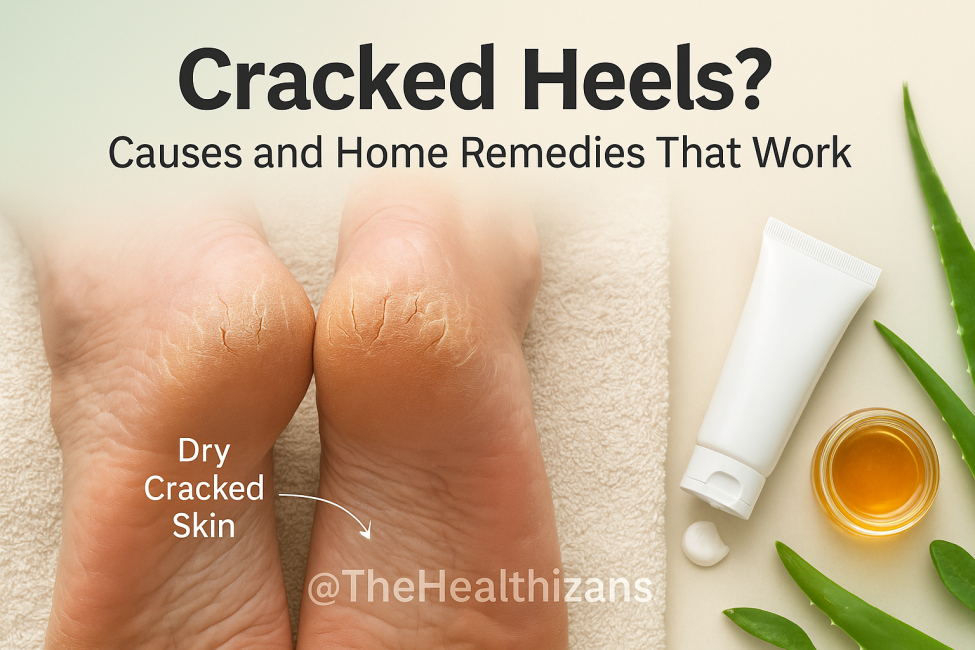
Ever looked down at your feet and noticed dry, flaky skin or painful cracks on your heels? You’re not alone. Cracked heels — also called heel fissures — are among the most common foot problems worldwide, especially in dry or hot climates.
While they may seem like just a cosmetic issue, cracked heels can be uncomfortable, painful, and in some cases, lead to infection. The good news? With a little care, moisture, and patience, you can restore smooth, healthy heels right at home.
🦶 Why Do Heels Crack?
Your heels bear the weight of your entire body every day, and the skin there is naturally thicker to handle pressure. But when that skin becomes too dry or loses elasticity, it starts to split — resulting in cracked heels.
Common causes include:
- Dry skin from cold weather, dehydration, or ageing.
- Walking barefoot or wearing open-back shoes frequently.
- Standing for long hours on hard floors.
- Hot showers or harsh soaps that strip natural oils.
- Medical conditions such as diabetes, eczema, thyroid issues, or obesity.
In many cases, cracked heels are simply due to neglected moisturising — but if deep fissures form, they can become painful or even infected.
💡 How to Recognise Cracked Heels Early
Look out for:
- Dry, rough, or flaky skin around your heel.
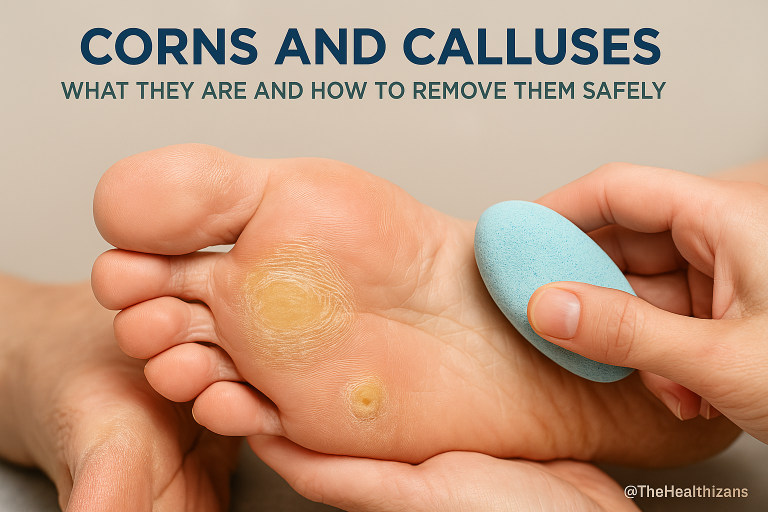
- Thickened, yellowish callus skin that starts to split.
- Redness, bleeding, or pain when walking (in severe cases).
Catching the problem early makes it much easier to treat — before it becomes painful or unsightly.
🌿 Home Remedies That Actually Work
Thankfully, you can treat most cases of cracked heels with simple home care. Here’s what dermatologists and podiatrists often recommend:
1. Soak and Exfoliate
Soak your feet in warm, soapy water for 10–15 minutes to soften the skin. Then gently remove dead skin with a pumice stone or foot file. Avoid being too aggressive — over-exfoliating can make cracks worse.
2. Moisturise Deeply
After washing, apply a thick foot cream or heel balm that contains urea, shea butter, glycerin, or lanolin. These ingredients help seal in moisture and repair the skin barrier.
3. Lock in Moisture Overnight
Before bed, apply moisturiser and wear cotton socks to help it absorb overnight. You’ll wake up with noticeably softer heels.
4. Use Natural Remedies
- Coconut oil: Antibacterial and deeply hydrating.
- Honey: Natural humectant that retains moisture and fights infection.
- Aloe vera gel: Soothes and softens dry, irritated skin.
These can be applied alone or after exfoliation to boost hydration.
5. Stay Hydrated
Drinking enough water helps maintain skin elasticity from the inside out.
👟 Prevention Tips for Smooth Heels
Once your heels heal, keep them that way with these preventive habits:
- Moisturise your feet daily, especially after showers.
- Avoid walking barefoot on rough or dirty surfaces.
- Choose closed-back shoes that protect your heels.
- Wear supportive footwear if you stand for long periods.
- Trim thick calluses gently when they appear.
⚠️ When to See a Doctor
You should see a podiatrist or GP if your cracked heels:
- Bleed or become infected.
- Are very painful or swollen.
- Don’t improve after two weeks of home care.
- Occur frequently despite moisturising.
People with diabetes or circulation problems should be extra cautious — even small cracks can lead to serious complications if untreated.
💬 Also, check out our article on Swollen Feet and Ankles: Common Causes and When to Worry — since both conditions often stem from poor circulation or prolonged standing.
💡 Key Takeaway
Cracked heels are common but completely treatable. Consistent moisturising, gentle exfoliation, and protective footwear can keep your feet soft, smooth, and pain-free.
💬 What’s Your Take?
Do you struggle with dry, cracked heels? What’s your go-to fix — natural oils, heel balm, or a good soak? Share your secret in the comments — your tip might help someone walk more comfortably!
📚 Sources
- NHS. Cracked Heels and Foot Care Advice.
- American Podiatric Medical Association. Heel Fissures and Dry Skin Management.
- Cleveland Clinic. How to Heal Dry, Cracked Heels.
- Healthline. Home Remedies for Cracked Heels.
About the Author