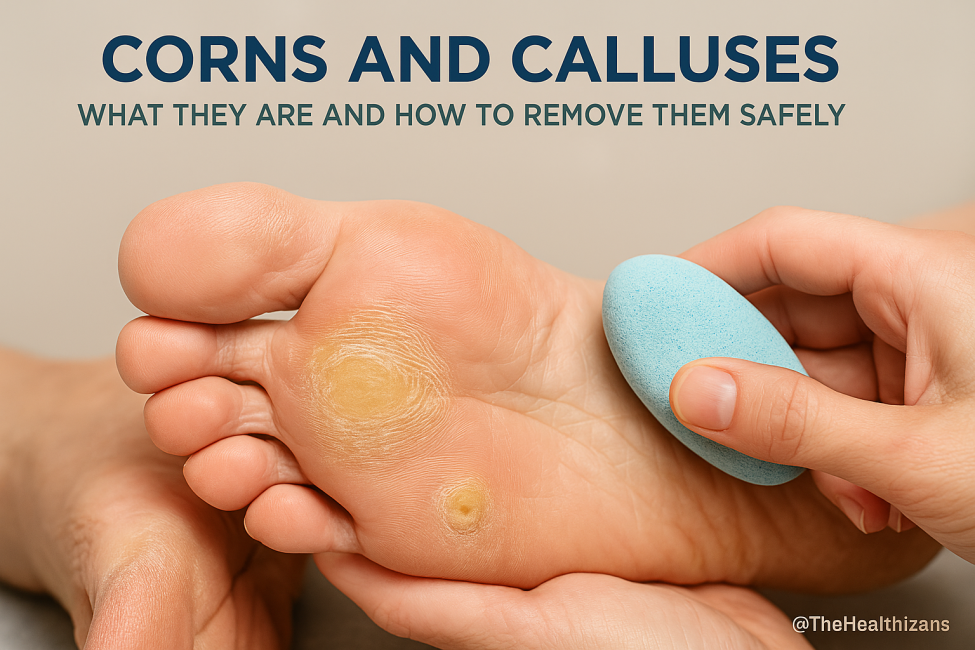
If you’ve ever noticed thick, hardened skin on your toes or the bottom of your feet, you’re likely dealing with corns and calluses. They’re incredibly common — especially if you spend long hours on your feet, wear tight shoes, or walk barefoot often. And while they’re usually harmless, corns and calluses can become painful if ignored for too long.
The good news? With a few simple steps and the right foot care habits, you can soften, treat, and prevent them safely at home. Let’s explore what causes them, how to tell the difference, and the best ways to treat them without harming your skin.
🦶 What Exactly Are Corns and Calluses?
Although the terms often get mixed up, corns and calluses are not the same thing — but both are your skin’s way of protecting itself from repeated pressure and friction.
Calluses
Calluses usually form on weight-bearing areas such as the heels, balls of the feet, or edges of the toes. They are:
- Larger and more spread out
- Yellowish or grey in colour
- Not typically painful
- Caused by repeated rubbing or pressure
Corns
Corns are smaller but can be much more uncomfortable. They are:
- Cone-shaped thickened bumps
- Often found on the tops or sides of toes
- Can be tender or painful
- Usually caused by shoes that rub
Understanding which one you have is key to choosing the right treatment.
🔍 What Causes Corns and Calluses?
Corns and calluses occur when your skin thickens to protect itself. The most common causes include:
- Tight or ill-fitting shoes that compress your toes
- High heels, which increase pressure on the balls of your feet
- Walking barefoot regularly
- Long hours of standing or walking on hard surfaces
- Foot deformities such as hammertoe or bunions
- Improper gait or uneven weight distribution
- Not moisturising regularly, especially in dry weather
People with diabetes or poor circulation are also more prone to developing corns and calluses — and need to take extra care to avoid complications.
🌿 How to Remove Corns and Calluses Safely
The aim is to soften and reduce the thickened skin — not to cut it off. Here’s what experts typically recommend:
1. Soak and Soften – Start by soaking your feet in warm, soapy water for 10–15 minutes. This softens the thickened skin and makes exfoliation safer.
2. Gently Exfoliate – Use a pumice stone or foot file to gently remove the top layers of hardened skin. Don’t be aggressive — over-filing can cause pain or bleeding.
3. Apply Moisturiser – Follow up with a rich foot cream or urea-based moisturiser to help break down thick callus skin and restore hydration.
4. Use Protective Pads – For corns, apply non-medicated corn pads or toe sleeves to cushion the area and reduce rubbing.
5. Choose the Right Footwear – Switching to roomy, cushioned shoes with a wider toe box makes a huge difference. Soft, breathable materials help prevent excessive pressure.
6. Avoid Cutting Them Off – Never attempt to cut a corn or callus yourself. This can cause infection — especially if you have diabetes.
👟 Preventing Corns and Calluses Long Term
Consistent habits help keep your feet smooth and pain-free:
- Moisturise your feet daily, especially after bathing
- Keep toenails trimmed to prevent shoe pressure
- Wear supportive, well-fitting footwear
- Add gel insoles or foot cushions if you walk frequently
- Avoid prolonged barefoot walking on hard ground
Good foot hygiene reduces the risk of developing thickened skin and keeps your feet healthier overall.
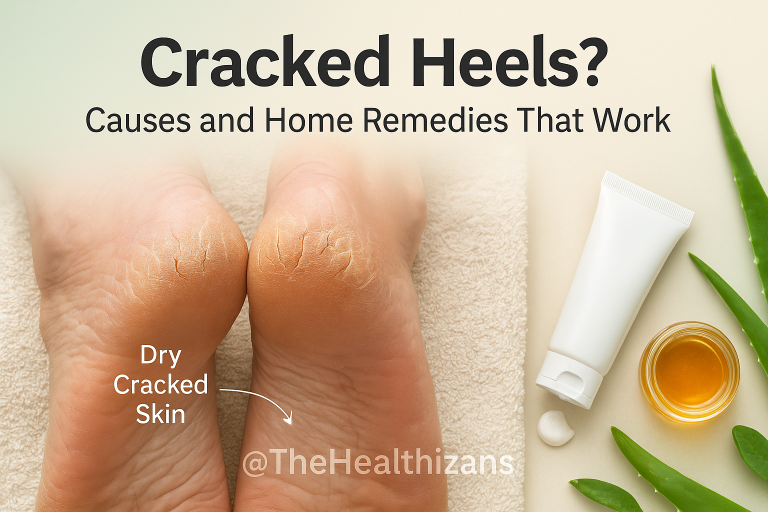
💬 Also, check out our article on How to Treat Cracked Heels: Causes and Home Remedies That Work — since dryness and pressure often go hand in hand with thickened skin on the feet.
💡 Key Takeaway
Corns and calluses are the result of pressure, friction, or lack of cushioning — but with the right care, they’re easy to treat and even easier to prevent. Soften regularly, moisturise often, and choose supportive shoes to keep your feet comfortable and healthy.
💬 What’s Your Take?
Do you get corns or calluses from certain shoes or long work shifts? What has worked best for you — foot files, moisturisers, or changing footwear? Share your experience below — your tip could help someone else!
📚 Sources
- NHS. Corns and Calluses: Causes, Treatment and Prevention.
- American Podiatric Medical Association. Foot Conditions: Corns & Calluses.
- Mayo Clinic. Corns and Calluses — Symptoms & Treatment.
- Cleveland Clinic. Corns and Calluses: Overview and Care.
About the Author