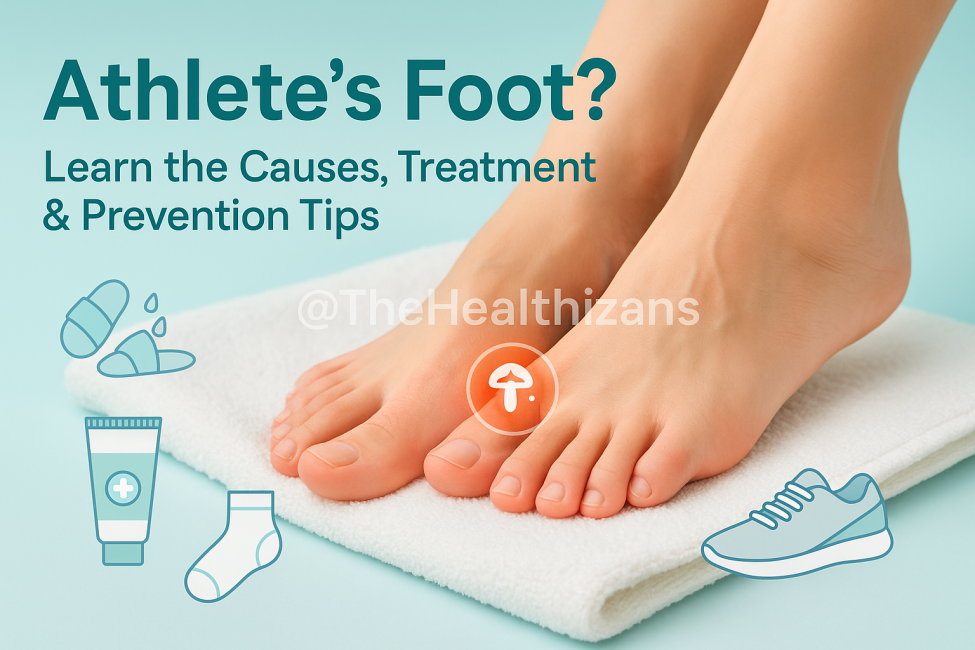
Ever noticed an itchy, burning sensation between your toes that just won’t go away? 👣 That’s one of the tell-tale signs of athlete’s foot — a common but often underestimated fungal infection that thrives in warm, damp places like shoes, socks, and locker rooms.
While it’s not dangerous, athlete’s foot can be stubborn and contagious, spreading to other parts of your body (and even other people) if not treated properly. The good news? With the right knowledge and habits, you can both manage and prevent it effectively.
🧠 What Is Athlete’s Foot?
Athlete’s foot (medically known as tinea pedis) is a fungal infection that affects the skin on your feet — especially between the toes. It’s caused by dermatophytes, a group of fungi that feed on keratin, the protein found in skin, hair, and nails.
Although anyone can get it, the name “athlete’s foot” comes from how frequently it occurs in athletes and gym-goers, who often wear tight shoes and experience sweaty feet — a perfect breeding ground for fungi.
🔍 Common Causes and Risk Factors
Athlete’s foot spreads through direct contact with contaminated surfaces or infected skin. You can catch it by walking barefoot in communal areas such as changing rooms, swimming pools, or hotel bathrooms.
Certain habits and conditions make infection more likely, including:
- Wearing tight, closed shoes that trap moisture.
- Using non-breathable socks or keeping them on for long hours.
- Having sweaty feet or poor foot hygiene.
- Sharing towels, socks, or footwear with someone who has the infection.
People with weakened immunity, diabetes, or nail fungus are also more susceptible.
⚠️ Signs and Symptoms
The symptoms of athlete’s foot can vary, but they often include:
- Persistent itching, burning, or stinging between the toes.
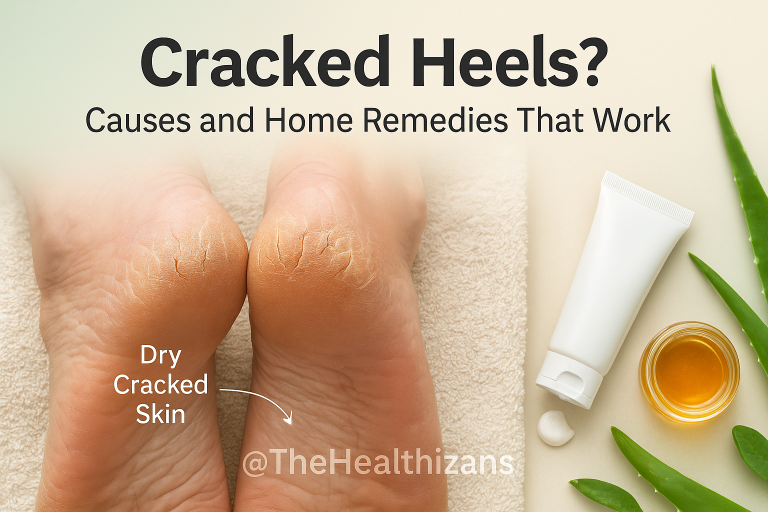
- Cracked, peeling, or scaly skin (especially near the soles).
- White, soggy skin patches that look irritated.
- Unpleasant foot odour or blisters in severe cases.
If left untreated, the fungus can spread to your toenails, causing nail fungus (onychomycosis), or to your hands — a condition known as tinea manuum.
🧴 Effective Treatments for Athlete’s Foot
The good news is that athlete’s foot usually responds well to simple treatments. Over-the-counter antifungal creams, sprays, or powders can clear most infections within a few weeks.
For mild cases, try these steps:
- Wash your feet daily with warm, soapy water and dry them thoroughly — especially between the toes.
- Apply an antifungal cream or spray (containing clotrimazole, terbinafine, or miconazole) as directed.
- Use antifungal foot powder to keep feet dry during the day.
- Change socks and shoes daily to prevent reinfection.
For more persistent cases, your doctor may prescribe stronger oral antifungal medication or check for underlying issues like diabetes or eczema.
🌿 Prevention: Small Habits, Big Difference
Prevention is the best cure for athlete’s foot, and it all starts with daily habits:
- Keep your feet dry — fungi love moisture.
- Choose breathable shoes made from natural materials.
- Wear cotton or moisture-wicking socks and change them if they get damp.
- Avoid walking barefoot in communal places.
- Disinfect your shoes and shower floors regularly.
Also, avoid sharing towels or nail clippers — fungi spread easily through shared surfaces.
💬 Also, check out our article on Ingrown Toenails: Causes, Symptoms, and Simple Home Remedies — because maintaining healthy feet goes hand in hand with preventing fungal and nail infections.
💡 Key Takeaway
Athlete’s foot may be common, but it’s preventable and treatable with proper hygiene and quick action. By keeping your feet clean, dry, and protected, you’ll not only stop the itch but also keep your toes healthy and fungus-free!
💬 What’s Your Take?
Have you ever dealt with athlete’s foot before? What helped you recover — medicated creams, natural remedies, or preventive habits? Share your experience in the comments — your tip might save someone else’s feet!
📚 Sources
- NHS. Athlete’s Foot (Tinea Pedis): Symptoms and Treatment.
- Mayo Clinic. Athlete’s Foot – Diagnosis and Treatment.
- Cleveland Clinic. Athlete’s Foot: Causes and Prevention.
- American Podiatric Medical Association. Foot Health and Fungal Infections.
About the Author