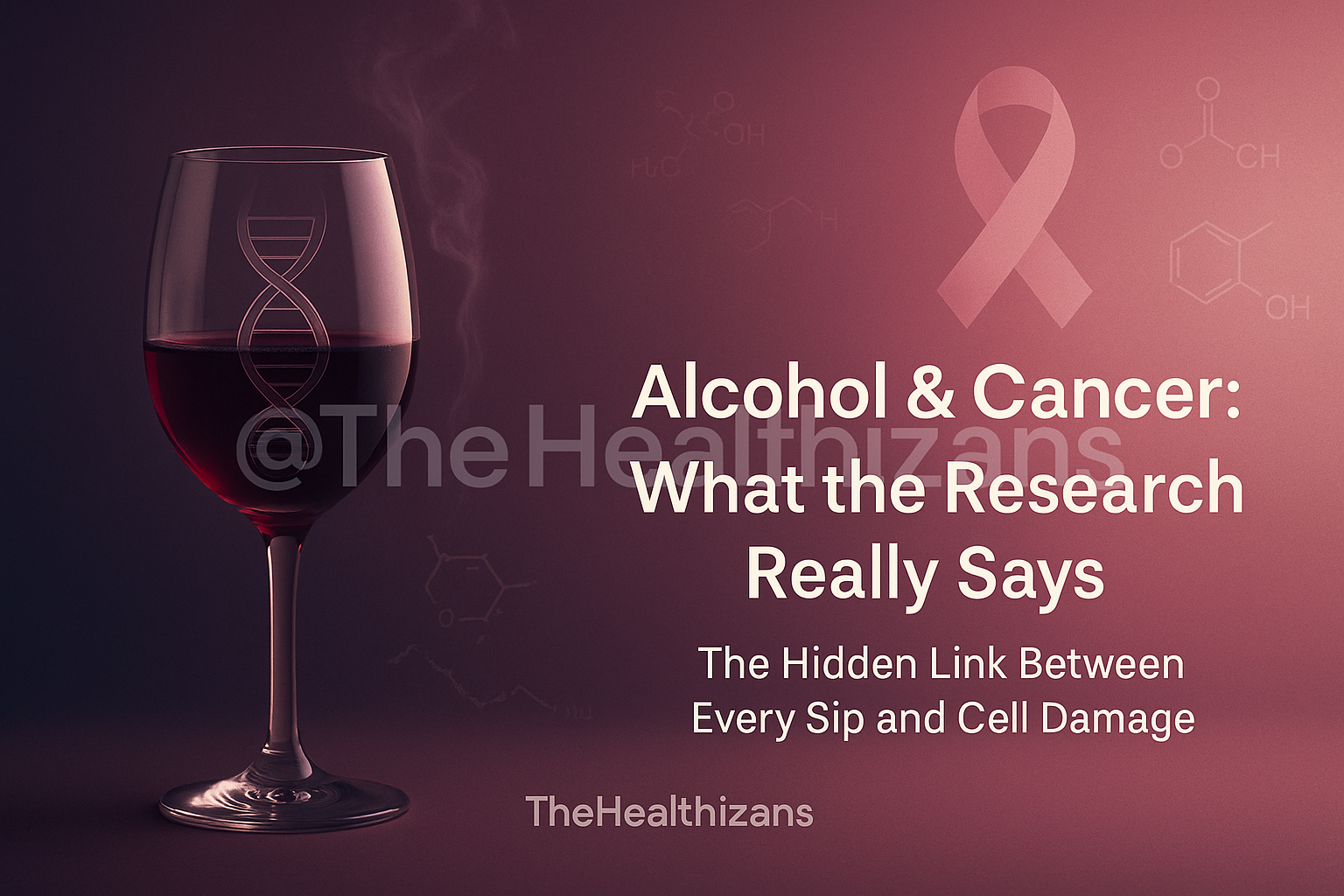
Many people think that a glass of wine or an occasional cocktail is harmless — even healthy. But in reality, alcohol and cancer are more closely linked than most of us realise. From the first sip to the final breakdown of alcohol in your body, a chain reaction begins that can quietly increase your risk of several cancers over time. Understanding how this happens isn’t about guilt — it’s about giving your body the informed care it deserves.
🧬 How Alcohol Damages Cells — The Science You Should Know
When you drink alcohol, your liver works to break it down into a compound called acetaldehyde — a toxic chemical that can damage your DNA. Damaged DNA means your cells can no longer repair themselves properly, which increases the risk of them turning cancerous.
Over time, these repeated cycles of drinking and repair failure can cause changes in the tissues of your mouth, throat, oesophagus, liver, breast, and colon — all of which are linked to alcohol-related cancers.
Furthermore, alcohol acts as a solvent, making it easier for other harmful chemicals (like those from smoking) to enter cells and cause even more damage. This is why people who both smoke and drink have a much higher cancer risk than those who do only one.
(See also our article on Why Quitting Smoking is the Best Gift to Your Heart & Lungs — where we discussed how smoking compounds cellular damage caused by alcohol.)
🍺 Even “Moderate Drinking” Isn’t Risk-Free
For years, moderate drinking — such as one drink a day — was thought to be safe, or even beneficial for the heart. However, newer research tells a different story.
According to the World Health Organization (WHO) and several large-scale studies, there is no safe level of alcohol consumption when it comes to cancer. Even small amounts increase the risk, especially for breast and oesophageal cancers.
In fact, alcohol is classified as a Group 1 carcinogen by the International Agency for Research on Cancer (IARC) — the same category as tobacco, asbestos, and ultraviolet radiation. This doesn’t mean everyone who drinks will get cancer, but it does mean that alcohol directly contributes to the development of cancer in humans.
🩸 Alcohol, Hormones, and the Cancer Connection
In women, alcohol can raise levels of oestrogen, a hormone that promotes the growth of certain breast cancers. This hormonal link is why even light drinking (as little as three drinks a week) can slightly increase breast cancer risk.
In men, heavy drinking affects testosterone levels and liver function, which can also increase the risk of liver and colorectal cancers. The more alcohol consumed, the greater the exposure — and the greater the risk.
🌿 The Good News: Risk Drops When You Cut Back
While these facts may sound alarming, here’s the empowering truth — the body begins to heal once you stop or reduce drinking. Within weeks of cutting back, liver function improves and acetaldehyde exposure decreases.
Over time, cells regain their normal repair mechanisms, and the risk of developing certain cancers begins to decline. The earlier you start reducing your intake, the more protection your body gains.
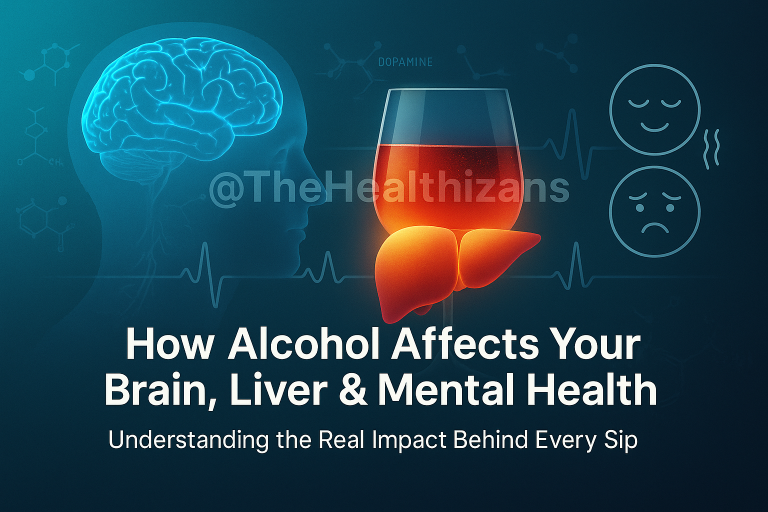
If you’re curious about how alcohol affects not just your organs but also your emotions and mental clarity, explore our previous post on How Alcohol Affects Your Brain, Liver, and Mental Health — it dives into the wider effects and shows how your body can recover.
❤️ Steps You Can Take Today
- Know your limits: Even small reductions can make a meaningful difference.
- Track your habits: Keep a weekly log or use a mindful drinking app.
- Go alcohol-free days: Give your liver a break several times a week.
- Replace the ritual: Try mocktails, sparkling water, or kombucha for social occasions.
- Get support: Talk to your GP or explore local quit-alcohol programmes if cutting back feels difficult.
These small, consistent changes not only protect against cancer but also improve your sleep, energy, and overall wellbeing.
✅ Final Thought
The link between alcohol and cancer isn’t just theory — it’s proven science. Still, knowledge is power. Reducing or avoiding alcohol doesn’t mean giving up joy or social life; it means giving your body the best chance to stay strong and healthy for years to come. Every mindful choice — every skipped drink — is a quiet act of prevention and self-care.
💬 What’s Your Take?
Did you know alcohol could increase your cancer risk? Have you tried reducing your intake or exploring alcohol-free alternatives? Share your story below 👇 — your experience might help someone else rethink their next drink.
📚 Sources
- World Health Organization (WHO): Alcohol and Cancer – Key Facts
- Cancer Research UK: Alcohol and Cancer Risk
- International Agency for Research on Cancer (IARC): Alcoholic Beverages Classified as Carcinogenic to Humans
- Harvard Health Publishing: Alcohol and Cancer Risk
- American Cancer Society: Alcohol Use and Cancer
About the Author