High blood pressure is often called the “silent condition” — and for good reason. Many people live with raised blood pressure for years without obvious symptoms, feeling generally well while damage quietly builds in the background.
That doesn’t mean the body gives no signals at all. In some people, subtle physical or functional changes appear early but are easy to dismiss as stress, tiredness, or ageing. Understanding these early signs isn’t about diagnosing yourself — it’s about recognising when checking your blood pressure could make a real difference.
Why High Blood Pressure Is So Often Missed
Blood pressure can rise gradually, allowing the body to adapt. Because there’s no sudden pain or illness, people assume everything is fine. This is similar to how early metabolic changes are missed in early signs of metabolic syndrome, or how people overlook early signs of poor circulation until symptoms become harder to ignore.
The most important thing to know is this:
the absence of symptoms does not mean blood pressure is normal.
What Is High Blood Pressure?
High blood pressure (hypertension) occurs when the force of blood pushing against artery walls is consistently too high. Over time, this strains the heart, blood vessels, kidneys, eyes, and brain.
Many people don’t realise they have high blood pressure until it’s picked up during a routine check — or after complications develop.
The Early Signs You Shouldn’t Ignore
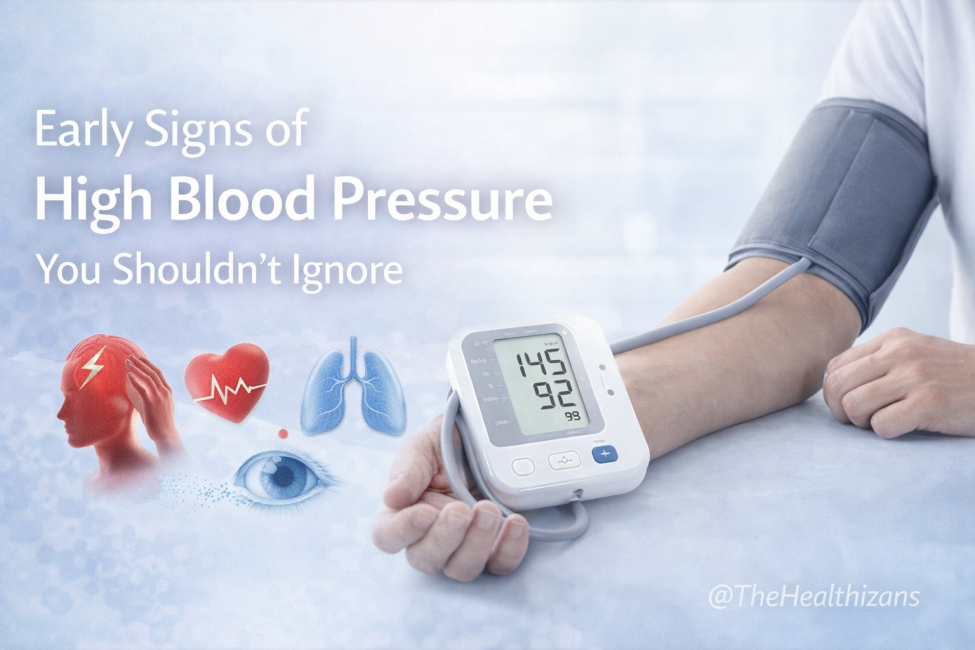
These signs are not always present, and when they are, they’re often mild. But when they occur repeatedly or together, they’re worth paying attention to. Some of the early signs to look out for include:
1. Frequent Headaches
Occasional headaches are common, but persistent or unusual headaches — particularly at the back of the head or on waking — may sometimes be linked to raised blood pressure.
Because headaches are so common, this sign is often dismissed, especially in people under pressure or experiencing early signs of burnout.
2. Dizziness or Lightheadedness
Feeling dizzy when standing up quickly or experiencing brief spells of lightheadedness can have many causes. In some cases, fluctuating or rising blood pressure may contribute — especially when combined with other symptoms.
3. Shortness of Breath With Mild Effort
Struggling to catch your breath during everyday activities can be an early sign that the heart is working harder than it should. This overlaps with symptoms seen in early signs of heart failure, which is why early checks matter.
4. Chest Tightness or Pressure
Not everyone experiences pain. Some people notice vague tightness, pressure, or discomfort in the chest, particularly during stress or exertion. This should never be ignored.
5. Visual Changes
Blurred vision, seeing spots, or brief visual disturbances may occur when high blood pressure affects the small blood vessels in the eyes. These symptoms are often transient and therefore easy to overlook.
6. Fatigue That Feels “Different”
Persistent fatigue that doesn’t improve with rest can sometimes be linked to cardiovascular strain. This kind of tiredness is frequently mistaken for stress, iron deficiency, or early signs of anaemia — another reason blood pressure checks are so important.
7. Nosebleeds (Occasional, Not Constant)
While nosebleeds are common and usually harmless, frequent or unexplained nosebleeds can occasionally be associated with significantly raised blood pressure — particularly in older adults.
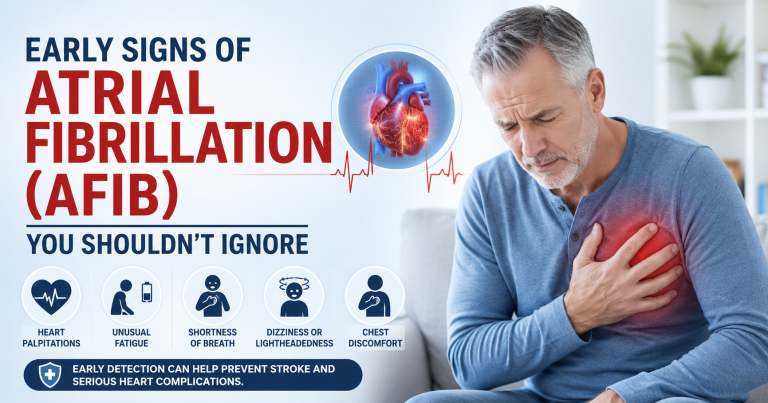
8. Palpitations or Awareness of Heartbeat
Feeling your heart racing, pounding, or skipping beats can be unsettling. While palpitations have many causes, high blood pressure can increase the likelihood of rhythm disturbances, including those seen in early signs of atrial fibrillation.
Who Is at Higher Risk?
High blood pressure can affect anyone, but risk increases with:
- family history of hypertension
- excess abdominal weight
- low physical activity
- high salt intake
- chronic stress or poor sleep
- smoking or excess alcohol use
- conditions such as diabetes or kidney disease
Importantly, you don’t need to feel unwell to be at risk.
Why Early Recognition Matters
Untreated high blood pressure increases the risk of:
- heart attack and stroke
- heart failure
- kidney disease
- vision loss
- vascular dementia
The encouraging part is that early-stage high blood pressure is often manageable and reversible, especially when identified before complications develop.
The Most Reliable “Early Sign”: A Blood Pressure Check
Because symptoms are unreliable, the single most important step is measurement.
Blood pressure can be checked:
- at your GP surgery or pharmacy
- using a validated home monitor
- during routine health checks
Regular monitoring is especially important if you’ve already experienced early signs of metabolic syndrome or have a family history of cardiovascular disease.
When to Seek Medical Advice
You should speak with a healthcare professional if:
- symptoms persist or worsen
- readings are consistently high
- you have chest pain, severe headaches, or breathlessness
- you’re unsure how to interpret home readings
Early advice helps prevent long-term damage.
The Bottom Line
High blood pressure often develops silently, but that doesn’t mean the body gives no clues. Headaches, dizziness, fatigue, breathlessness, or visual changes can sometimes be early signals — especially when they occur together or repeatedly.
The most important message is this: don’t wait for symptoms. Checking your blood pressure regularly is one of the simplest and most powerful steps you can take to protect your long-term health.
Sources
- NHS — High Blood Pressure (Hypertension)
- World Health Organization (WHO) — Hypertension Fact Sheet
- British Heart Foundation — Blood Pressure
- American Heart Association — Understanding Blood Pressure Readings
About the Author