Waking up to a wet pillow can feel uncomfortable or even embarrassing. Yet sleep drooling is extremely common and, in most cases, harmless. Many people experience it occasionally, while others notice it more often during periods of illness, deep sleep, or nasal congestion.
Understanding why drooling happens during sleep helps separate what’s normal from what may need attention — and, importantly, what you can do about it.
What Is Sleep Drooling?
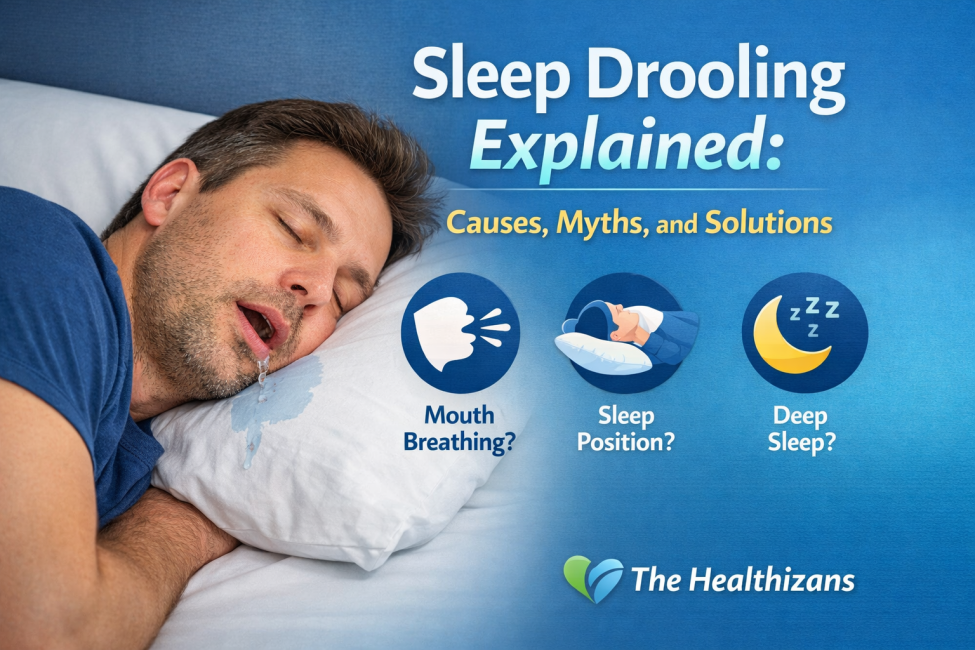
Sleep drooling, sometimes referred to as nocturnal drooling, occurs when saliva escapes from the mouth during sleep instead of being swallowed. This usually happens because swallowing reflexes slow down and jaw muscles relax while we sleep.
It can affect both children and adults and is often linked to breathing patterns, sleep position, or sleep depth rather than disease.
Why Does Drooling Happen During Sleep?
Sleep drooling usually isn’t caused by a single factor. Instead, it happens due to a combination of breathing patterns, sleep posture, muscle relaxation, and saliva production during the night. Understanding these factors helps explain why drooling may occur occasionally for some people and more frequently for others.
Below are the most common reasons drooling happens during sleep.
1️⃣ Mouth Breathing at Night
One of the most common reasons for sleep drooling is mouth breathing. When the nose is blocked — due to colds, allergies, sinus congestion, or structural nasal issues — breathing shifts to the mouth. An open mouth makes it easier for saliva to leak out rather than being directed back for swallowing.
2️⃣ Sleeping Position and Gravity
How you sleep plays a surprisingly large role. When lying on your side or stomach, gravity allows saliva to pool and escape more easily. By contrast, sleeping on your back tends to direct saliva towards the throat, reducing outward flow.
3️⃣ Deep and Restorative Sleep
During deeper stages of sleep, the body relaxes fully. Jaw muscles loosen, and the automatic swallowing reflex slows down. This means saliva may build up temporarily and spill out. In this context, drooling can actually be a sign of very deep, restorative sleep.
4️⃣ Increased Saliva Production
Some people naturally produce more saliva than others. In addition, saliva production may increase due to factors such as acid reflux, dental irritation, pregnancy, or certain medications. When saliva production exceeds the slowed swallowing capacity of sleep, drooling becomes more likely.
5️⃣ Snoring and Sleep-Related Breathing Issues
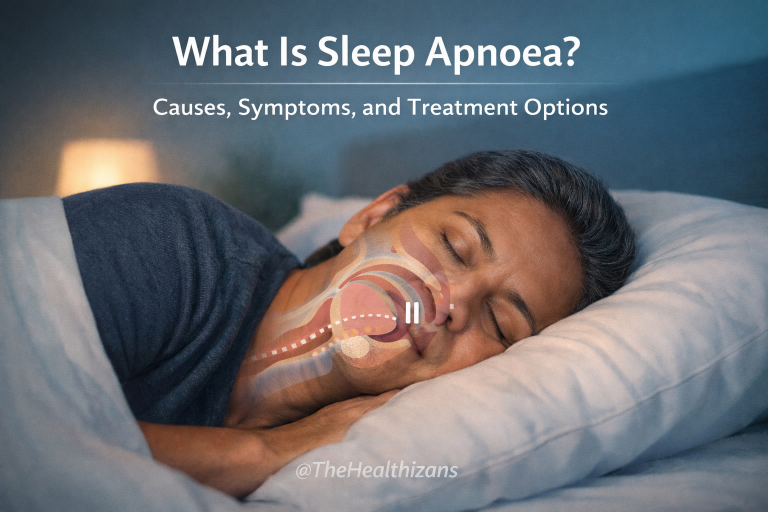
Snoring and disrupted breathing can encourage mouth breathing and jaw relaxation. If sleep drooling occurs alongside loud snoring, frequent waking, or persistent daytime tiredness, it may be worth exploring overall sleep quality. You may also find it helpful to read our article on why you can still feel tired after a full night’s sleep, which explores sleep disruption in more detail.
Common Myths About Sleep Drooling
Many people believe drooling automatically signals a serious medical problem. In reality, it is usually benign. Others assume it only affects children, when adults experience it frequently — particularly as muscle tone naturally changes with age. Another common myth is that the fluid is vomit or mucus; in most cases, it is simply saliva.
When Is Sleep Drooling a Concern?
Occasional drooling is normal. However, medical advice should be sought if drooling is persistent and accompanied by symptoms such as difficulty swallowing, slurred speech, sudden facial weakness, or drooling that continues during the day. These features are not typical of simple sleep drooling and may require further assessment.
Practical Ways to Reduce Drooling While Sleeping
For many people, simple lifestyle adjustments can make a noticeable difference. Improving nasal airflow before bed, staying well hydrated, and avoiding heavy meals or alcohol late at night can help. Adjusting sleep position or slightly elevating the head may reduce saliva pooling, particularly if reflux is a contributing factor.
If drooling begins suddenly after starting a new medication, reviewing this with a healthcare professional is also sensible.
The Bottom Line
Sleep drooling is common, usually harmless, and often linked to mouth breathing, sleep position, or deep sleep. Understanding the underlying cause helps reduce anxiety and guides practical solutions. In most cases, reassurance and small adjustments are all that’s needed.
💬 What’s Your Take?
Have you noticed drooling more when you’re congested, overtired, or sleeping on your side? Sharing experiences helps normalise these everyday sleep issues and supports better sleep awareness for everyone.
📚 Sources
- NHS – Saliva, swallowing, and oral health
- Sleep Foundation – Mouth breathing and sleep quality
- Cleveland Clinic – Sialorrhea (excess saliva)
- Mayo Clinic – Acid reflux and night-time symptoms
About the Author