Hepatitis is often misunderstood — not just in how serious it can be, but in how it actually spreads. This confusion fuels unnecessary fear in some situations, while at the same time causing people to underestimate real risks in others.
Understanding how hepatitis spreads is essential for protecting yourself, reducing stigma, and knowing when testing or vaccination may be needed.
What Determines How Hepatitis Spreads?
Not all hepatitis viruses behave the same way. Each type spreads through specific routes, depending on how the virus survives outside the body and enters the bloodstream or digestive system.
This is why clear, accurate information matters far more than assumptions.
The Main Ways Hepatitis Spreads
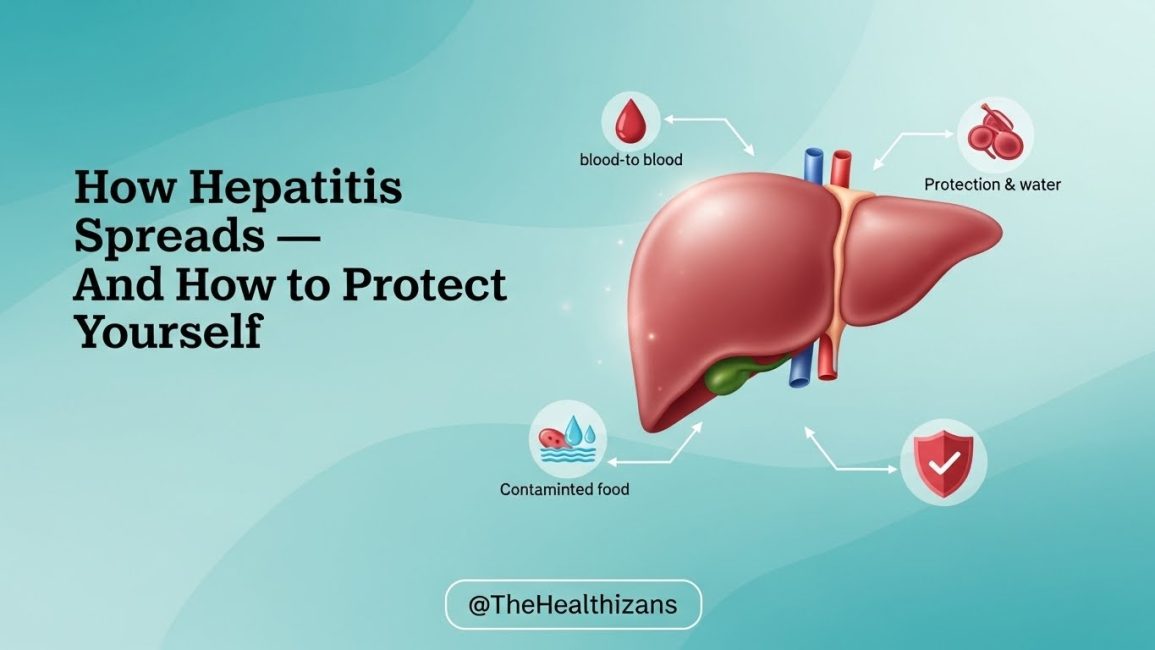
1. Contaminated Food and Water
(Hepatitis A and E)
Hepatitis A and E are usually spread when food or water is contaminated with infected stool. This can happen through:
- Poor hand hygiene
- Unsafe drinking water
- Inadequately cooked food
- Travel to areas with limited sanitation
These forms are not linked to chronic liver disease, but they can still cause significant illness, especially in adults.
👉 We explain the different hepatitis types in What Is Hepatitis? Types, Causes, and Why It Matters.
2. Blood-to-Blood Contact
(Hepatitis B, C, and D)
This is one of the most common — and least understood — transmission routes.
Hepatitis can spread through:
- Sharing needles or syringes
- Unsterile medical or dental equipment
- Tattooing or piercing with unclean tools
- Sharing razors or toothbrushes
Even small, invisible amounts of blood can carry the virus.
3. Sexual Contact
(Mainly Hepatitis B)
Hepatitis B can be transmitted through unprotected sex due to exposure to infected bodily fluids.
The risk increases with:
- Multiple sexual partners
- Lack of condom use
- Existing sexually transmitted infections
Hepatitis C is far less commonly spread sexually, but risk is not zero.
4. Mother-to-Baby Transmission
(Hepatitis B and sometimes C)
Hepatitis can pass from mother to baby during childbirth.
The good news is that screening during pregnancy and early vaccination can dramatically reduce this risk.
This is covered in more detail in our upcoming article on hepatitis in pregnancy.
What Does Not Spread Hepatitis ❌
One of the biggest drivers of stigma is misinformation. Hepatitis does not spread through:
- Hugging or holding hands
- Sharing plates or cutlery
- Coughing or sneezing
- Casual social contact
Clearing up these myths protects both physical and mental health.
👉 We explore this further in Hepatitis Myths That Still Cause Fear and Stigma.
How to Protect Yourself From Hepatitis
1. Vaccination
- Vaccines are available for Hepatitis A and B
- Especially important for travellers, healthcare workers, and unvaccinated adults
- Childhood vaccination programmes have dramatically reduced infection rates
2. Safe Sex Practices
- Use condoms consistently
- Get tested if you or your partner may be at risk
- Know your vaccination status for Hepatitis B
3. Avoid Blood Exposure
- Never share needles or personal items that may contain blood
- Ensure tattoo and piercing studios follow strict hygiene standards
- Seek medical care from regulated providers
4. Practice Good Hygiene
- Wash hands thoroughly before eating
- Drink safe, clean water
- Be cautious with food hygiene when travelling
5. Get Tested When in Doubt
Many people with hepatitis feel completely well. A simple blood test can detect infection early — often before any symptoms appear.
👉 This is especially important if you’ve noticed any of the early signs of hepatitis we covered in our previous article.
Final Thoughts: Knowledge Is Protection
Hepatitis doesn’t spread randomly — it follows clear, preventable routes. Understanding those routes empowers you to protect yourself, make informed decisions, and avoid unnecessary fear.
Accurate information doesn’t just prevent infection. It also helps dismantle stigma and encourages early testing — where real health protection begins.
What’s Your Take? 💬
Were you surprised by how hepatitis actually spreads?
Which myth had you heard before reading this?
Share your thoughts — your comment could help someone else feel safer and better informed.
📚 Sources
- World Health Organization (WHO) — Hepatitis: Transmission and Prevention
- NHS (UK) — Hepatitis Overview and Prevention
- Centers for Disease Control and Prevention (CDC) — Viral Hepatitis Transmission
- British Liver Trust — How Hepatitis Is Spread
About the Author