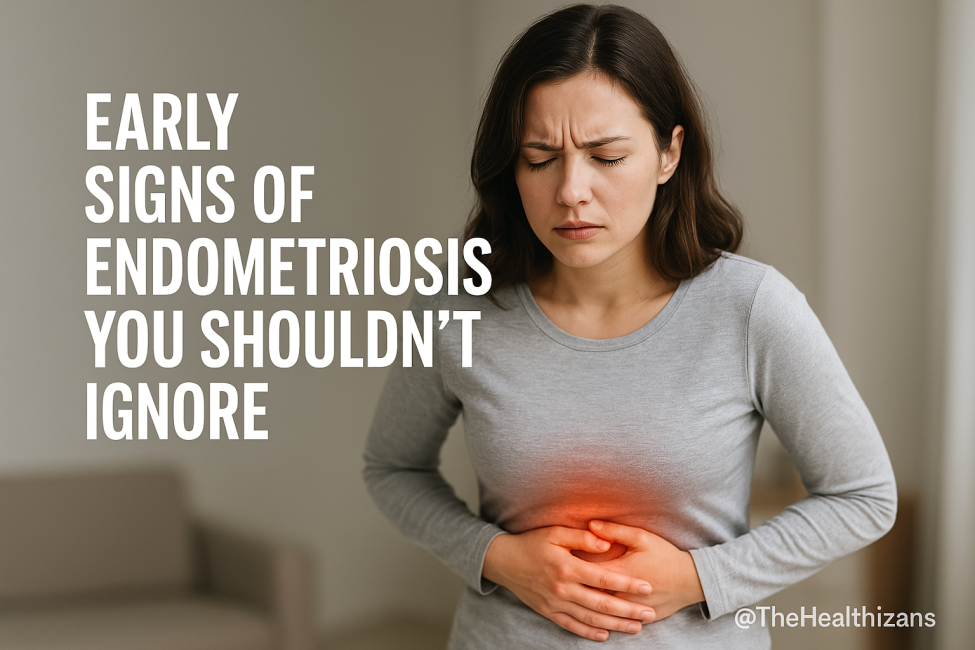
Endometriosis is a condition where tissue similar to the lining of the uterus grows outside it — often around the ovaries, fallopian tubes, bowel or pelvis. Despite being one of the most common gynaecological conditions worldwide, endometriosis is still widely misunderstood and frequently misdiagnosed. Many women spend years searching for answers because the early signs of endometriosis are subtle, inconsistent, or mistaken for “normal period pain.”
But early recognition matters. Endometriosis can affect fertility, pelvic health, energy levels and everyday quality of life. Understanding the early signs helps people seek support sooner and avoid years of unnecessary suffering.
Why Endometriosis Is Often Missed Early
The early symptoms vary from person to person. Some have severe pain early on; others have almost no pain but struggle later with fertility. Cultural norms that downplay menstrual pain also make it harder for women to get taken seriously when they report symptoms.
The NHS notes that it often takes 7–10 years for people to receive a diagnosis — not because symptoms are invisible, but because they are frequently normalised or misunderstood.
The Early Signs You Shouldn’t Ignore
1. Period Pain That Disrupts Daily Life
Mild discomfort during periods is common — but pain that interferes with school, work, sleep or daily tasks is not. Cramping that feels sharp, deep, or radiates into the back or legs can be an early sign of endometriosis.
2. Pain During or After Sexual Intercourse
Pelvic pain during sex, especially deep penetration, is one of the earliest and most consistent signs. Many people feel embarrassed to mention it, but this symptom is medically important.
3. Painful Bowel Movements or Urination
Endometriosis around the bowel or bladder can cause discomfort when using the toilet — especially during periods. Some experience bloating that feels like “endo belly,” which comes on quickly and can be severe.
4. Heavy or Irregular Periods
Early endometriosis can cause prolonged bleeding, clotting, or cycles that change in length. Bleeding that soaks through pads or tampons rapidly is another red flag.
5. Chronic Fatigue
Because endometriosis causes inflammation and hormone disruption, fatigue can appear long before the condition is diagnosed. Many describe it as exhaustion that doesn’t improve with rest.
6. Difficulty Getting Pregnant
Some people only discover they have endometriosis after experiencing delays in conception. Even mild endometriosis can affect ovulation, tubal health, or inflammation in the pelvis.
7. Pelvic Pain Outside of Periods
Ongoing pelvic discomfort throughout the month — especially around ovulation — is often overlooked as unrelated, but can be an early sign of endometriosis.
What Causes Endometriosis?
The exact cause is still uncertain, but research suggests several contributing factors:
- retrograde menstruation
- immune system changes
- genetic predisposition
- hormonal influences
- inflammatory responses
The condition is not caused by anything a woman has done — and it is not “in her head,” despite historically being dismissed that way.
Why Early Recognition Matters
Left untreated, endometriosis can:
- worsen chronic pelvic pain
- increase inflammation
- affect fertility
- impact bowel and bladder health
- reduce quality of life
- contribute to depression or anxiety due to persistent pain
Early evaluation allows for management strategies that reduce pain, slow progression and support reproductive health.
If you found our article on Early Signs of Poor Circulation useful, you may also appreciate how systemic inflammation and pain patterns overlap with endometriosis symptoms — another example of the body signalling when something isn’t right.
How Endometriosis Is Diagnosed
Diagnosis usually involves:
- pelvic examination
- ultrasound
- MRI (in some cases)
- laparoscopy (the only definitive diagnostic method)
Because symptoms vary widely, a specialist assessment is often helpful.
Treatment Options
Treatment depends on symptom severity and reproductive goals:
- hormonal therapies (pill, IUS, GnRH analogues)
- pain management
- physiotherapy for pelvic floor dysfunction
- lifestyle adjustments to reduce inflammation
- surgical treatment (laparoscopic excision)
Support groups and psychological support also play a vital role for many people living with chronic pain.
The Bottom Line
The early signs of endometriosis are often minimised or misunderstood, but they’re not something anyone should “push through.” Pain that disrupts daily life, discomfort during sex, heavy periods, bowel or bladder pain, or unexplained fatigue deserve proper attention. Listening to these signs early can prevent years of silent suffering and lead to more effective care.
If something about your cycle or pelvic health feels persistently “not right,” it is worth getting reviewed — your pain is real, and your health matters.
Sources
- NHS — Endometriosis
- World Health Organization — Endometriosis Fact Sheet
- American College of Obstetricians and Gynecologists (ACOG) — Endometriosis
- Endometriosis UK — Symptoms & Diagnosis
About the Author