High cholesterol is often described as a silent threat — quietly shaping your future heart health long before symptoms appear. But here’s the encouraging truth: lowering cholesterol naturally is not only possible for most people, it’s also one of the strongest long-term strategies for protecting your heart and arteries.
While medication like statins is essential for some, lifestyle changes remain the first recommendation from doctors worldwide. And whether you live in Lagos, London, Mumbai or Melbourne, the principles are the same: what you eat, how you move, and how you manage stress can shift your cholesterol numbers more than you might expect.
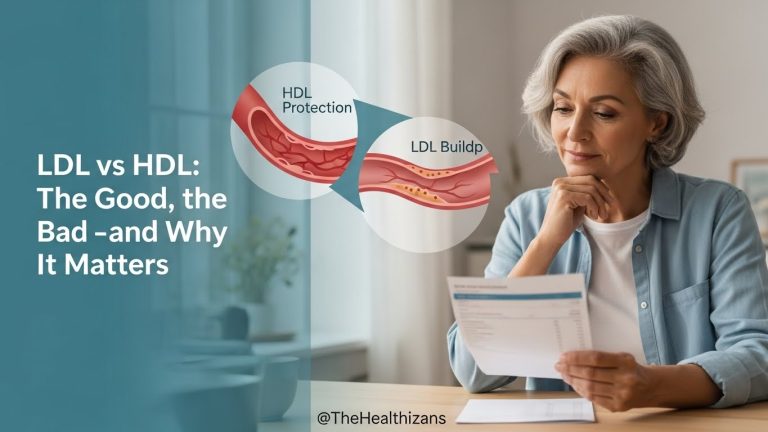
Before we begin, you may want to read our related article on How Cholesterol Affects Your Heart and Arteries, which explains how plaque forms and why these lifestyle steps matter.
Food First — Because It Has the Biggest Impact
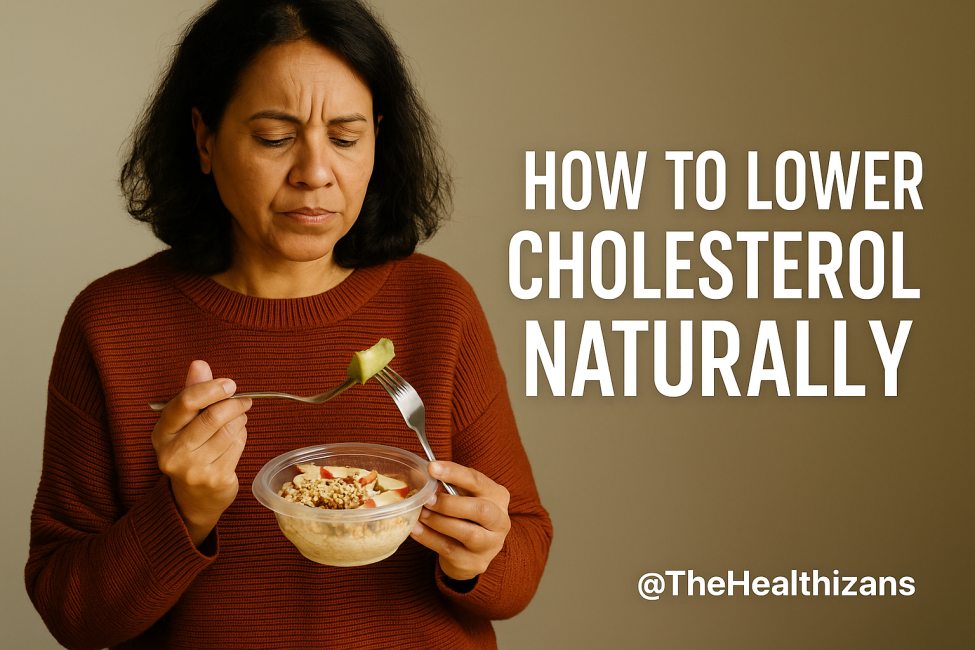
When it comes to how to lower cholesterol naturally, food is your greatest ally. Small, consistent shifts in your daily meals can make measurable improvements.
One of the most powerful tools you have is soluble fibre. Foods such as oats, lentils, beans, apples, okra and eggplant help your digestive system bind and flush out excess cholesterol — acting almost like a natural “filter.” People who add just one or two servings of these foods a day often see reductions in LDL over a few weeks.
Replacing unhealthy fats with healthier options makes an even bigger difference. Swapping butter or palm oil for olive oil, avocado, nuts, seeds or fatty fish helps raise HDL (your “good” cholesterol) while lowering LDL. These are the kinds of fats that support your brain, hormones and heart — without contributing to plaque build-up.
At the same time, reducing your intake of trans fats and saturated fats is essential. These fats, common in fried foods, packaged snacks and fatty meats, are strongly linked to rising LDL levels. Even a moderate reduction can deliver meaningful improvements over time.
Movement Matters — And Consistency Wins
Exercise does more than strengthen your heart — it directly improves your cholesterol profile. Regular movement boosts HDL, helps your body process fats more efficiently and reduces inflammation.
The good news is that you don’t need intense workouts. A simple routine — such as walking briskly for 30 minutes five days a week — is enough to create measurable change. Dancing, home workouts, cycling, swimming or joining a community fitness group can all make the journey more enjoyable and sustainable.
Smoking and Alcohol — Two Quiet Saboteurs
Quitting smoking is one of the most effective ways to raise HDL and reduce damage inside your blood vessels. Even a few weeks after stopping, positive changes begin.
Alcohol can also influence cholesterol levels. While small amounts may be fine for some people, excess drinking increases triglycerides and adds to plaque formation. The safest guideline remains: moderation or none at all.
Stress — The Hidden Contributor
Chronic stress raises cortisol, a hormone that can interfere with how your body processes fats. Over time, it may contribute to higher LDL and lower HDL.
Building simple stress-relief habits into your day — such as deep breathing, taking walks, connecting with friends, journaling or spending time outdoors — can influence your cholesterol more calmly and powerfully than many people realise.
Does This Actually Work?
Yes — and the evidence is global.
Large studies consistently show that lowering cholesterol naturally through diet and lifestyle can reduce LDL by 10–30%. A clinical trial in India recorded a 27% drop in LDL using plant-focused meals, daily walking and yoga. In Brazil, a community walking and home-cooking programme significantly improved HDL levels among adults of all ages.
And beyond the numbers, these habits protect your heart, your brain, your kidneys and your long-term quality of life.
When Lifestyle Alone Isn’t Enough
Some people — especially those with genetic conditions like familial hypercholesterolaemia — may still require medication. However, even in those cases, lifestyle changes help medication work better and reduce overall cardiovascular risk.
Final Thought
You don’t need to overhaul your entire lifestyle overnight. Start with one or two manageable steps: switch your cooking oil, add a bowl of oats in the morning, walk more often, or reduce fried snacks. These small actions build powerful momentum.
Lowering cholesterol naturally isn’t just possible — it’s transformative.
Stay informed. Live well. Together.
— @TheHealthizans
Sources
- World Health Organization. Cardiovascular Risk Reduction Through Lifestyle.
- Harvard Health Publishing. 9 Ways to Lower Cholesterol Naturally.
- National Heart, Lung, and Blood Institute (NHLBI). Managing Cholesterol.
- Journal of Preventive Cardiology (2022). Community-Based Lifestyle Interventions Across Continents.
About the Author