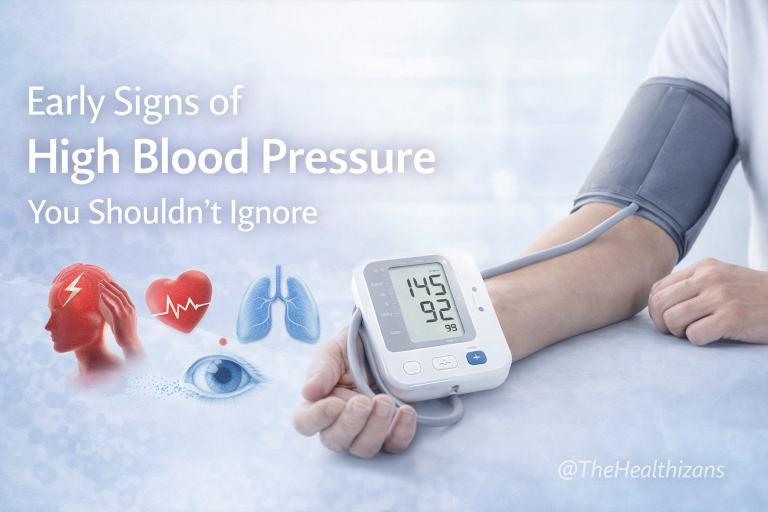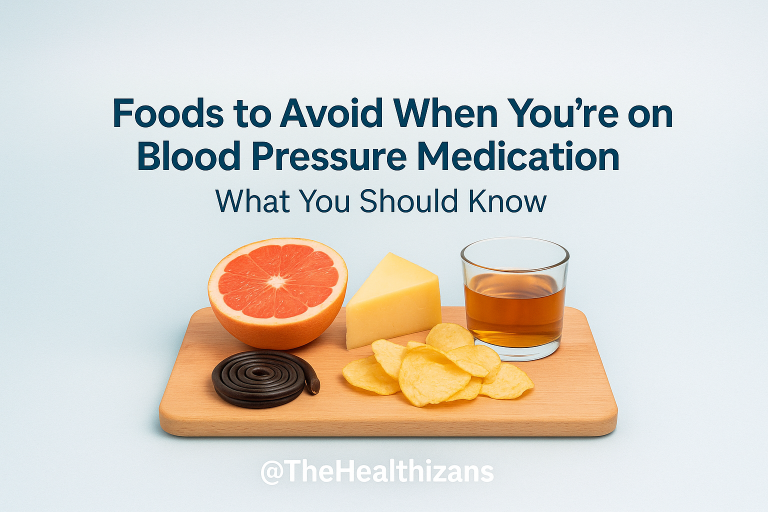
High blood pressure affects millions of people, often without obvious symptoms — which is why it’s called the “silent killer.” While medications are essential for many, your daily food choices also play a major role in keeping your numbers stable.
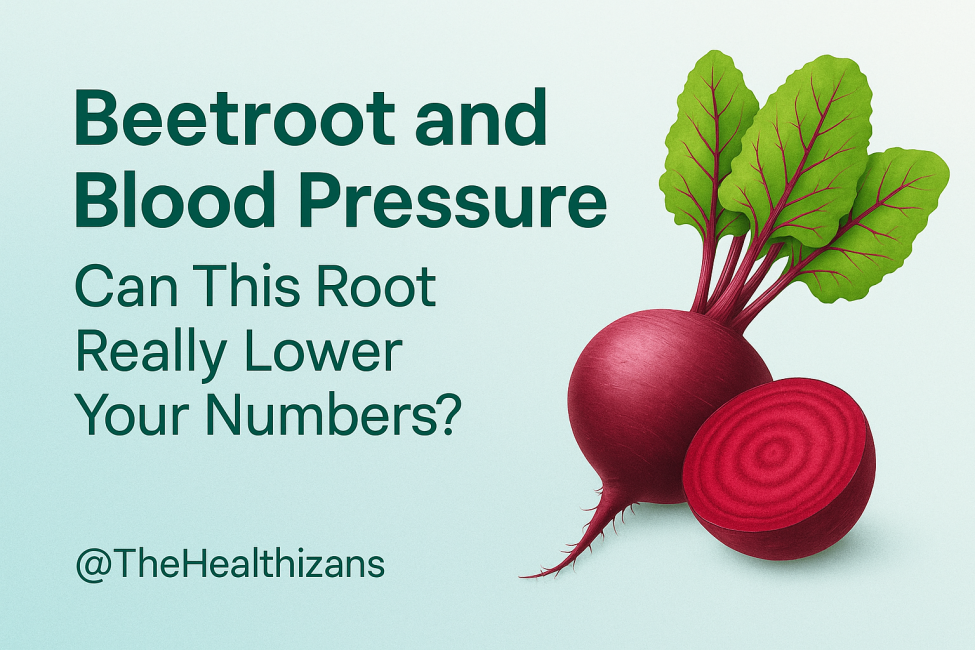
One natural food that has gained serious scientific attention is beetroot. Its vibrant colour hints at what’s inside: powerful plant compounds that can help relax blood vessels, lower blood pressure, and support overall cardiovascular health.
So, can eating beetroot or drinking beetroot juice really lower your blood pressure? Let’s break down what the research says.
1. Why Beetroot Helps Lower Blood Pressure
Beetroot is naturally rich in dietary nitrates — compounds your body converts into nitric oxide. Nitric oxide relaxes and widens blood vessels, improving blood flow and reducing pressure against artery walls.
This process is similar to how some blood pressure medicines work, which is why researchers are so interested in beetroot’s therapeutic potential.
Studies from the British Heart Foundation and Hypertension Journal show that people who consume beetroot juice experience measurable reductions in systolic and diastolic blood pressure within hours.
2. Beetroot Juice vs. Whole Beetroot — Which Works Better?
Both provide benefits, but beetroot juice delivers a concentrated dose of nitrates, making it especially effective for lowering blood pressure quickly.
However, whole beetroot offers:
- fibre for digestion
- antioxidants for inflammation
- a slower, steadier nitrate release
If you’re aiming for heart health, both options fit well — it simply depends on what you prefer drinking or eating.
Also check out our article on Pomegranate Juice: Heart-Healthy Drink or Sugar Trap? — another natural heart-supportive food worth understanding.
3. What the Research Shows
Multiple studies support the use of beetroot for blood pressure:
- Drinking 250–500 ml of beetroot juice can reduce systolic BP by 4–10 mmHg.
- Effects can begin within 2–3 hours and last up to 24 hours.
- Consistent daily intake provides the best results.
These reductions may not replace medication, but they can enhance your treatment and reduce long-term cardiovascular risk.
4. Antioxidant Boost: More Than Just Nitrates
Beetroot contains betalains, potent antioxidants that fight inflammation and oxidative stress — two factors linked to high blood pressure and stiff blood vessels.
This makes beetroot a double win:
- improves blood flow
- reduces inflammation inside arteries
5. Is Beetroot Safe for Everyone?
For most people, beetroot is perfectly safe. However:
Be cautious if:
- You have kidney disease (beetroot is high in oxalates, which may contribute to kidney stones)
- You take medications affecting electrolytes
- You experience beeturia (pink urine) — harmless but surprising
If you’re already on blood pressure medication, beetroot is generally safe, but always inform your doctor about any supplements or major dietary changes.
6. How Much Beetroot Do You Need?
For noticeable blood pressure benefits:
- 1 glass of beetroot juice (250–300 ml) daily, OR
- 1–2 medium cooked beetroots
- Powdered beetroot supplements (follow product guidelines)
Combining beetroot with other heart-healthy habits — reduced salt, regular exercise, weight management — creates a powerful synergy.
Final Thoughts
Beetroot isn’t a miracle cure, but science is clear: it can make a meaningful difference. Its ability to boost nitric oxide and support healthy blood vessels makes it one of the most effective natural foods for lowering blood pressure.
Whether blended into smoothies, roasted with meals, or enjoyed as juice, adding beetroot to your daily routine can support your heart and complement your prescribed treatment.
What’s Your Take?
Do you drink beetroot juice or cook with beetroots regularly? Have you noticed any changes in your BP readings? Share your experience — your story may help someone else on their heart-health journey.
📚 Sources
- British Heart Foundation — Dietary Nitrates and Blood Pressure
- American Heart Association — Nitrates and Cardiovascular Health
- Hypertension Journal — Effects of Beetroot Juice on Blood Pressure
- Harvard T.H. Chan School of Public Health — Vegetables and Cardiovascular Health
- NHS — High Blood Pressure (Hypertension)
About the Author