Managing high blood pressure isn’t just about taking your medication — it’s also about making sure your daily habits support the treatment. One of the most overlooked factors is food interaction. Certain foods can interfere with how blood pressure medicines work, reduce their effectiveness, or even cause unwanted side effects.
This article breaks down the most important foods to avoid or limit when you’re on blood pressure medication, and why these interactions matter.
1. Grapefruit: The Biggest Red Flag
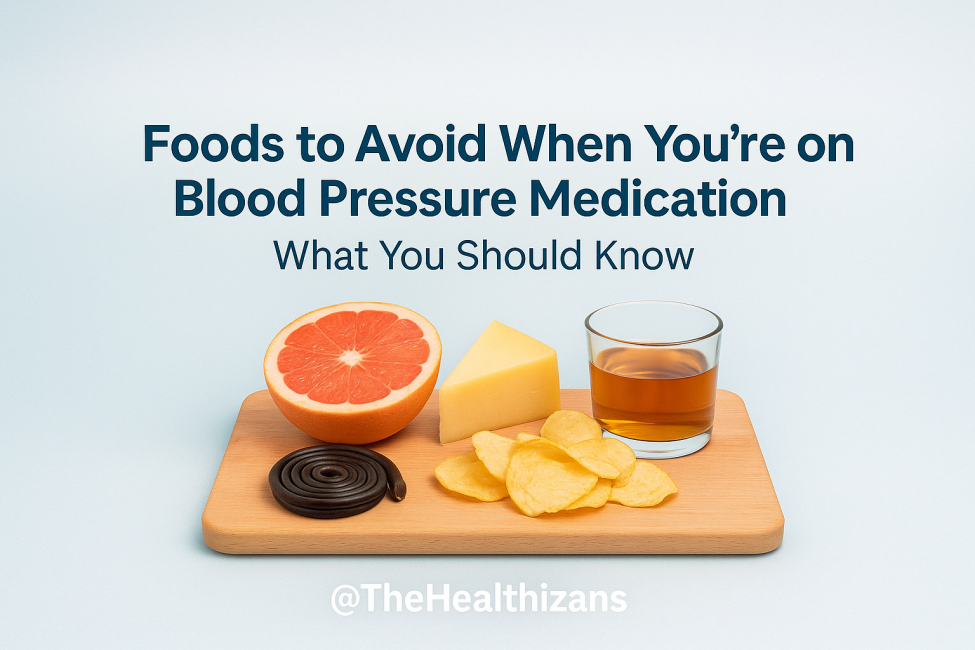
Grapefruit and grapefruit juice may look innocent, but they can interact strongly with certain blood pressure medicines — especially calcium-channel blockers such as amlodipine, nifedipine, and felodipine.
Grapefruit blocks enzymes in the liver responsible for breaking down these drugs. When this happens, the medication levels in your bloodstream can rise too high, increasing the risk of dizziness, swelling, headaches, and irregular heartbeat.
Avoid grapefruit completely unless your doctor confirms it’s safe for your specific medication.
2. High-Salt Foods That Fight Against Your Medication
Too much salt can undo the work your medication is trying to do. Even if you take your tablets every day, a high-salt diet will push your blood pressure back up.
Common high-salt foods to watch include:
- Fast foods and takeaway meals
- Instant noodles and packet soups
- Processed meats (sausages, bacon, ham)
- Salted snacks like crisps
- Canned foods with added sodium
- Stock cubes and seasoning powders
Choosing low-salt alternatives and cooking more meals at home can dramatically improve blood pressure control — often as effectively as increasing medication.
Also check out our article on Carbohydrate Health Benefits: Why Cutting Carbs Isn’t Always the Answer — another reminder that smart food choices can work hand-in-hand with medication.
3. Liquorice: Surprisingly Risky
Real liquorice — not the artificial flavouring — contains glycyrrhizin, a compound that:
- Raises blood pressure
- Lowers potassium levels
- Cancels out the effects of some blood pressure medications
Liquorice teas, sweets, or herbal supplements should be avoided unless labelled “deglycyrrhizinated.”
4. Potassium-Rich Foods: Healthy, but Not Always in Large Amounts
If you take ACE inhibitors (ramipril, lisinopril) or ARBs (losartan, valsartan), your medication may increase potassium levels. While potassium is essential for heart health, too much can cause heart rhythm problems.
You don’t need to avoid these foods — just be mindful of excess:
- Bananas
- Avocados
- Oranges and orange juice
- Spinach
- Potatoes
- Coconut water
- Beans and lentils
A balanced intake is key. Your GP may occasionally check your potassium through a simple blood test.
5. Alcohol: Moderation Really Matters
Alcohol can raise blood pressure, weaken your medication’s effect, and increase dizziness — especially when taken close to your dose.
General guidance:
- Women: no more than 1 drink per day
- Men: no more than 2 drinks per day
- Avoid binge drinking completely
If you’re taking beta-blockers, alcohol can intensify drowsiness and impair coordination.
6. Caffeine: Not Off-Limits, but Be Strategic
For many people, coffee is part of daily life — and that’s okay. But caffeine can temporarily increase blood pressure, especially if you:
- Rarely drink it
- Drink it on an empty stomach
- Take it close to your medication dose
Moderation is fine for most people — aim for 1–2 cups per day and avoid caffeine before bedtime.
7. Tyramine-Rich Foods (Very Rare Cases)
If someone is taking older medicines like MAO inhibitors, tyramine-rich foods can cause dangerous spikes in blood pressure. These medicines are less commonly used today, but the foods include:
- Aged cheeses
- Cured meats
- Fermented foods
- Soy products
- Red wine
Most people on modern blood pressure medications don’t need to avoid these — but it’s worth knowing for those on older treatments.
Final Thoughts
Blood pressure medications work best when your lifestyle supports them — and that includes knowing which foods may interfere with their effectiveness. The goal isn’t restriction, but awareness and balance.
Simple adjustments can help your medication work smoothly, reduce side effects, and give you better long-term control of your blood pressure.
What’s Your Take?
Do you already avoid some of these foods? Have you noticed any major differences in your blood pressure when you eat salty meals or drink caffeine? Share your experience — your story could help someone else stay on track.
📚 Sources
- NHS — Blood Pressure Medicines Overview
- British Heart Foundation — Salt and Your Blood Pressure
- U.S. Food & Drug Administration (FDA) — Grapefruit Juice and Medicine Interactions
- American Heart Association — Potassium and Heart Health
- Mayo Clinic — Drug and Food Interactions
About the Author