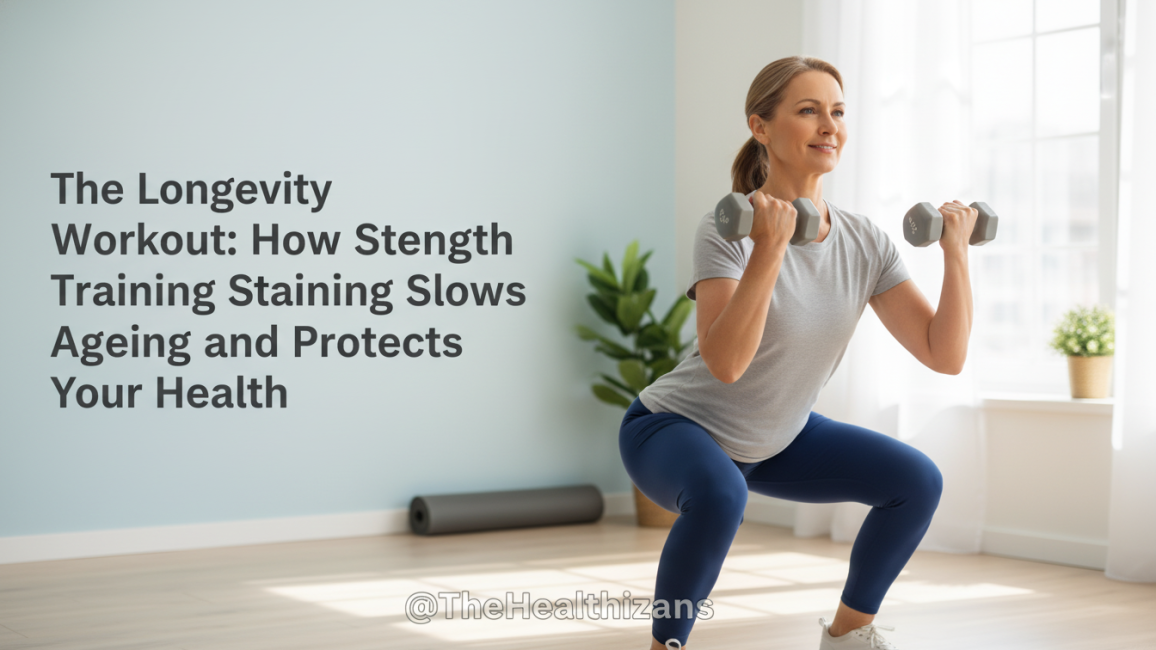
Ageing is often described as something that “just happens,” but science increasingly shows that how we age is shaped by the choices we make daily. One of the most powerful — and often overlooked — tools for healthy ageing is strength training. Far from being reserved for athletes or gym-goers, strength training is a simple yet transformative habit that almost everyone can benefit from, particularly as we move into our 30s, 40s, 50s and beyond.
In fact, research now suggests that strength training slows ageing more effectively than many other forms of exercise. It supports not only how long we live, but also how well we live.
Why Muscle Loss Happens as We Age
Human bodies naturally begin losing muscle mass and strength as early as our mid-30s. This slow but steady decline — often referred to as sarcopenia — accelerates with inactivity, stress, poor diet and certain health conditions. The result is something many people notice but rarely name: reduced energy, slower movement, stiffness, weakness, joint discomfort and difficulty performing familiar tasks.
Muscle loss doesn’t just affect how we move. It affects almost every system in the body. The less muscle we have, the harder the heart works, the less stable our bones become, and the less efficiently our bodies regulate blood sugar. This is why many people begin to feel “older” long before they expect to.
The good news? Strength training directly targets the systems that decline with age — and helps rebuild them.
How Strength Training Slows Ageing
Strength training is unique because it improves the body at a cellular, metabolic and structural level. Here’s what the evidence consistently shows:
1. It protects your muscles — your body’s engine
Muscles are involved in everything from walking and lifting to balancing and maintaining posture. When we train them regularly, they become stronger, more efficient and more resilient. This helps prevent falls, improves mobility and supports independence in later life.
2. It protects your bones and joints
Strength training signals the body to build stronger bones, which reduces the risk of fractures and osteoporosis. It also stabilises joints by strengthening the muscles around them, supporting better alignment and reducing pain.
3. It supports metabolic health
Muscle tissue plays a major role in glucose regulation. When you build and maintain muscle, your body handles blood sugar more effectively — reducing the risk of insulin resistance and type 2 diabetes.
If you’re exploring metabolic or heart health, also check out our article on how blood pressure, cholesterol and heart health are connected, which offers a broader look at how lifestyle choices influence long-term wellbeing:
https://www.healthizans.com/how-are-blood-pressure-cholesterol-and-heart-health-connected/
4. It strengthens the heart
Contrary to the idea that strength training is “just for muscles,” it also supports cardiovascular health. Stronger muscles reduce the workload on the heart, improve circulation and contribute to lower blood pressure over time.
5. It boosts energy, mood and cognitive function
Studies show that strength training helps improve sleep quality, balance hormones, support brain function and reduce the risk of anxiety and depression. Many people report feeling more alert, more grounded and more energised after just a few weeks.
How Much Strength Training Do You Actually Need?
The good news is that improving strength does not require hours in a gym. Global guidelines recommend two or more strength-focused sessions per week. This could include:
- Bodyweight exercises
- Resistance bands
- Dumbbells or kettlebells
- Functional movements such as lifting, carrying or stepping
What matters most is consistency and progression — gradually increasing resistance or repetitions over time.
For adults over 40, beginners, or those with joint discomfort, low-impact approaches such as resistance bands and controlled bodyweight movements are excellent places to start.
If you’re also trying to build a sustainable fitness routine, our guide to daily movement habits that support health all year round can provide helpful inspiration.
Pairing Strength Training With Everyday Habits
Strength training works best when supported by a balanced approach to health. Key habits include:
- Adequate protein intake
- Good sleep patterns
- Daily movement to prevent stiffness
- Stretching or mobility routines
The combination of strength, good nutrition and restorative habits is often more influential than any single factor.
Why It’s Never Too Late to Begin
One of the most encouraging insights from research is that the body responds to strength training at any age — even for individuals in their 70s, 80s or beyond. People who start later in life still gain measurable improvements in muscle strength, balance, bone density and overall vitality.
Strength training is not about lifting heavy weights or striving for a particular appearance. It’s about future-proofing your body so you can move with confidence, remain independent and enjoy a better quality of life.
The Bottom Line
We cannot stop time, but we can influence how well we age. By building and maintaining muscle, we give ourselves one of the strongest protective tools available. Strength training slows ageing, enhances longevity and supports nearly every aspect of health — from heart and metabolic function to mobility, mood and independence.
In many ways, it is one of the most powerful investments you can make in your future self.
What’s Your Take?
Have you tried adding strength exercises to your weekly routine? If so, what changes have you noticed? Share your thoughts — your experience could inspire someone else to start their own longevity workout.
Sources
- Mayo Clinic Press — The Many Benefits of Resistance Training as You Age
- TIME Magazine — Why Strength Training Is Essential for Healthy Aging
- King’s College London — Why Do We Lose Muscle Mass as We Age?
- Healthspan Research — Combating Sarcopenia with Exercise and Protein
- National Institute on Aging — Strength Training for Older Adults
- World Health Organization — Physical Activity Guidelines
About the Author