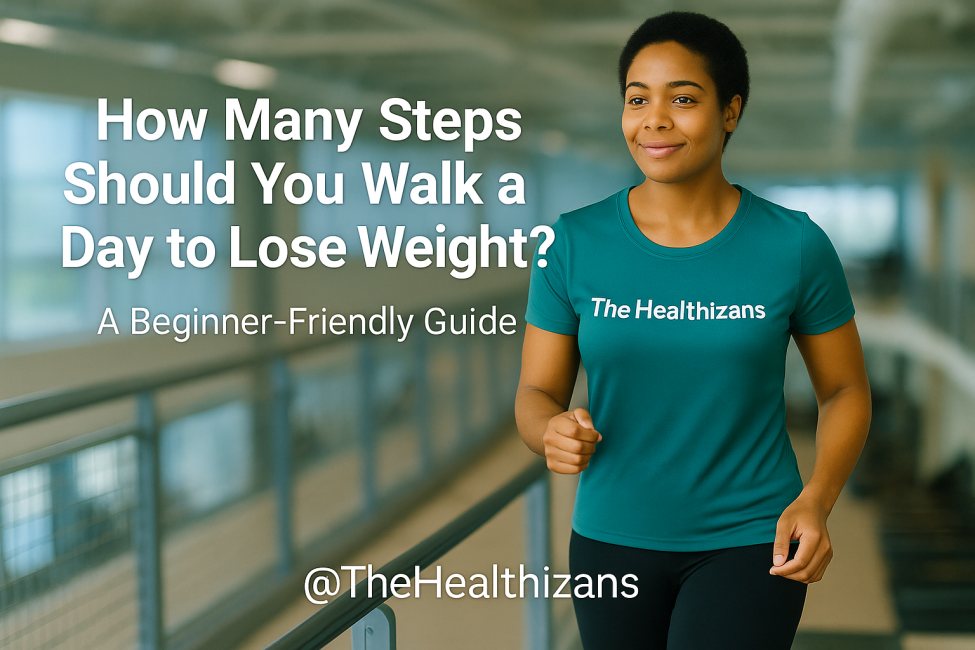
Walking is one of the simplest, safest and most sustainable ways to support weight loss — yet there is still a lot of confusion about how many steps you actually need. Some people say 10,000 steps is the “magic number”; others insist that weight loss depends more on speed, intensity or diet.
The truth sits somewhere in the middle. Daily steps can make a powerful difference, but the right target for you depends on your starting point, lifestyle and current activity level. This guide breaks down what the science says in a simple, realistic way, so you can create a step routine that genuinely works.
Why Steps Matter for Weight Loss
Walking increases the amount of energy your body uses each day without putting pressure on your joints or raising your stress levels. It burns calories gently, supports your metabolism, reduces cravings, improves blood sugar regulation and lowers stress — all of which help with weight management.
Because walking is easy to maintain, it becomes a consistent habit. Consistency, not intensity, is what drives long-term results.
So… How Many Steps Do You Really Need?
Research across different populations shows that weight loss typically begins happening more reliably when you reach the 7,000 to 12,000 steps per day range. But each range has its own effect:
Under 5,000 steps/day
This is considered a low-activity lifestyle. Weight loss is unlikely unless you adjust your diet or add more movement.
7,000–8,000 steps/day
This is a realistic and achievable level for many beginners. It improves calorie burn, supports better energy levels and helps reduce body fat gradually, especially alongside better food choices.
10,000 steps/day
This number is popular for a reason — it’s a strong, consistent daily target that enhances weight loss for many people. It raises overall movement enough to create a steady calorie deficit.
12,000+ steps/day
Useful for people with very sedentary jobs, those who prefer walking over gym workouts, or those aiming for a more noticeable calorie burn without high-impact exercise.
These ranges are guides, not rules. What matters most is moving beyond your current baseline.
Start With Your Baseline — Then Build Up
If you currently walk 3,000 steps a day, aiming for 10,000 immediately will feel overwhelming. Instead, focus on small, steady progress.
A simple approach:
- Spend one week tracking your normal steps
- Add 1,000 extra steps per day the following week
- Repeat until you reach your goal range
This pace is gentle, achievable and much more sustainable than jumping straight into high numbers.
Does the Speed of Your Steps Matter?
Yes — but only slightly. Faster walking burns more calories, but you don’t need to power-walk to lose weight. A mixed approach often works best:
- a slow warm-up
- normal comfortable walking
- a few “faster bursts” for 20–30 seconds
- slowing down again
This creates a mini interval effect, which boosts calorie burn without feeling intense.
How Steps Fit Into Weight Loss Overall
Steps alone can support weight loss, but they work best when paired with:
- balanced meals
- enough sleep
- good hydration
- light strength training (for example, our beginner guide on Reps, Sets and Rest improves walking performance)
Walking handles your movement. Strength training helps shape your body and increase your resting metabolic rate. Together, they’re a powerful combination.
A Beginner-Friendly Walking Plan
Week 1: Find your baseline and add 1,000 steps
Week 2: Maintain your new level
Week 3: Add another 1,000
Week 4: Introduce 2–3 short fast-paced bursts during your walk
Small, steady changes lead to the biggest results — especially if you’re trying to lose weight sustainably.
Final Thoughts
The best number of steps for weight loss isn’t the number everyone else is doing — it’s the number you can keep doing consistently. Whether your goal is 7,000, 10,000 or 12,000 steps a day, what matters is that you’re moving more than before and supporting your body in a way that feels achievable.
Walking isn’t just about burning calories; it’s about building a lifestyle that supports your wellbeing every single day.
What’s Your Take?
How many steps are you currently getting each day?
Share below — we’ll help you build a simple step plan you can stick to.
Sources
- NHS – Physical Activity Guidelines for Adults
- Harvard Health – Walking for Health and Weight Loss
- WHO – Global Physical Activity Guidelines
- JAMA Network – Association of Daily Step Count With Mortality
About the Author