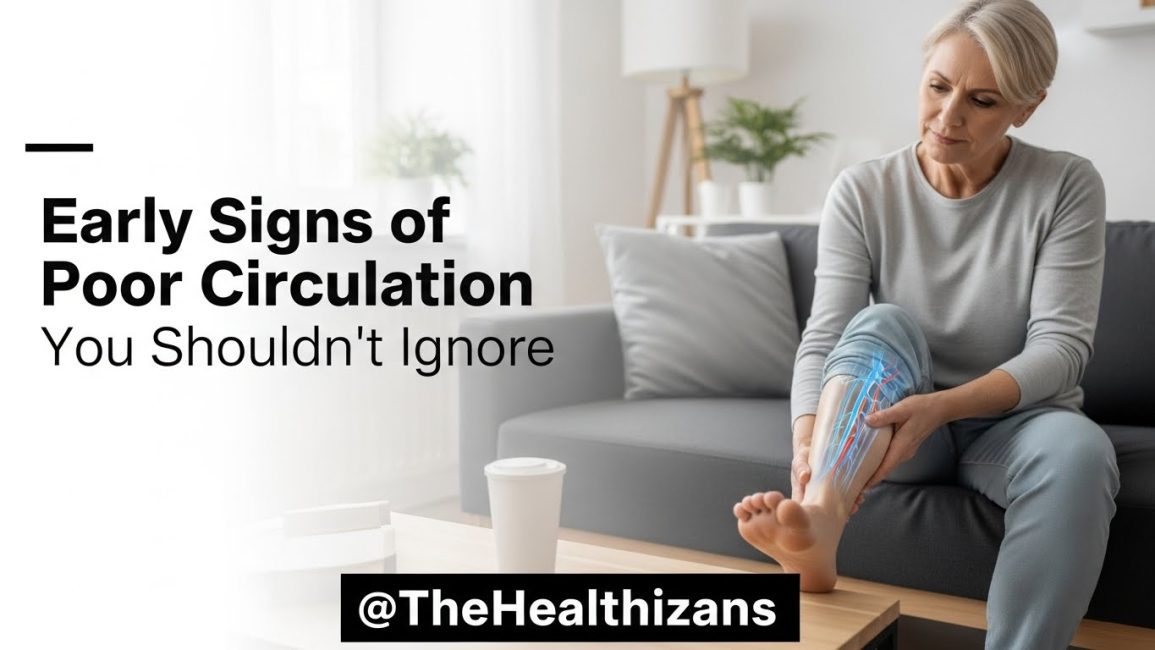
Poor circulation is more common than people realise — and it often develops slowly, with early signs that are easy to overlook. Your circulation carries oxygen and nutrients to every part of the body, so when blood flow becomes sluggish, the effects show up in the legs, feet, skin, energy levels and even wound healing.
Because poor circulation builds up gradually, many people attribute the early changes to ageing, cold weather or a long day at work. But recognising these early signs can prevent long-term complications, especially if they’re linked to conditions like peripheral artery disease (PAD), diabetes, high blood pressure or high cholesterol.
Understanding what poor circulation looks like — before symptoms worsen — gives you the best chance to protect your cardiovascular health.
Why Poor Circulation Is Often Missed
Unlike blood clots, which tend to appear suddenly, poor circulation is a chronic issue that worsens over time. Narrowed blood vessels, reduced heart function, and metabolic changes all influence how easily blood moves through the body.
People often ignore these changes until they affect mobility or cause discomfort. But early detection matters, especially because poor circulation increases the risk of ulcers, infections, nerve damage and even blood clots.
The Early Signs of Poor Circulation You Shouldn’t Ignore
1. Cold Feet or Hands — Even in Warm Weather
Persistent coldness is one of the earliest signs of poor blood flow. If your feet or hands remain cold while others are comfortable, circulation may be compromised.
2. Numbness, Tingling or “Pins and Needles”
Reduced blood flow affects nerve function. Tingling or numbness — particularly in the toes, feet or fingers — often appears before more noticeable symptoms.
3. Leg Pain When Walking (Claudication)
A cramping or aching sensation in the calves or thighs during walking that improves with rest is a classic sign of early PAD. It indicates that the muscles aren’t getting enough oxygen during activity.
4. Swollen Ankles or Feet
Fluid buildup can occur when circulation slows. This swelling may be subtle at first, becoming more visible in the evenings.
(This differs from the sudden one-sided swelling seen in blood clots.)
5. Pale, Bluish or Shiny Skin
Skin colour and texture can change when blood flow decreases. Some people notice their feet becoming pale, bluish, or unusually smooth and shiny.
6. Slow-Healing Cuts or Sores
If small wounds, especially on the feet or toes, take longer to heal, it may be because oxygen-rich blood isn’t reaching the skin effectively.
7. Varicose Veins or “Heavy Legs”
Bulging veins, a sense of heaviness, or legs that feel “full” or tired can appear early in poor circulation. These symptoms often worsen after standing for long periods.
8. Coldness in One Leg But Not the Other
This is an important sign of asymmetric circulation problems. When only one leg consistently feels colder, it can point toward localised artery narrowing.
9. Reduced Nail or Hair Growth on the Legs
Circulation affects how quickly hair and nails grow. Slowed growth can be an early sign that tissues aren’t receiving enough nutrients.
What Causes Poor Circulation?
Poor circulation is not a condition by itself — it is usually a symptom of an underlying health issue. Common causes include:
- peripheral artery disease (PAD)
- diabetes
- high cholesterol
- high blood pressure
- obesity
- smoking
- prolonged sitting or inactivity
- chronic venous insufficiency
- heart failure
Many of these causes overlap with cardiovascular health. If you’ve read our article on How Blood Pressure and Cholesterol Affect Your Heart Health, you’ll recognise the link between vessel health and circulation.
Why Early Recognition Matters
Poor circulation can lead to nerve damage, infections, ulcers, mobility limitations and increased risk of blood clots. Early treatment — including lifestyle changes and medical support — can slow progression and prevent complications.
The NHS recommends seeking medical advice if you notice:
- persistent numbness
- pain when walking
- cold or discoloured feet
- slow-healing sores
These signs shouldn’t be ignored.
How Poor Circulation Is Diagnosed
Healthcare professionals may use:
- physical examination and temperature comparison
- ankle–brachial pressure index (ABPI) test
- blood tests for cholesterol, glucose or inflammation
- Doppler ultrasound
- circulation or nerve studies
These help determine whether the issue is arterial, venous or metabolic.
How It’s Treated
Treatment depends on the underlying cause and may include:
- improving cardiovascular fitness
- stopping smoking
- managing diabetes or cholesterol
- reducing prolonged sitting
- compression therapy
- medications that improve blood flow
- physiotherapy for mobility and strength
Early changes — like daily walking, hydration, leg elevation and reducing sedentary time — can make a noticeable difference.
The Bottom Line
The early signs of poor circulation appear gradually but carry important meaning. Cold feet, numbness, leg pain or slow-healing wounds are signals the body uses to highlight poor blood flow. Acting early supports mobility, protects nerve and skin health, and reduces the risk of serious complications later.
Listening to these quiet signals can make all the difference.
Sources
- NHS — Peripheral Arterial Disease
- NHS — Poor Circulation Overview
- American Heart Association — Circulation Problems
- CDC — PAD and Circulation Disorders
About the Author